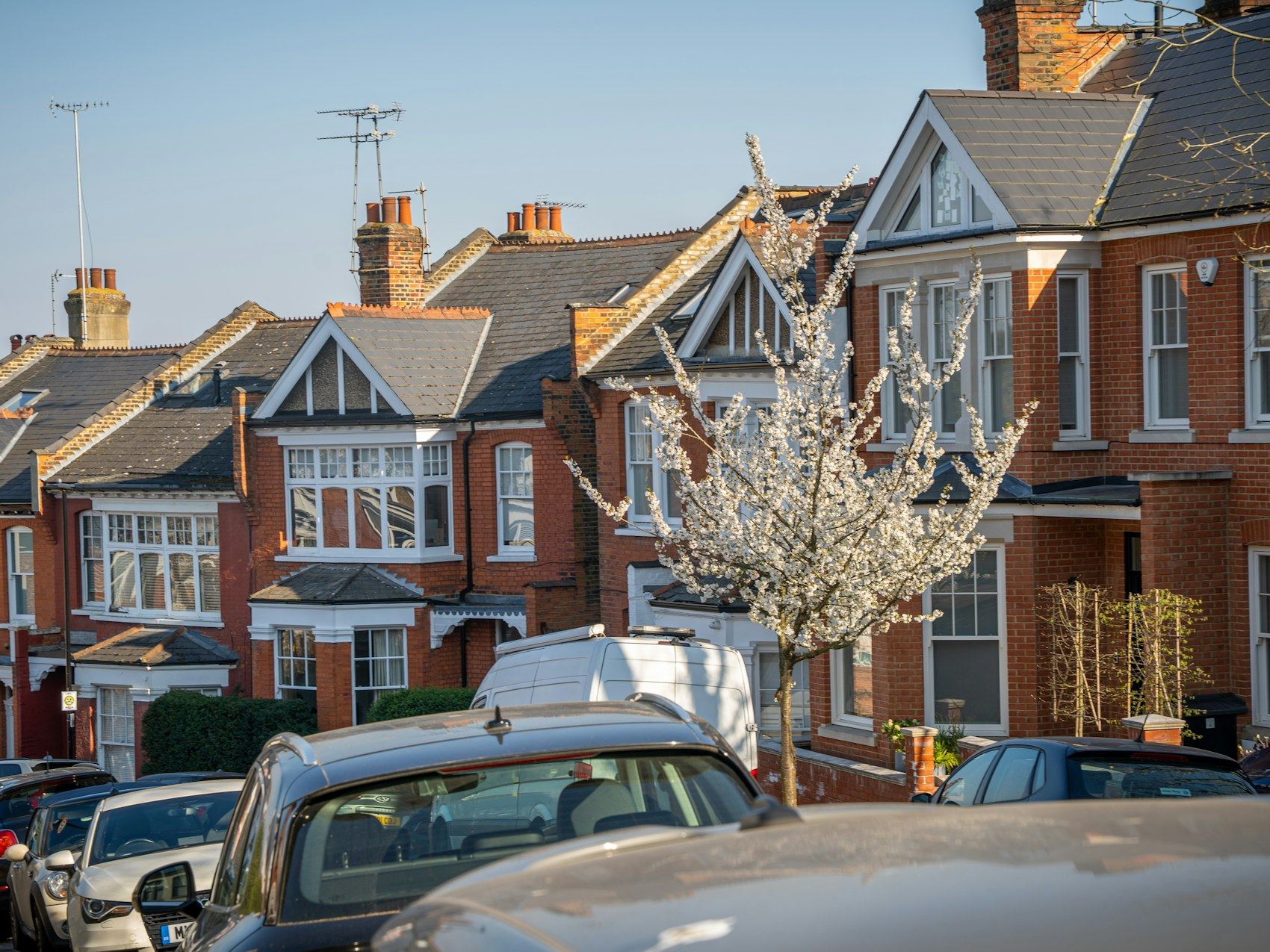
Greenford, UB6
Subsidence in Greenford: cracks and clay soil
Describe the crack or movement you have noticed. A specialist will review your home's details and tell you what it means, with no cost or obligation to proceed.
Repair options for homes in Greenford
Different ground conditions call for different repairs. A specialist assesses the soil beneath a house before recommending any work, so the fix matches the actual cause of movement.
-
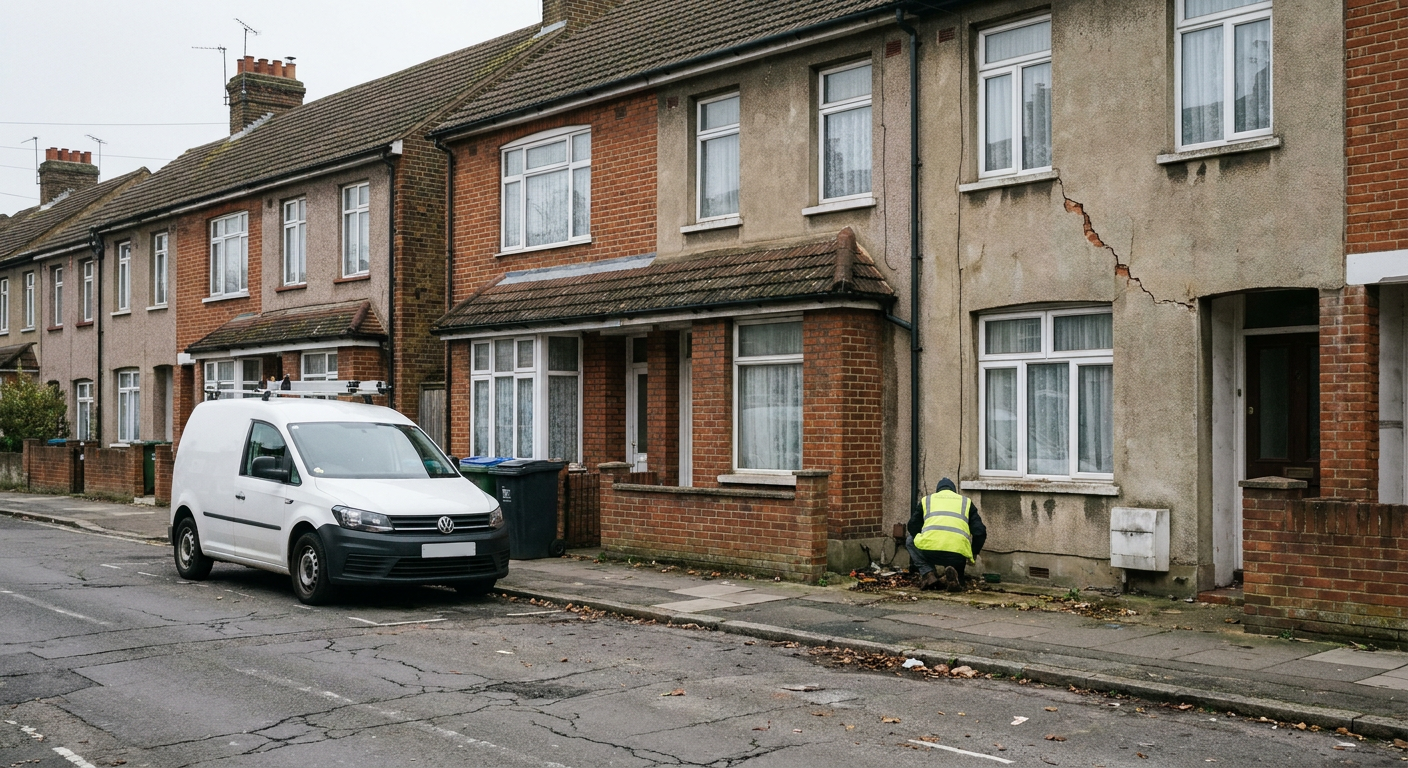
Subsidence Help
A specialist surveys the home, measures the cracks and determines whether the movement is active or historic before recommending next steps.
-

Underpinning
The contractor excavates below the existing foundations and pours new concrete to stabilise shallow strip footings that can no longer support the load.
-
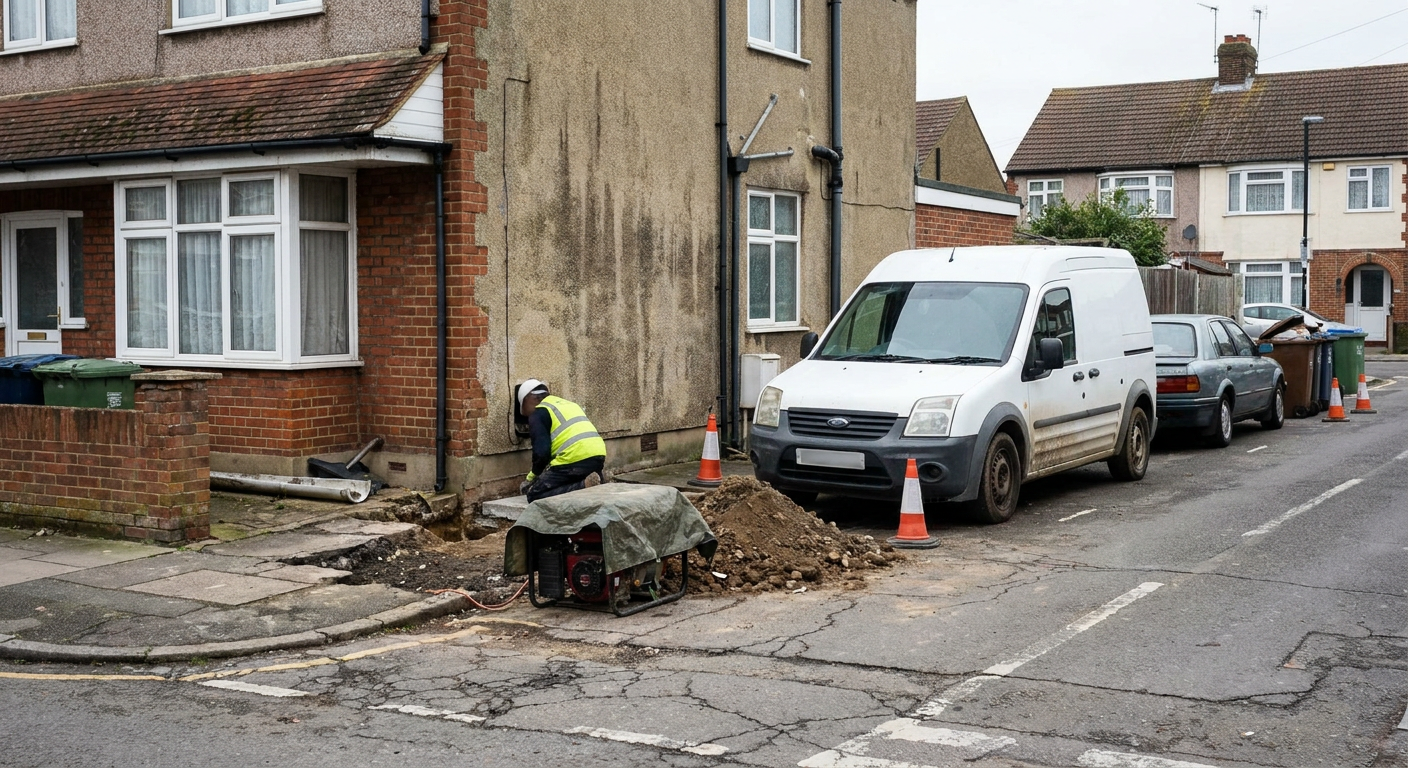
Resin Injection
A technician pumps structural resin into the ground beneath the footing, compacting loose soil without the need for extensive excavation.
-
Screw Piling
The piling firm drives steel helical piles deep into stable ground, bypassing soft fill or shrinkable clay where access is tight.
-
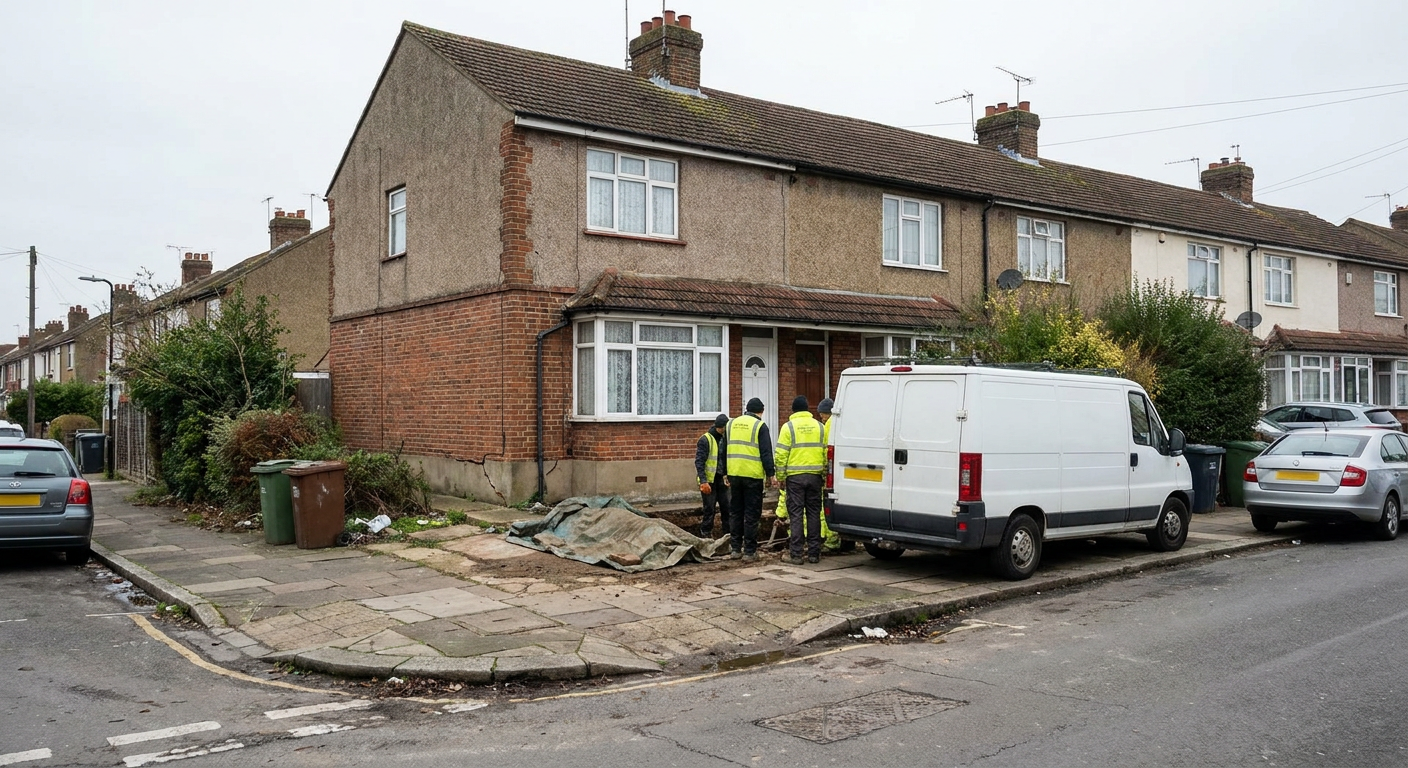
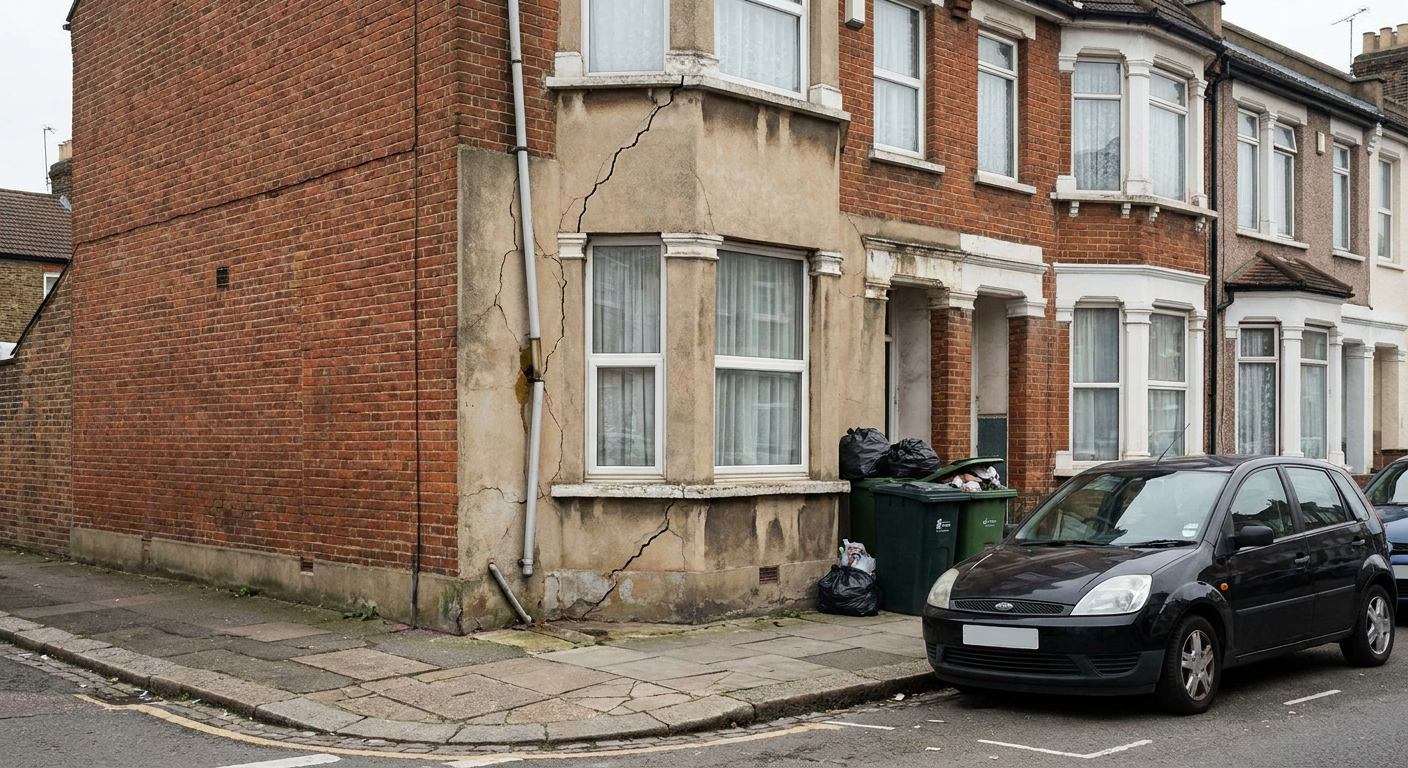
Concrete Cracking
A specialist cuts out cracked slabs, addresses the void beneath them and reinstates level concrete paths, driveways or garage floors.
Local causes
Why 1930s semis in Greenford move
Post-war housing developments in the area sit on shrinkable clay. During dry spells the soil loses moisture and contracts, pulling away from shallow strip footings and causing walls to drop.
Long back gardens often hold mature trees. Their roots draw water from the clay, accelerating shrinkage near the house. The closer the tree, the greater the risk to the foundations.
Land near the Brent corridor and old factory sites was sometimes filled rather than cleared. That made-up ground compresses unevenly over decades, tilting walls and cracking rigid surfaces.
A stepped crack above a front bay window usually points to differential movement. Settlement happens once as a house beds in; subsidence continues because the ground keeps shifting beneath it.
Cracked concrete paths and garage floors do not always mean the walls are failing, but they show the ground underneath has moved. A specialist checks whether the slab damage links to deeper issues.
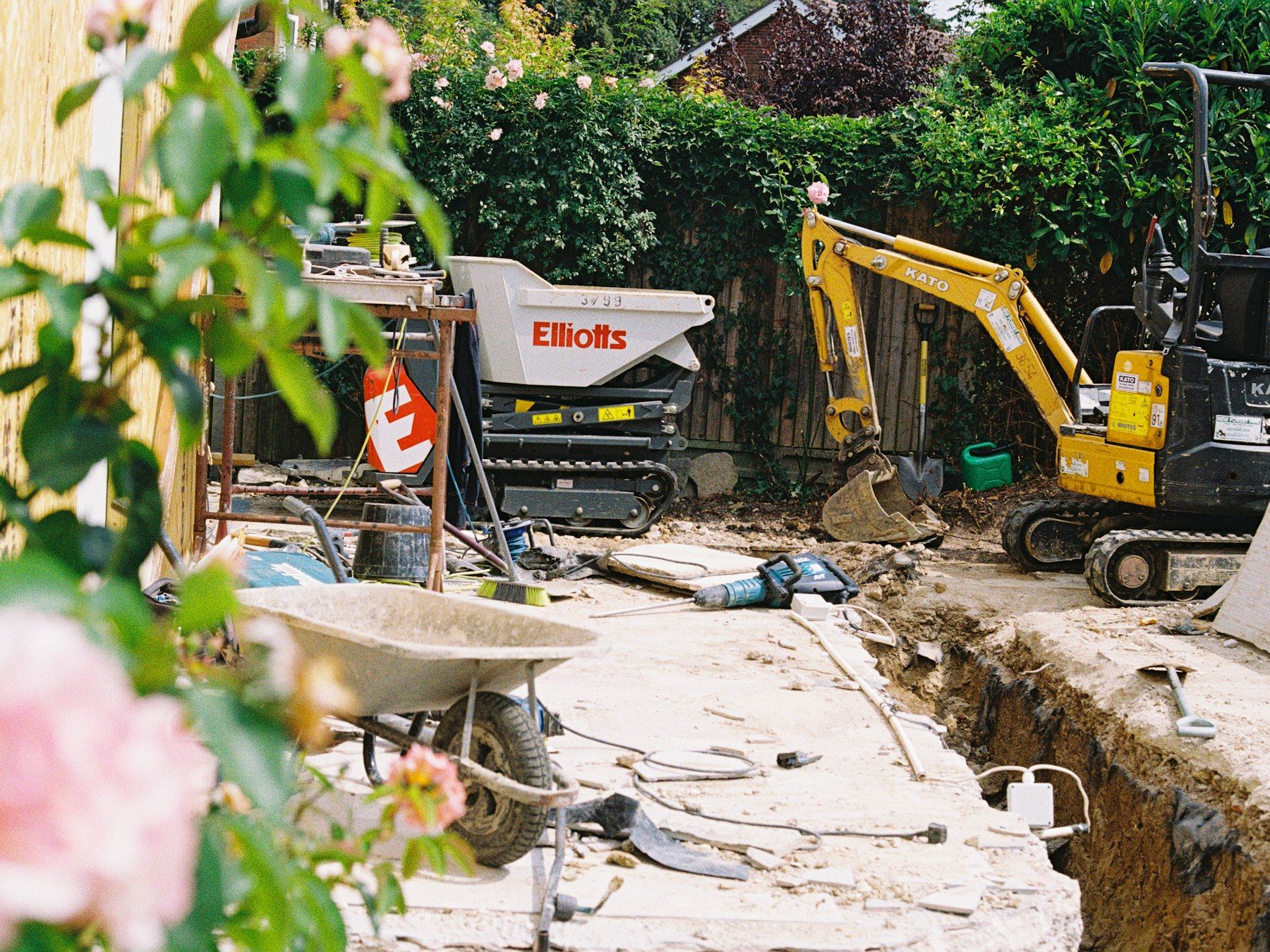
Subsidence services available in Greenford
Houses here share common vulnerabilities: shallow footings, clay subsoil and restricted side access. Each repair method addresses those specific local constraints.
-
Subsidence help in Greenford
A specialist visits the home to record crack widths, check door frames for distortion and examine the surrounding soil. They determine whether the house movement seen across Greenford UB6 is ongoing or has stopped, then advise on monitoring or repair. This initial survey clarifies the problem before any builder quotes for work.
-
Underpinning in Greenford
When cracked walls in a 1930s semi in Greenford prove to be active subsidence, a contractor digs sections beneath the existing shallow strip footings and fills them with concrete. An underpinning quote for a Greenford house reflects the depth needed to reach stable soil below the clay layer.
-
Resin injection in Greenford
For clay soil subsidence across west London, a technician injects expanding structural resin beneath the footing. The resin compacts the shrinking ground and lifts the foundation slightly. This avoids heavy digging in narrow gardens where tree roots already crowd the space around the house.
-
Screw piling in Greenford
Where access to the rear of a house is limited to a narrow side passage, a piling firm uses small plant equipment to drive steel screw piles through unstable fill down to load-bearing strata. The method suits properties near old factory land along the Brent corridor where ground conditions vary sharply.
-
Concrete cracking in Greenford
A contractor removes damaged concrete slabs, investigates the void or soft spot beneath them and pours a new reinforced base. They address paths, garage floors and driveway sections that have split because of ground movement, preventing trip hazards and stopping water from washing soil further away from the footings.
Areas covered around Ealing
Specialists operate across the borough and its edges. Soil conditions and housing types change between neighbourhoods, so each survey accounts for the specific street and its history.
If your area is not listed, describe your location when you get in touch.
Find out what the crack means
Send details of the movement you have noticed. A specialist reviews the information and advises on the next step. There is no fee for this and no commitment to commission any building work.
- No obligation
- Free initial advice
- Local specialists