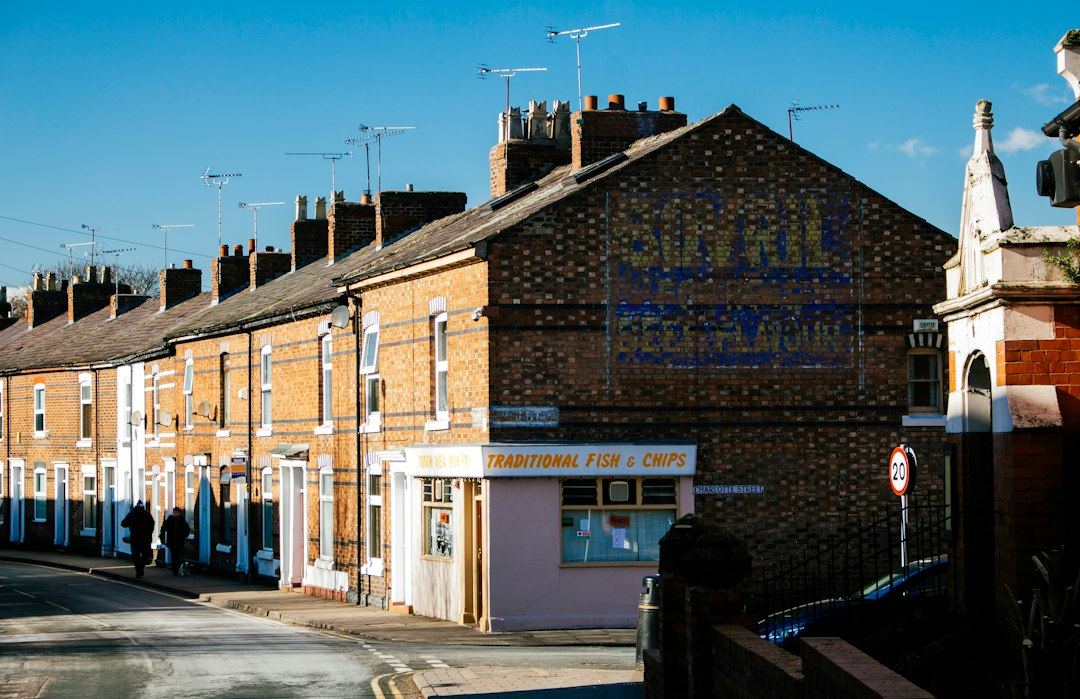
Ealing homes
Cracks that open each summer and close in winter
Describe the crack you have noticed at home. A specialist firm will read what you send and tell you whether the movement needs attention, without charging you for that first look.
Why cracks open in summer across Ealing
Most of Ealing sits on London Clay. This soil holds water through the wetter months and loses it when the weather turns dry. As moisture leaves, the clay shrinks. That shrinkage pulls the ground away from shallow foundations, and the walls above respond by moving. When a hairline crack comes and goes with the seasons, the cause is usually this annual cycle of swelling and shrinking.
The same crack reopens every dry summer because the soil follows the same pattern each year. Rain returns in autumn, the clay absorbs it and swells back toward its original volume. The wall settles into place again and the gap narrows or closes entirely. People sometimes call these seasonal cracks clay soil movement, and they are common wherever houses stand on shrinkable ground.
Clay shrinkage house cracks in London follow rainfall records closely. After a long dry spell, more homeowners notice gaps appearing around window frames, along mortar lines or where an extension meets the main building. The movement is predictable in its timing, even if the exact width varies from one year to the next.
How trees change the picture
A tree near your home draws water from the soil through its roots. During a dry summer, it pulls harder. If that tree stands within reach of your foundations, it accelerates the drying process beneath your walls. Tree drying out clay subsoil is one reason a crack on one side of a house opens wider than a similar crack on the other.
Roots do not need to touch the brickwork to matter. They extract moisture from several metres away, so a mature oak or poplar in a front garden can influence the ground under a living room. Removing the tree does not always fix the problem either. Once the roots stop taking water, the clay can swell rapidly, pushing foundations upward in a different kind of movement.
Specialist firms consider the species, height and distance of any tree before recommending work. They may suggest pruning, root barriers or removal, but only after reading the soil conditions and the pattern of cracking over time.
Why a full year of readings matters
A single visit tells a specialist how wide the crack is today. It does not tell them whether the movement has stopped, whether it repeats every twelve months or whether it is getting worse. Crack monitoring over one year captures the full seasonal range. Tell-tales or digital gauges record small changes week by week, producing a graph that shows exactly when the wall moves and when it rests.
This data separates harmless thermal movement from progressive subsidence. If the readings show the crack opens to three millimetres each August and closes fully by December, the ground is cycling but not failing. If each summer leaves the gap slightly wider than the last, the clay is losing more moisture than it recovers, and the foundation is sinking further.
Rushing into repairs before that evidence exists can waste money. Underpinning a wall that only moves seasonally solves nothing, because the ground will keep shrinking and swelling regardless. Monitoring costs little compared to structural work, and it gives the specialist firm a factual basis for whatever they recommend next.
What to do while you wait for answers
Filling the crack now might feel like progress, but it destroys evidence. A specialist needs to see the edges clearly, measure the width accurately and sometimes examine the material inside the gap. Hard filler prevents all of that. If dust or rain bothers you, a soft decorator's caulk keeps the opening clean without bonding the masonry together.
Keep a simple diary. Note the date you first see the gap each year, measure it with a ruler or coins of known thickness, and take a photograph from the same spot. These records help the specialist firm compare your observations with their instruments. Mention any nearby plumbing leaks too, since escaping water softens clay just as surely as drought dries it.
If you plan to sell your home during this period, a buyer will ask questions. Having a monitoring report already underway shows you have taken the matter seriously rather than ignoring it. Read more about what buyers look for when buying a house with cracks in Ealing before putting the property on the market.
Cracks that appear in summer and vanish in winter
London Clay under Ealing shrinks when it dries and swells when it rains. This annual cycle makes walls move slightly, opening gaps in warm months and closing them again once autumn rain returns.
- 1
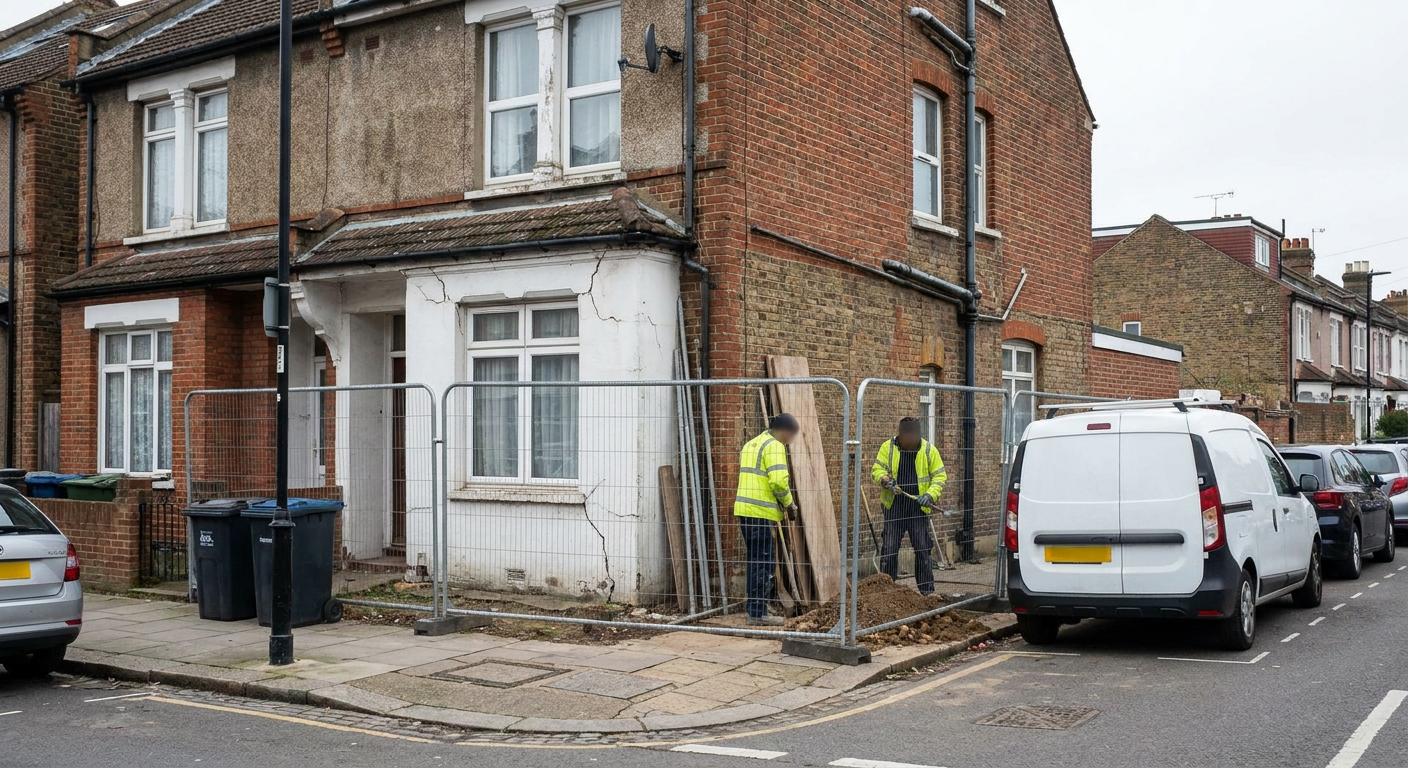
Gap along a mortar line
A thin line appears between bricks in warm weather. It often follows a stepped path and may narrow once rain returns.
- 2
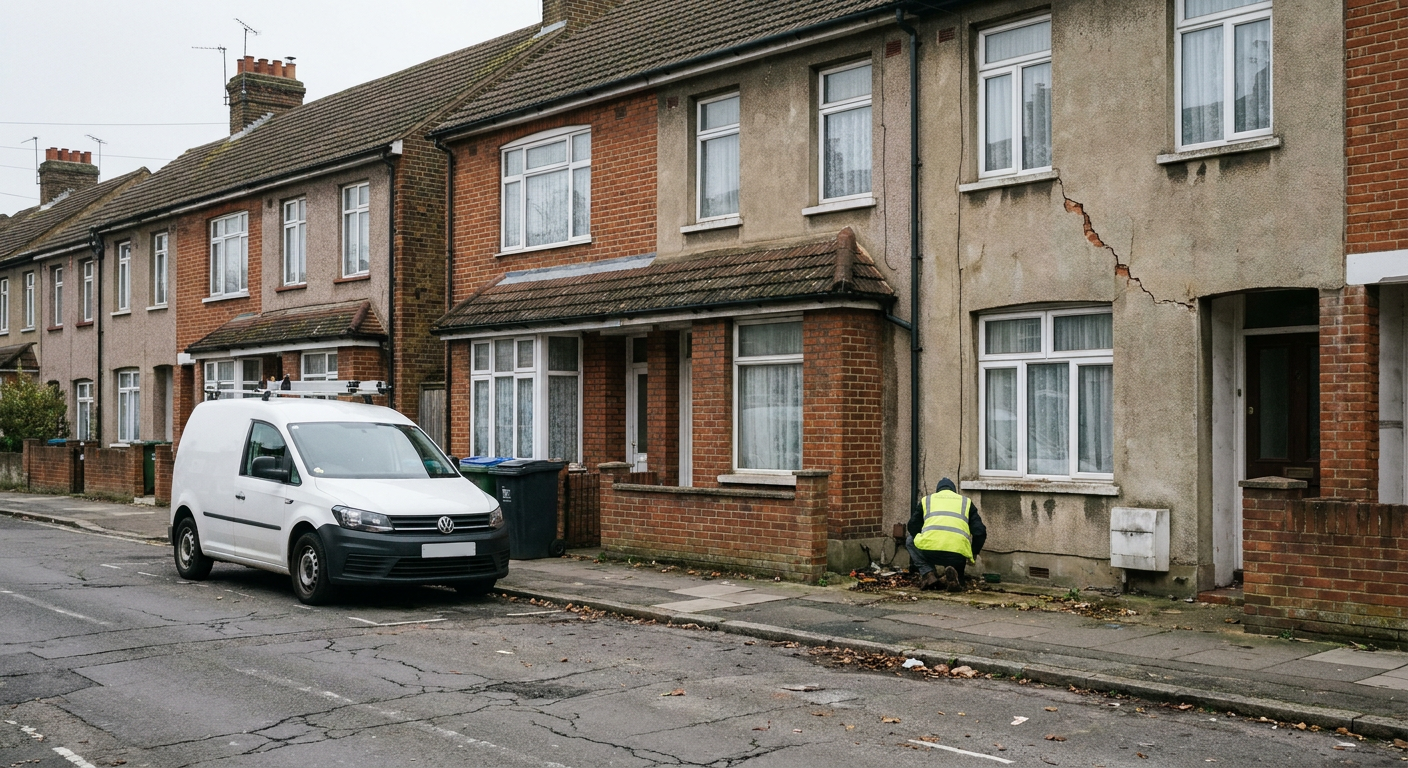
Plaster crack near a window
A fine line runs from a window corner toward the ceiling. It tends to widen during dry spells and fade in winter.
- 3
Door catching on its frame
A door sticks in summer but swings freely later. The frame distorts slightly as the wall behind it moves with the clay.

- 4
Skirting board pulling away
A gap opens between the skirting and the wall at floor level. Moisture loss in the ground below shifts the lower wall outward.
Questions about seasonal cracking
Answers to the things people in Ealing ask most often. For anything else, read the common questions page. More questions.
- The crack opens every summer and closes by winter. Is that subsidence?
- Seasonal opening and closing usually points to clay shrinkage rather than progressive subsidence. True subsidence means the foundation keeps sinking. A specialist firm uses monitoring equipment over twelve months to confirm which pattern your home follows before suggesting any repair.
- Why does London Clay under my street shrink in a dry spell?
- London Clay contains minerals that hold water between their layers. During weeks without rain, evaporation and plant roots draw that water out. The clay particles move closer together, reducing the soil volume. Foundations resting on this shrunken clay settle downward until rain restores the moisture.
- If it closes up again each year, do I still need to do anything?
- Yes. Repeated movement fatigues mortar and plaster over many years. More importantly, a crack that closes each winter can still be growing slightly wider each summer. A specialist firm monitors the maximum width annually to confirm the movement remains stable rather than worsening.
- Why would a specialist want to monitor for a full year before advising?
- One measurement shows the crack today. Twelve months of readings reveal the pattern: when movement starts, peaks and stops. This evidence tells the specialist firm whether the ground cycles harmlessly or sinks progressively, which determines whether simple repairs or deeper work like resin injection is appropriate.
- Does the tree in my front garden make the summer cracking worse?
- Trees extract large volumes of water from clay soil. A mature tree near your foundations accelerates local drying, so the ground beneath that wall shrinks faster and further than elsewhere. A specialist firm assesses the species, height and distance before recommending pruning or removal.
- Should I fill the crack now or wait until monitoring finishes?
- Wait. Hard filler hides the edges a specialist needs to measure and bonds masonry that should remain free to move. If the gap lets in draughts or insects, use a soft decorator's caulk that peels away easily. Remove it before any inspection visit.
- Will my insurer accept a seasonal crack as a claim?
- Insurers distinguish between normal thermal movement and subsidence damage. A crack that opens and closes predictably each year may fall outside cover unless monitoring proves the movement exceeds acceptable limits. Submitting a year of readings strengthens any claim by showing the extent of ground movement.
Tell us what you have noticed at home
Send a description of the crack and when you first saw it. A specialist firm will review the details and advise whether the movement warrants a site visit. There is no fee for this initial assessment.
- No obligation to proceed
- Free initial assessment
- Local specialists only