
Buying in Ealing
Buying a house with subsidence cracks in Ealing
Describe the cracks your surveyor found and get an independent view of what they mean for the purchase. There is no fee to ask, and nothing commits you to buying the home.
What to know when buying a house with subsidence cracks
When the survey flags movement on an Ealing terrace
A homebuyer report that mentions possible movement can stop a purchase in its tracks. You might wonder if subsidence is a dealbreaker or if the surveyor is simply being cautious. On London clay, which runs under most of Ealing, seasonal shrinkage is common and does not always mean structural failure.
The next step is usually a structural engineer report before exchange. This costs more than the initial survey but gives you a clear picture of whether the ground is still moving or settled years ago. A specialist will examine the brickwork, measure crack widths and check the foundations. They produce a written assessment that both you and your mortgage lender can rely on.
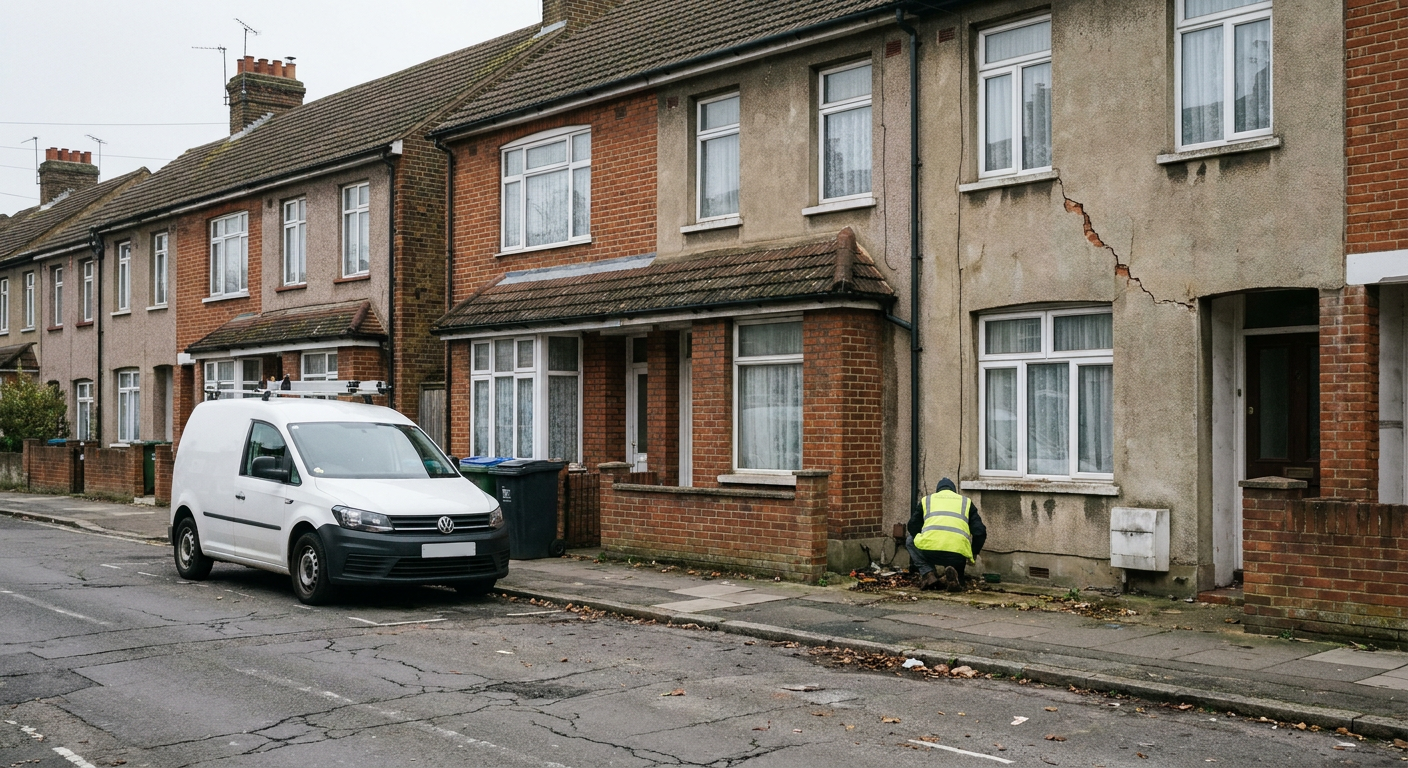
If you are deciding whether to pull out, consider where the cracks sit. Stepped cracking along mortar joints behaves differently from a single vertical line near a window frame. An ealing terrace movement check by someone who works on these streets daily will separate minor plaster shrinkage from something that needs repair. The right report turns a vague warning into facts you can act on.
Checking previous underpinning and insurance history
Sellers often mention that work was done decades ago, but verbal reassurance does not protect you. Ask for the original specification, the completion certificate and any monitoring records. If the house was underpinned, the paperwork should name the method used and show how deep the new concrete or piles were taken. Previous underpinning insurance problems arise when records are missing. Some insurers will still offer cover, but they may apply higher excesses or exclude subsidence entirely until they see proof the repair held. You can also look at the repair itself. Resin injection leaves small drill holes in the ground near the wall. Screw piling shows steel brackets where the foundation meets the masonry. Traditional mass concrete underpinning is visible in excavated sections if the seller allows access. Each method has different long-term implications. A structural engineer reads them during a site visit.
Mortgage lenders and active movement
Lenders need certainty before releasing funds. If a valuation survey notes cracking wider than a few millimetres, the bank will likely pause the application until a structural report confirms the building is stable. In some cases a mortgage is refused because of cracks that have never been investigated properly.
Active movement changes who pays. If the ground is still shifting, the seller remains responsible for lodging a claim with their own insurer before contracts are exchanged. Once you own the home, their policy ends and yours begins, leaving you to fund repairs yourself if the problem continues.
This is why timing matters. Commissioning a specialist assessment early gives you room to negotiate or walk away. The report might recommend further monitoring over several months, which could delay completion. Knowing this before you commit lets you decide whether the purchase timeline still works for your move.
Using the findings to renegotiate the price
Cracks give you leverage, but only if you can attach a number to them. A structural report that recommends underpinning or resin injection provides a cost estimate you can take back to the estate agent. Without that figure, any attempt to lower the asking price is just opinion against opinion.
The discount depends on the severity. Hairline plaster cracks that open each summer and close in winter rarely justify a large reduction. A bay window pulling away from the main wall, or sloping floors across the ground floor, points to deeper settlement that costs thousands to stabilise.
Bring the report to your solicitor as well. They can draft a clause requiring the seller to complete specific repairs before exchange, or agree a retention held back from the sale proceeds until the work is verified. Either approach protects you from inheriting a problem the seller knew about but chose not to fix.
Signs of movement spotted during a viewing
Movement in a house shows itself through visible changes in walls, floors and openings. These signs do not confirm subsidence alone, but they tell you where to look closer before committing to buy.
- 1
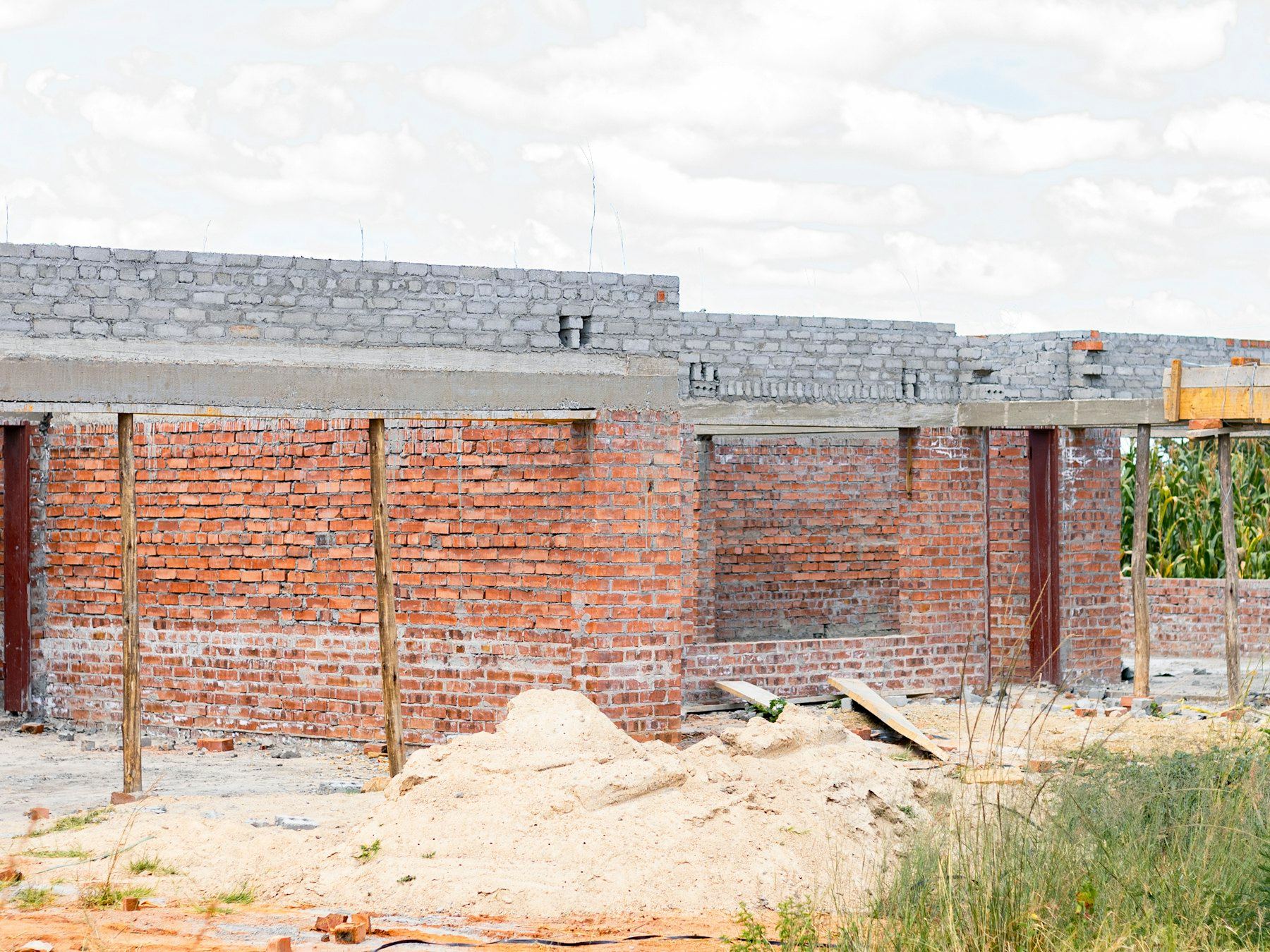
Stepped cracks in brickwork
Diagonal lines following the mortar joints between bricks. Often seen near corners or below windows where the wall has shifted.
- 2
Doors and windows sticking
Frames that jam or leave uneven gaps when closed. This can happen when the surrounding wall moves out of square.
- 3
Sloping or bouncy floors
A noticeable tilt when walking across a room, or boards that flex more than expected underfoot.
- 4
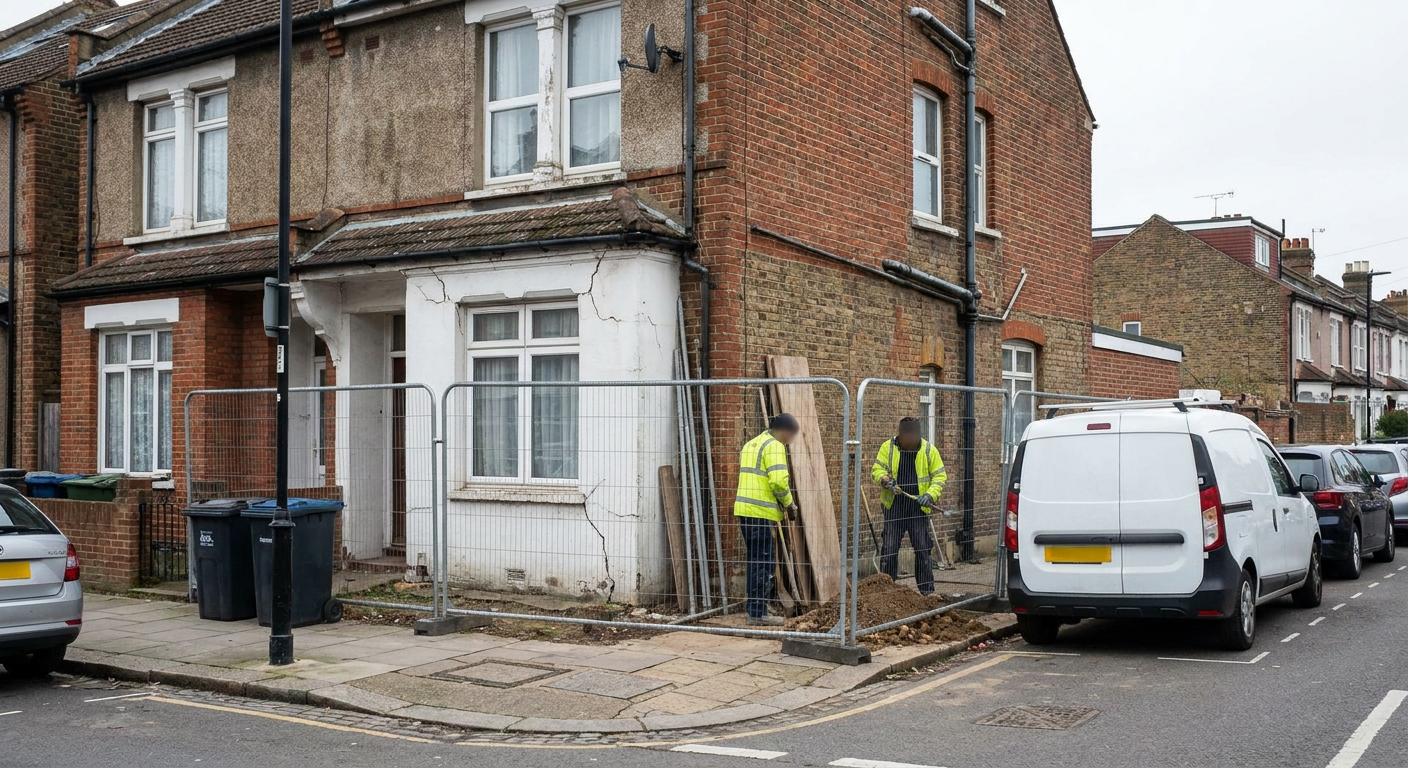
Cracks where an extension joins
A gap opening between the original house and a later addition, suggesting the two sections are moving independently.
- 5
Widening plaster cracks inside
Lines in internal walls that grow over weeks rather than staying hairline. Measure them periodically to track change.
Questions buyers in Ealing ask about cracked houses
These are the things people want answered once a survey mentions movement and the clock is ticking toward exchange.
- Cost and speed of a report
- A structural engineer report typically costs several hundred pounds and takes one to three weeks. Book it immediately after the homebuyer survey flags concern so you stay within your exchange deadline.
- Verifying old underpinning
- Request the completion certificate, original drawings and any monitoring data. A specialist can inspect the exposed work to confirm the depth and method match what the paperwork claims.
- Insuring a repaired home
- Buildings insurance is available for houses with a subsidence claim history, though premiums and excesses may be higher. Specialist brokers handle these policies regularly.
- Responsibility for active movement
- If monitoring shows the ground is still shifting, the current owner must claim on their existing policy. Do not exchange contracts until the insurer accepts liability or the work is finished.
- Paperwork to request from sellers
- Ask for engineering reports, insurance correspondence, repair invoices and any crack-monitoring charts. Missing documents make it harder to secure both a mortgage and future cover.
- Renegotiating the asking price
- Use the estimated repair cost from the structural report to justify a lower offer. Your solicitor can also arrange a retention from the sale proceeds to cover the work.
Tell us what your survey found
Send the details of the cracks and the surveyor's comments. You will receive a plain explanation of what they likely mean for the purchase, with no obligation to proceed.
- No fee to ask
- Independent advice
- No commitment to buy