Ealing homes
Tree causing cracks in house: what to check
Describe the cracks and the trees nearby. A specialist firm will read what you send and tell you whether the roots could be involved, at no cost to you.
Trees, clay and movement in Ealing homes
How street planes and garden limes pull water from clay
Most of Ealing sits on London Clay. In dry months this soil shrinks as it loses moisture, and tree roots accelerate that loss by drawing water directly from the ground beneath foundations. When people search for a tree causing cracks in house walls, they are usually dealing with clay shrinkage subsidence driven by nearby trees.
Street planes are common across Ealing, lining roads in Northfields, Acton and Hanwell. Their root systems spread far beyond the canopy, often reaching under pavements and into front gardens. Garden limes behave similarly, though their influence distance is generally shorter. A mature plane can extract moisture from clay up to twenty metres away, while a lime typically affects ground within ten to fifteen metres.
Willows are thirstier still. If a neighbour's willow stands close to your boundary wall, its roots may already be underneath your home. The depth matters too: clay shrinkage subsidence from trees tends to worsen through late summer when rainfall cannot replace what the roots take. Cracks that open each summer and narrow again in winter often point to this seasonal drying cycle.
Finding out which roots are pulling water
A subsidence survey involves digging trial holes near the affected wall so the specialist can examine the soil and any roots present. Identifying the species matters because different trees have different influence distances and water demands.
Root identification relies on physical structure and sometimes laboratory analysis. Plane roots tend to be thick and pale, while willow roots are finer and more fibrous. Lime roots fall somewhere between the two. The specialist firm taking the sample compares its features against known characteristics to determine whether the roots belong to your own tree, a neighbour's, or one planted by the council on the pavement.
This step decides who bears responsibility. If the roots come from a street tree, the local authority may need to be involved. If they belong to a garden lime on your land, the path forward is simpler. Either way, the survey report sets out what was found and what it means for the repair. You can read more about what these checks involve on the [subsidence survey page](/work/subsidence-help).
Heave risk if a tree is felled without care
Removing a tree that has been extracting water from clay does not always solve the problem. Once the roots stop drawing moisture, the clay begins to reabsorb water from rainfall and expands. This upward swelling is called heave after removing tree roots, and it can push foundations higher than their original position, cracking walls in new places.
The risk depends on how long the tree stood there and how much the clay dried out beneath it. A mature plane that has shaded a wall for decades leaves a large moisture deficit. Felling it suddenly allows rapid rewetting. Specialist firms sometimes recommend phased crown reduction instead of complete removal, lowering the tree's water demand gradually so the clay adjusts over several seasons rather than weeks.
If full removal is necessary, the structural engineer specifies monitoring points to track movement before and after the work. They may also advise on drainage adjustments to control how quickly water returns to the soil. Read about [whether subsidence always needs underpinning](/symptoms/does-subsidence-always-need-underpinning) for context on how repairs are chosen.
Conservation areas and tree preservation orders
Ealing contains several conservation areas where trees receive legal protection. Before any pruning or felling takes place, consent must be obtained. A tree preservation order in Ealing applies to specific specimens regardless of whether they sit in a conservation area, and working on a protected tree without permission is an offence.
The process starts with an application to the council's planning department. The specialist handling the subsidence claim usually coordinates this, providing evidence that the tree is contributing to structural damage. Council officers assess the application against amenity value, meaning they weigh the tree's contribution to the street scene against the harm it causes to your home.
Approval is not automatic. Officers may request alternative solutions such as root barriers or reduced watering demand through crown thinning. If they refuse consent, the case may require further negotiation or appeal. None of this happens quickly, so early engagement with the council prevents delays once the structural investigation is complete. Find out more about [signs of subsidence](/symptoms) to understand what prompts these applications.
Neighbour disputes and insurance claims
When a neighbour's tree is damaging your wall, the situation involves property law as well as structural engineering. You cannot compel a neighbour to fell a healthy tree on their land simply because its roots cross the boundary. But if those roots are causing measurable damage to your home, they may be liable for the repair costs.
Specialist solicitors and loss adjusters handle these disputes. The first step is establishing causation through the subsidence survey, proving that the neighbour's tree is extracting enough moisture to cause the movement. Once proven, a letter outlining the findings usually opens negotiations. Most neighbours prefer to settle through their insurers rather than face court proceedings.
Insurance claims involving street trees follow a different route. If a council-owned plane is responsible, your buildings insurer typically covers the internal repairs and then pursues the council for recovery. The insurer will want the survey report showing root identification and soil analysis before accepting the claim. Delays happen when evidence is incomplete, so thorough initial investigation matters.
Signs that tree roots may be moving your home
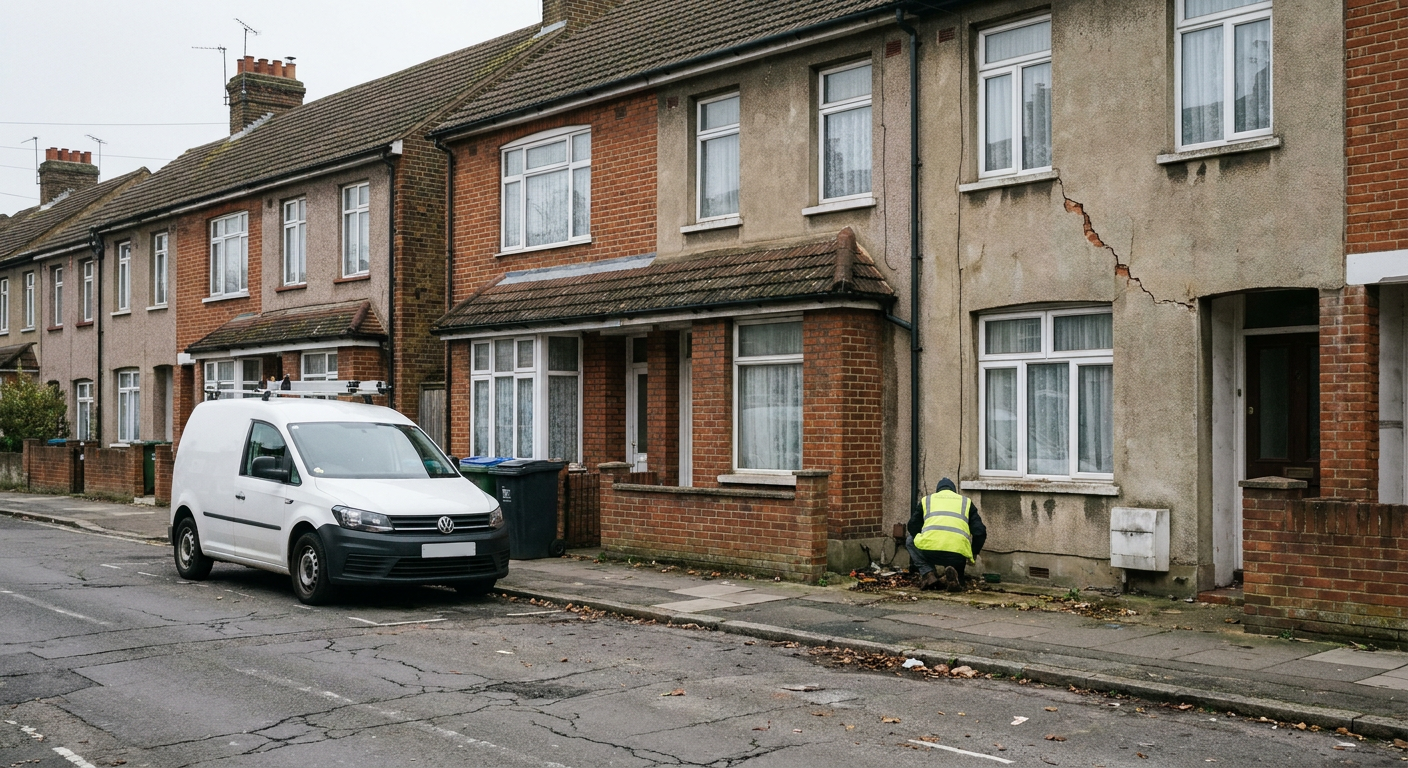
Tree roots draw moisture from clay soil unevenly, so the ground beneath one part of your home shrinks faster than another. That differential movement shows itself in specific places around the building.
- 1
Cracks above the bay window
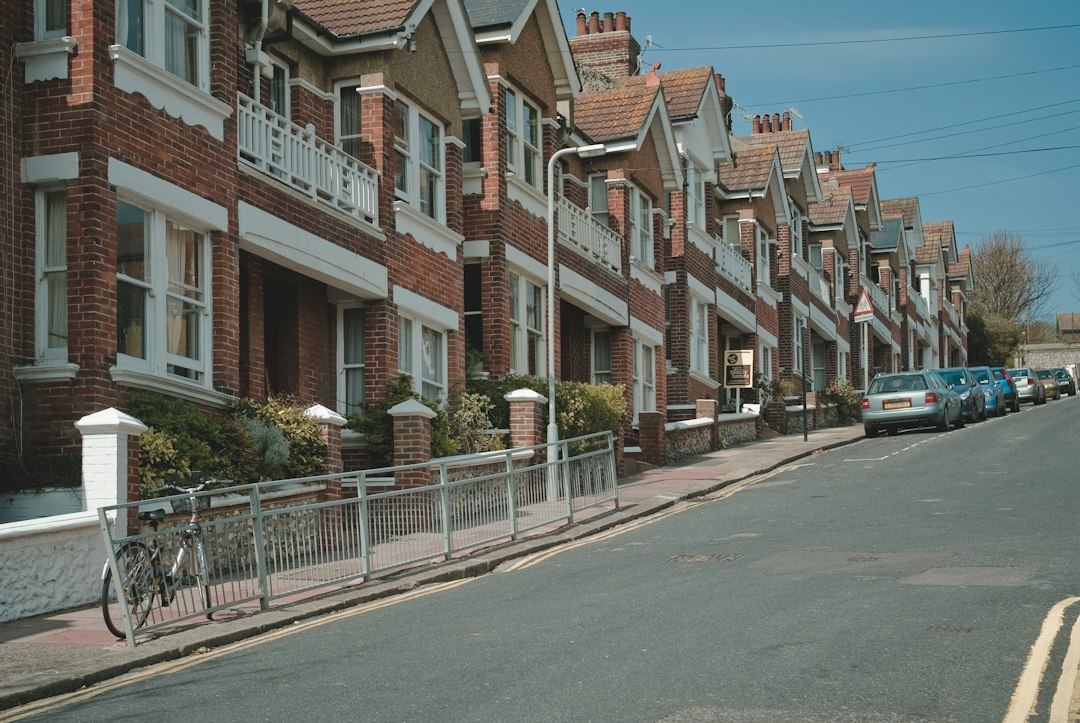
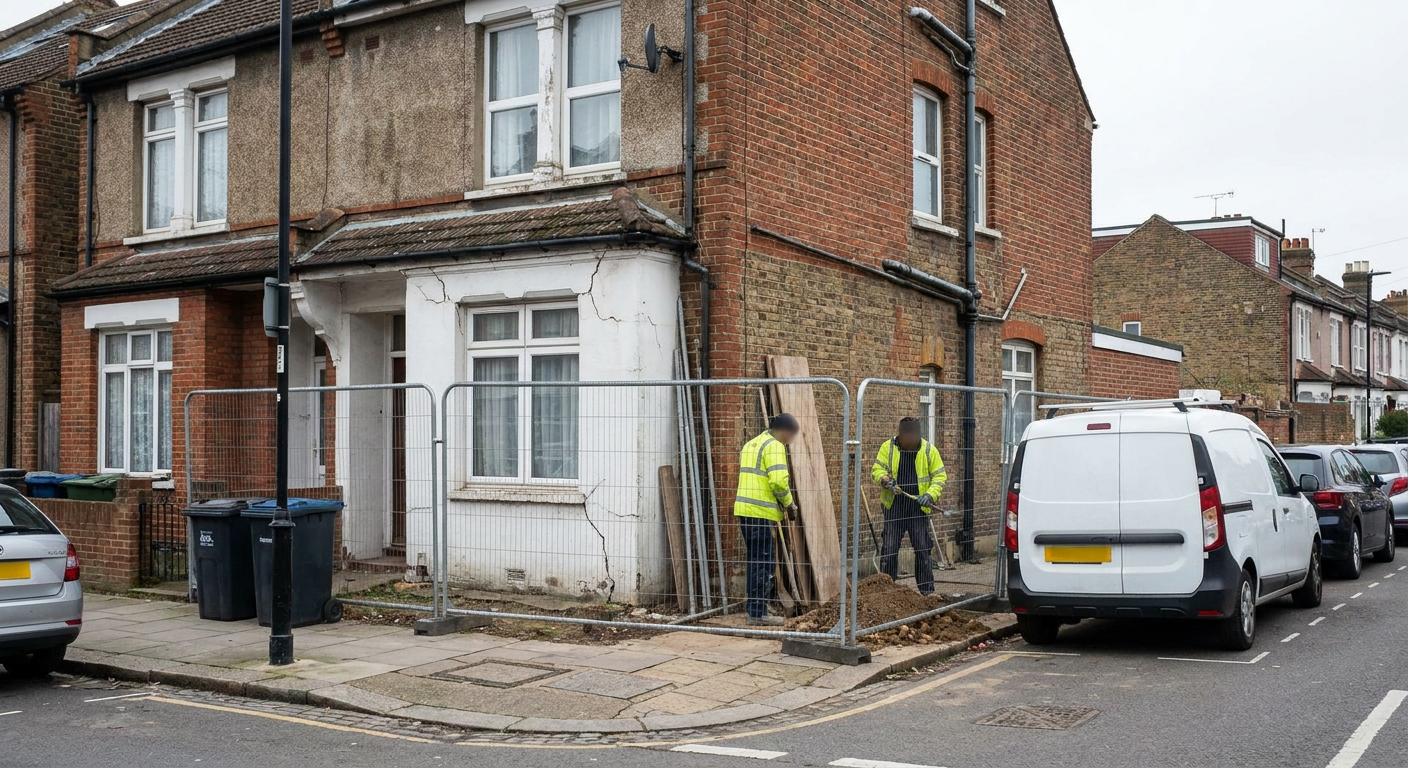
Diagonal cracks opening above a bay window frame suggest the bay is dropping away from the main wall, possibly because roots are drying the clay beneath it.
- 2
Stepped cracks in brickwork
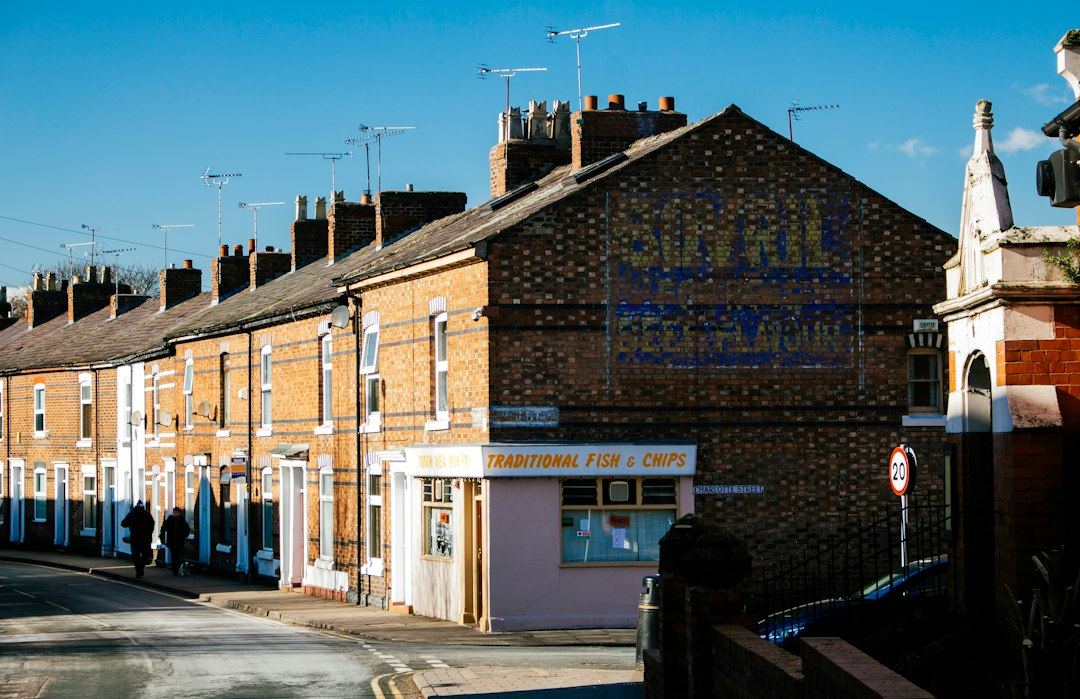
Cracks following mortar joints in a stepped pattern indicate one section of wall is sinking relative to another, which often aligns with root spread.
- 3
Doors and windows sticking
Frames distort when walls move. A door that jams only in late summer points to seasonal clay shrinkage driven by nearby trees.
- 4
Cracks widening each summer
Movement that tracks with dry months and eases after winter rain suggests biological moisture extraction rather than a plumbing leak.
Questions about trees and subsidence in Ealing
- Plane tree outside my Ealing house
- Large pavement planes commonly cause street tree cracks in Ealing houses. A subsidence survey determines whether roots beneath your bay window are actively extracting moisture from the clay.
- How close is too close for roots
- Mature planes affect clay up to twenty metres away; limes reach ten to fifteen metres. Distance alone does not prove causation, so soil testing is needed.
- Identifying roots in a trial hole
- Specialists compare root thickness, colour and cell structure against known species. Laboratory analysis confirms whether roots belong to your lime or a neighbour's willow.
- Will felling the tree cause heave
- Removing a long-established tree risks heave after removing tree roots, because clay re-expands. Phased crown reduction often lowers water demand safely without sudden ground swell.
- Council consent for tree work
- Any tree covered by a tree preservation order in Ealing or standing in a conservation area requires written council approval before pruning or felling begins.
- Neighbour refuses to act on their tree
- If a survey proves a neighbour tree is damaging your wall, their liability insurer usually handles the claim. Legal letters citing the evidence prompt cooperation.
Find out what the crack means for your home
Send details of the cracks and the trees nearby. A specialist firm reads your description and advises whether the roots could be involved. There is no charge and no obligation to proceed.
- No cost to you
- No obligation
- Specialist advice