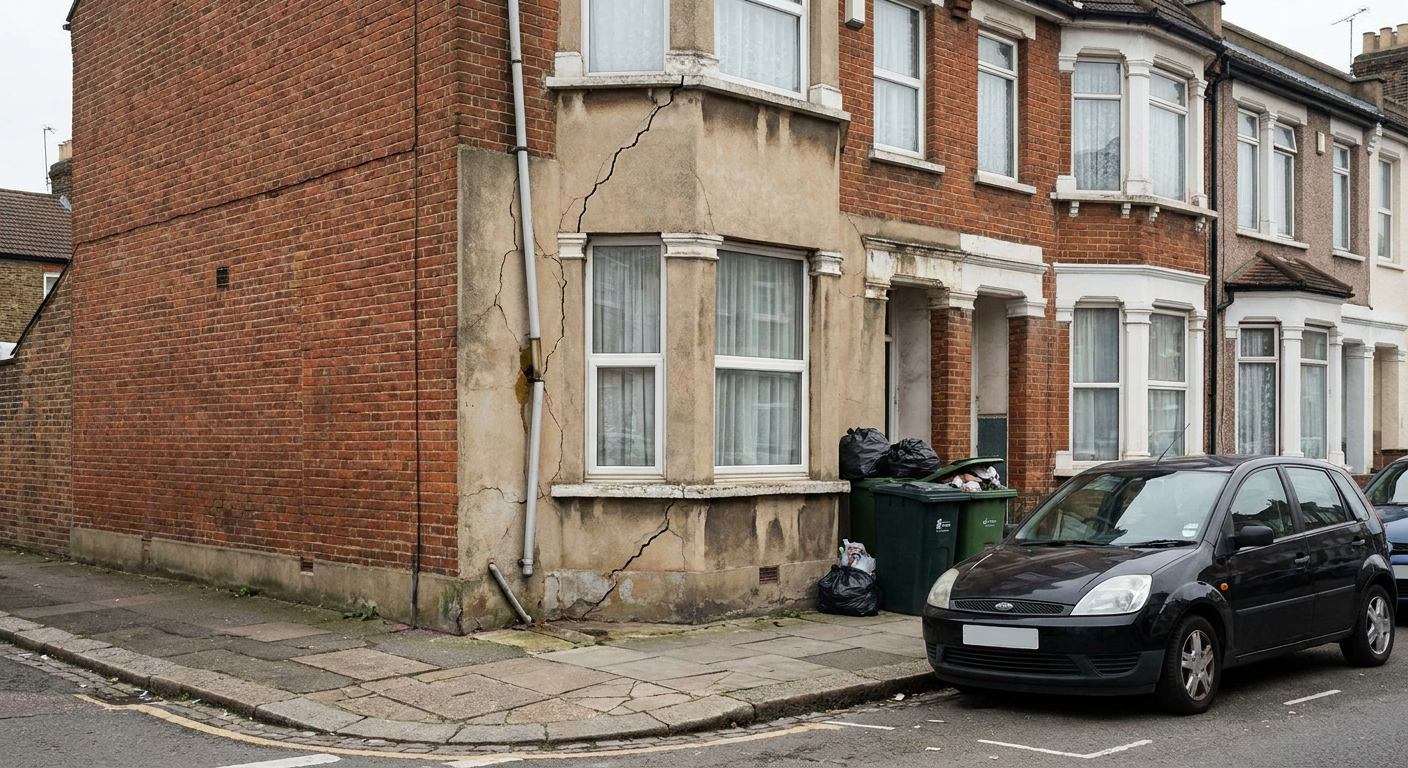
Ealing homes
Crack above a window frame or door: what it means
Describe the crack you have noticed and a specialist will tell you what it means for your home. There is no charge for the initial conversation and no obligation to proceed.
Why cracks form above window frames in Ealing
Why the weakest part of a wall cracks first
A solid brick wall spreads loads evenly across its length, but an opening interrupts that path. The masonry above a window has nowhere to transfer weight except through the lintel and down the narrow strips of brick on either side. Those corners become stress points.
When anything shifts, whether the ground beneath the foundations or the steel inside the wall itself, the movement finds the easiest route out. That route usually runs from the corner of the opening upwards. So a crack above window frame brickwork is rarely random. It follows the line where tension concentrates most.
Many older houses in Ealing were built with shallow footings on London Clay. That soil shrinks when it dries and swells when it gets wet, so the walls move slightly with the seasons. Over decades those small movements exploit the weak points around openings. A hairline fracture that appeared one dry summer can widen the next year if the clay loses more moisture than usual.
Failed lintel signs versus ground movement below
Telling a failing lintel apart from subsidence matters because the repair is completely different. Ground movement typically produces diagonal cracking that tapers as it rises, often accompanied by doors and windows sticking elsewhere in the room. The whole wall distorts.
A lintel problem stays local. You might see cracked render above window on the outside while the internal plaster remains flat, or a horizontal split running along the mortar bed just above the frame. On bay windows, look for the front section dropping relative to the main house wall.
Rusting steel lintel cracking bricks is common in Ealing terraces built between the wars. Moisture penetrates the outer leaf, reaches the unprotected steel and causes it to expand. That expansion pushes the surrounding bricks apart. The specialist checks whether the crack pattern radiates from the steel itself or tracks back towards the foundations. If only the area immediately around the opening is affected, the ground below is probably stable.
What the specialist looks for inside the reveal
The reveal is the depth of wall visible between the outer brickwork and the inner frame. Most homeowners never examine it closely, but it holds clues that the exterior face hides.
A specialist inspects the inner skin for corresponding fractures. If the crack passes straight through both leaves, the whole wall is moving. If it stops at the cavity or appears only on the outer leaf, the cause is likely tied to the lintel or the facing bricks themselves.
They check the bearing ends where the lintel sits on the supporting piers. Crumbling brickwork there suggests the load is crushing the masonry rather than the ground dropping away. They also look at the damp proof course above the opening. If it has torn or bridged, moisture may be reaching steelwork that was meant to stay dry.
In older Ealing properties, timber lintels sometimes survive behind plaster. Rot or beetle damage inside the reveal can produce sagging that mimics subsidence from the outside. Tapping the surface and probing gently tells the specialist what material they are dealing with before any repair is planned.
Bay windows, rusting steel and cracking brickwork
Bay windows project beyond the main wall line and rely on their own support. In many Ealing houses the steel angle holding up the bay roof was painted once during construction and left exposed to weather for eighty years.
When that steel corrodes it increases in volume. Rust occupies more space than the original metal, so it exerts outward pressure on the bricks sitting directly on top of it. The result is often a stepped crack climbing away from each corner of the bay, or a horizontal bulge in the course immediately above the lintel.
This failure mode is distinct from subsidence. The foundations under the bay may be perfectly sound. The problem originates within the wall thickness. A specialist identifies it by exposing a small section of the steel and measuring how much cross section remains. If enough metal has converted to oxide, the lintel needs replacing regardless of what the ground beneath is doing.
Replacing a lintel in an old Ealing terrace
Homeowners worry that removing a lintel means dismantling the wall above it. In practice the specialist supports the masonry first. Needle beams are threaded through temporary holes above the opening and propped on acrows or strongboys until the load bypasses the old lintel entirely.
Once the weight is carried safely, the damaged steel or timber comes out in sections. The new lintel slides into the prepared bed, packed with fresh mortar at the bearings. Props stay in place until the mortar cures enough to take the load back.
For a standard window in an Ealing terrace this work usually takes a day or two. Brickwork disturbance is limited to the immediate opening. Internal plaster needs patching afterwards and external pointing requires matching to the existing mortar colour. The disruption is far less than rebuilding a wall, but it does involve dust, noise and scaffolding if the window is above ground floor level.
Signs a crack above your window needs attention
Openings interrupt the load path in a wall, so stress gathers at the corners. When something gives way, the fracture starts there and climbs. Spotting the pattern early helps determine whether the cause is local or structural.
- 1
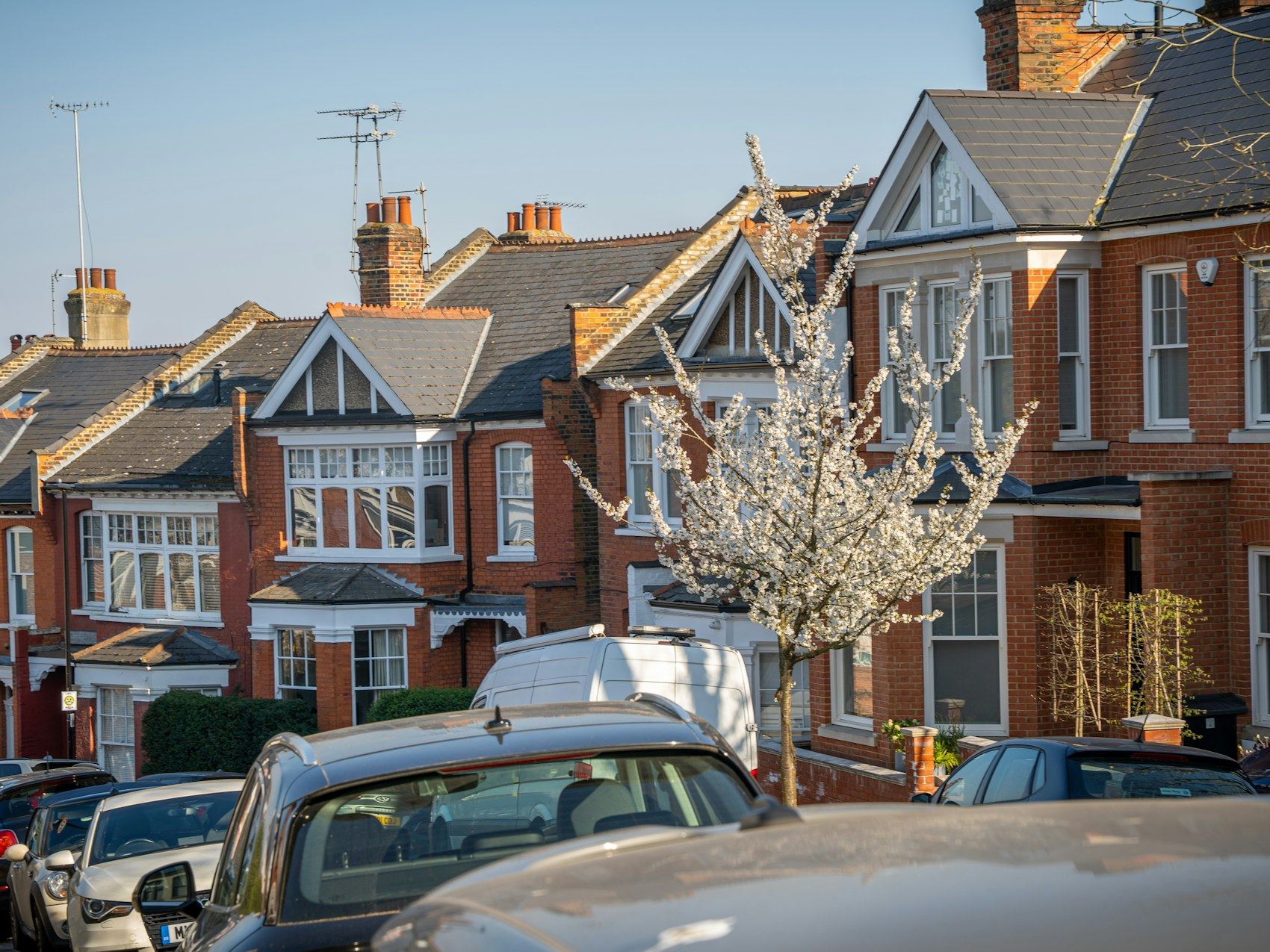
Diagonal line from the corner
A crack running up at roughly forty five degrees from the top corner of the frame often indicates differential movement below or a bearing end failing.
- 2
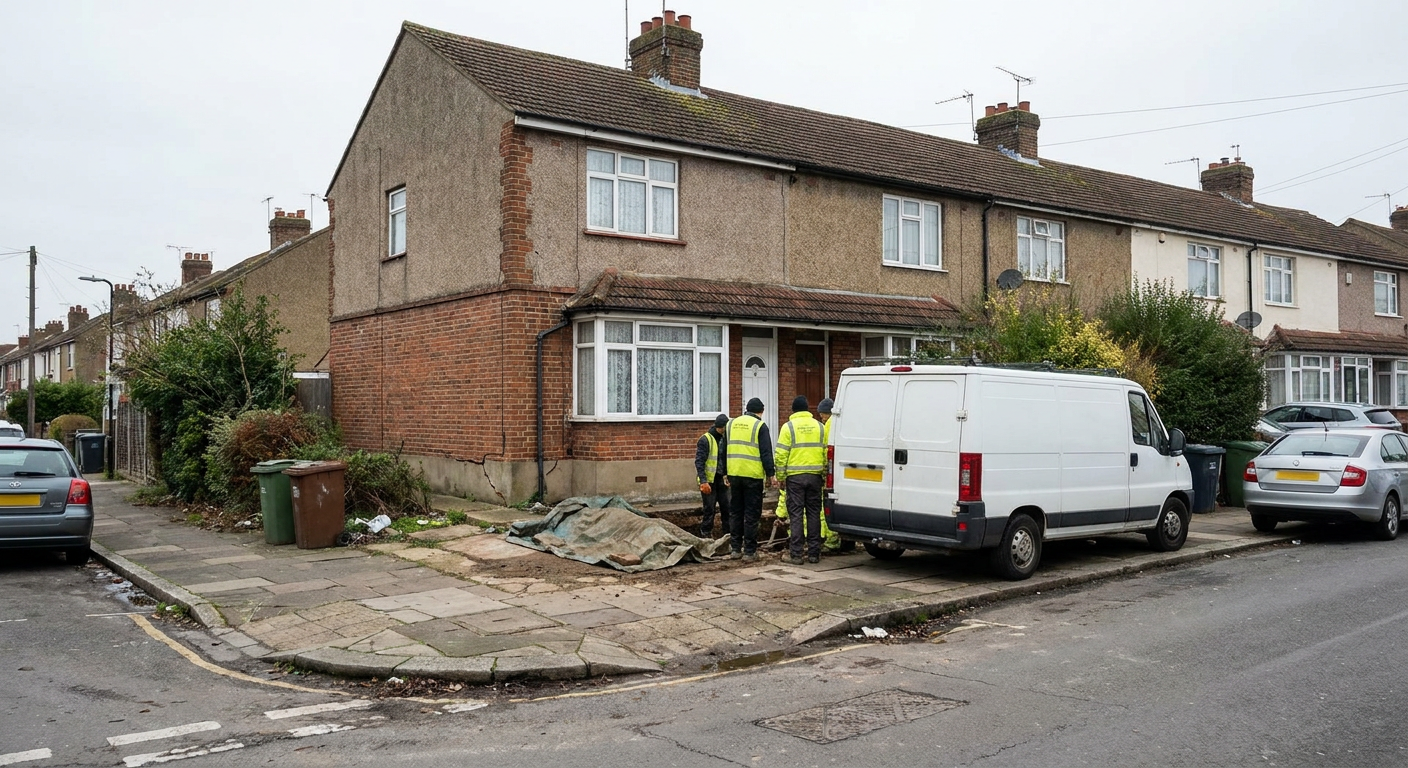
Horizontal split above the frame
A straight line following the mortar course directly over the opening can point to a lintel deflecting or corroding steel expanding within the wall.
- 3
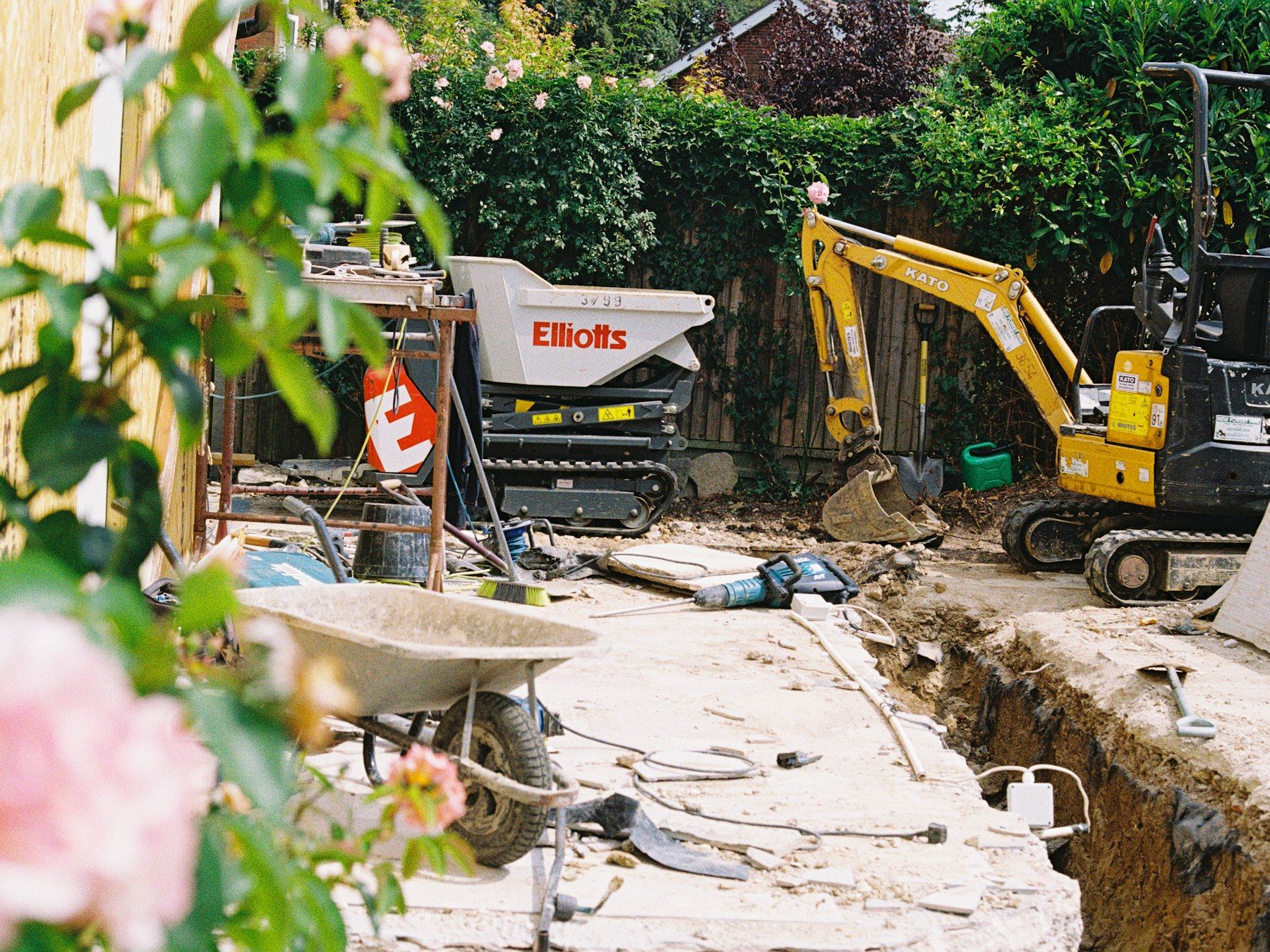
Cracked render around the head
Render splitting above the window while the bricks beneath remain intact suggests surface moisture reaching embedded steel or seasonal thermal movement.
- 4
Frame distorting or jamming
If the window sash sticks or the frame visibly bows inward, the opening itself may be narrowing as the masonry above settles onto it.
Questions about window cracks in Ealing
Answers to the things homeowners ask when they notice movement around an opening.
- How serious is a corner crack?
- A hairline fracture may be seasonal shrinkage. Anything wider than two millimetres, growing longer, or accompanied by sticking sashes warrants a specialist survey to rule out foundation movement.
- Lintel failure or ground movement?
- Ground movement affects multiple openings and causes diagonal tapering cracks. Lintel failure stays localised, often producing horizontal splits or bulging brickwork directly above the single affected opening.
- Can rusting steel crack bricks?
- Yes. Corroding steel expands and pushes the masonry apart. This is common in bay windows and older terraces where the lintel lacks adequate protection from penetrating rain.
- Why do cracks start at corners?
- Corners concentrate stress because the load path narrows around the opening. Any movement in the wall seeks the weakest point, which is always the unsupported edge of the hole.
- What happens inside the reveal?
- The specialist checks whether the crack passes through both wall leaves, examines the bearing ends for crushed brick, and probes for hidden timber rot or corroded steel concealed behind plaster.
- Is lintel repair covered by insurance?
- Buildings insurance typically covers sudden damage from an insured peril. Gradual corrosion or wear is classed as maintenance. A specialist report clarifying the cause determines how a claim is assessed.
Find out what the crack means for your home
Send details of what you have noticed and a specialist will assess whether the movement is local to the lintel or tied to the ground beneath. There is no fee for this initial advice and no commitment to book work.
- No cost for advice
- No obligation to proceed
- Local Ealing specialists