
Ealing homes
Crack where the extension joins the house
Find out what a crack between extension and house means for your home. Describe what you see and a specialist will assess it, at no cost to you.
Why the join cracks in Ealing rear extensions
Rear extensions are everywhere in Ealing, added over decades to 1930s semis and Victorian terraces alike. The spot where the new structure meets the old is a natural weak point. A crack where extension joins house usually appears because the two parts of the building respond differently to the ground beneath them.
The London clay under most of Ealing swells when wet and shrinks when dry. An older house has settled into that rhythm over many years. A newer addition has not. So the vertical crack rear extension owners notice often reflects differential movement extension join engineers expect, rather than a sudden failure. That does not mean every gap is harmless. It means the cause matters more than the crack itself.
If you have noticed a crack between extension and house, the first step is understanding whether it behaves like ordinary seasonal movement or something that needs intervention. The pattern, width and timing all tell a specialist what they need to know.
Different foundation depths and why they matter
A common reason for movement at the join is that the extension foundations deeper than house foundations sit at a different level. In a 1930s Ealing semi, the original footings might be shallow by modern standards. When an extension was built later, regulations or soil conditions may have required the builder to dig deeper.
Two sets of foundations resting at different depths react differently to moisture changes in the clay. The shallower footing moves more with the seasons. The deeper one stays relatively still. This tug of war concentrates stress exactly at the rigid join between the old wall and the new one.
Sometimes the problem shows up quickly. Owners dealing with a new extension cracking already often assume the builder made a mistake. While poor workmanship can play a part, differing foundation depths alone are enough to produce visible cracking within the first few years. A structural survey clarifies whether the movement falls within expected limits or points to a design flaw that needs addressing.
Seasonal opening and closing of the crack
Clay soil in areas like Acton, Hanwell and Greenford loses moisture through summer and regains it through winter. As the ground shrinks, the lighter or shallower-founded part of the building drops slightly. The crack opens. When rain returns, the clay swells and pushes the foundation back up. The crack closes.
This seasonal cycle is normal on London clay. A gap that opens to a few millimetres each August and tightens again by December is behaving exactly as the ground dictates. The danger arises when the crack does not fully close. If each summer leaves the gap slightly wider than the last, the movement is progressive.
Progressive movement suggests the soil is drying further than usual, perhaps because of a nearby tree or a leaking drain. At that point, a specialist will want to investigate the cause before recommending how to repair crack at extension wall sections safely. Monitoring the width across the seasons gives a clear picture of what is actually happening below ground.
When a specialist treats it as ordinary movement
Not every crack at an extension join requires major structural work. Specialists classify movement on a scale. Hairline gaps under two millimetres that open and close seasonally are typically treated as aesthetic issues. They can be raked out and filled with a flexible sealant designed to stretch with the building.
Once a crack exceeds three millimetres and shows signs of progressive widening, the approach changes. A specialist will look at the whole property, not just the join. They check whether doors stick, whether floors slope and whether other walls show stepped cracking. If the movement is confined entirely to the extension join, it is usually classed as differential settlement rather than subsidence.
That distinction matters for insurance and for the type of repair recommended. Ground stabilisation methods like resin injection can address localised soil shrinkage without excavating the entire foundation. In more severe cases, screw piling or traditional underpinning might be necessary, but these are reserved for situations where the movement threatens the structural stability of either the extension or the main house.
Repairing the join so it stops reopening
Filling the gap with standard mortar rarely lasts. The two structures will continue to move independently, and rigid filler simply cracks again. To repair crack at extension wall joints properly, specialists use materials that accommodate movement. Flexible polysulphide sealants or compressible foam backer rods allow the join to breathe without letting water in.
If the underlying ground movement is severe, sealing the crack is only a temporary measure. The soil itself must be addressed. Resin injection firms pump expanding geopolymer into the ground beneath the shallower foundation, compacting loose soil and providing a firmer base. This reduces the differential movement between the two structures.
Where foundations are simply too shallow for the local clay, underpinning extends them down to a stable stratum. Screw piling offers another route, driving steel piles past the active clay layer into load-bearing ground below. Each method suits different site conditions. A specialist determines which approach fits after examining the soil, the existing foundations and the extent of the damage.
Spotting movement where your extension meets the house
The join between an older house and a newer extension concentrates stress. Different weights, foundation depths and ages mean the two structures rarely move as one. Here is what that movement looks like from inside and out.
- 1
Vertical line at the external join
A straight crack running up the outside wall where the extension brickwork meets the original house. Often follows the mortar joint precisely.

- 2
Internal plaster splitting
A hairline or wider crack appearing on the inside wall at the same junction, sometimes pulling wallpaper away from the corner.
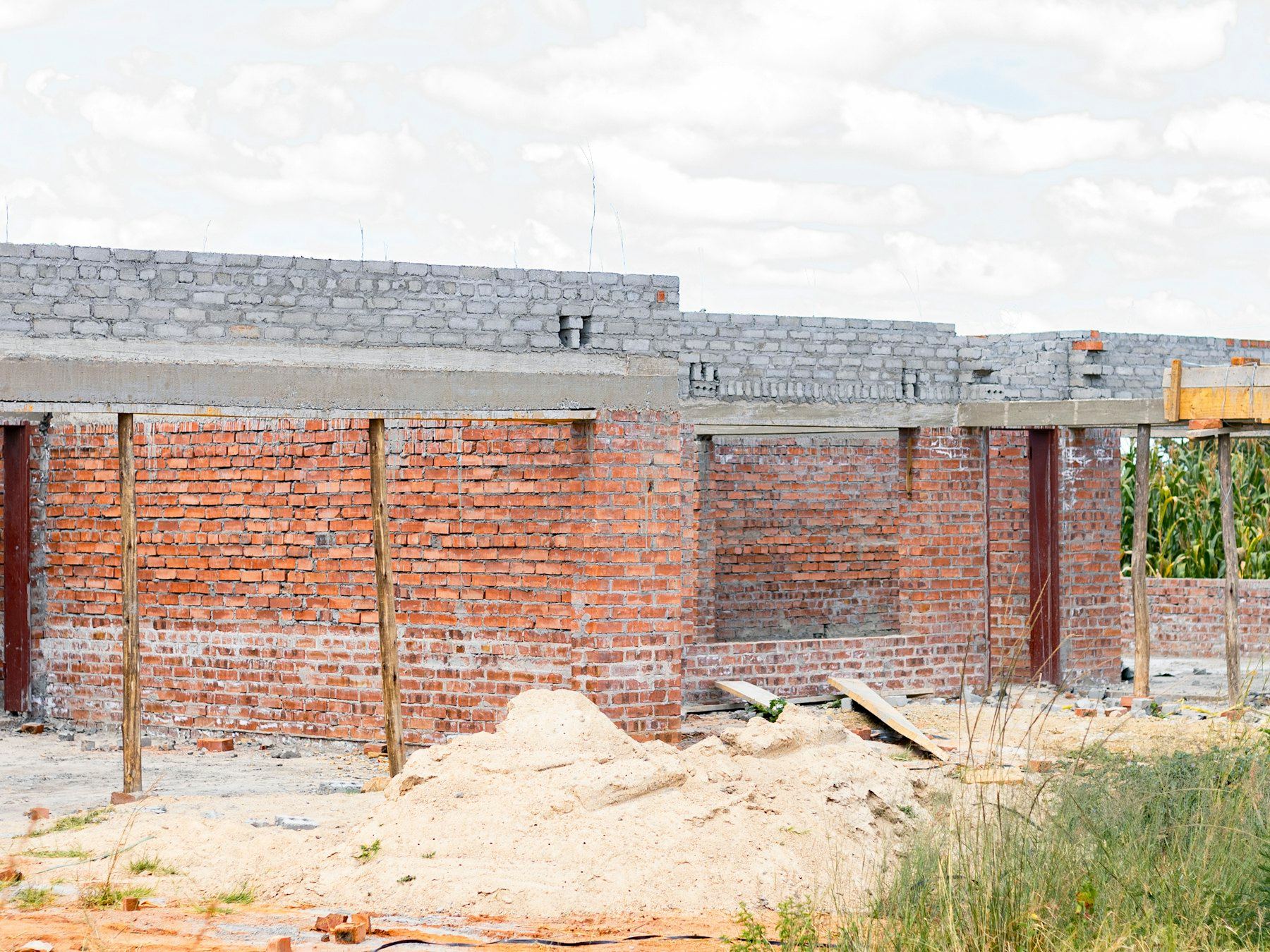
- 3
Skirting board separating
A gap opening between the skirting board and the wall, or the skirting pulling away from the floor near the extension join.
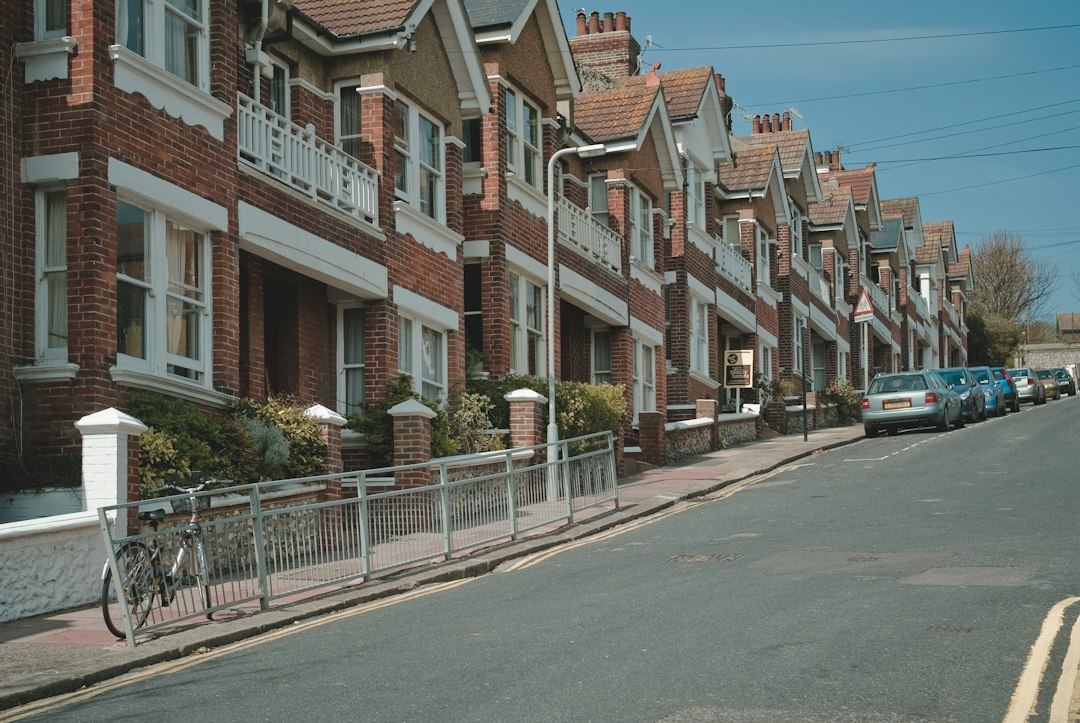
- 4
Door frame distortion
The door into the extension sticks at the top or bottom edge because the frame has twisted out of square.
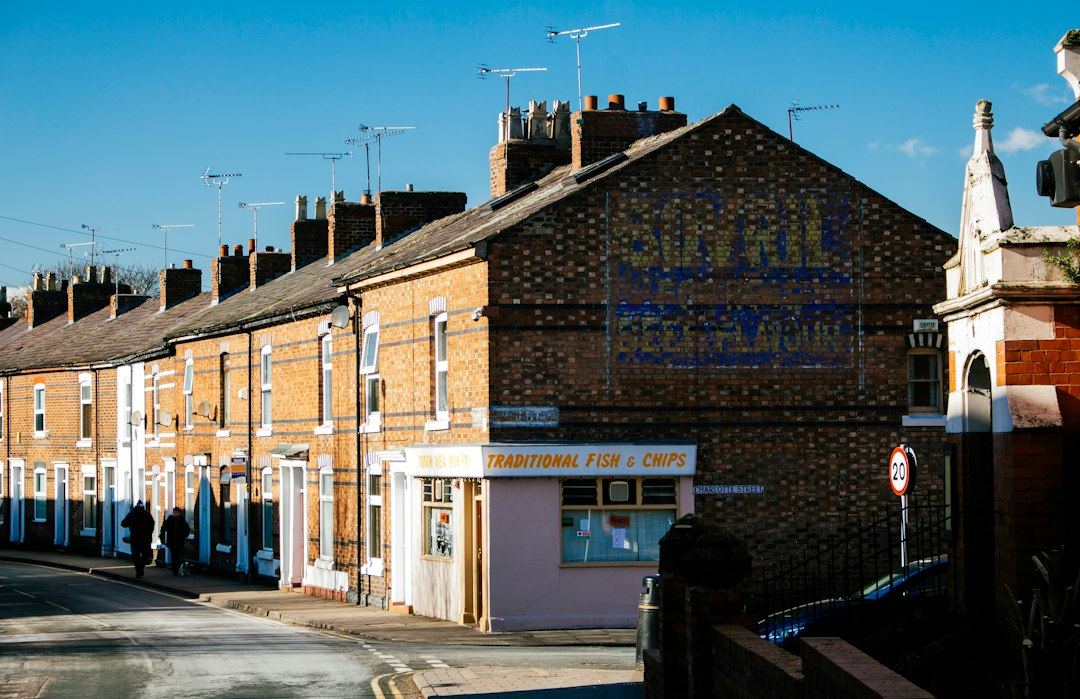
- 5
Gap under the extension sill
Daylight visible beneath the window sill where the extension meets the main wall, indicating the newer section has dropped slightly.
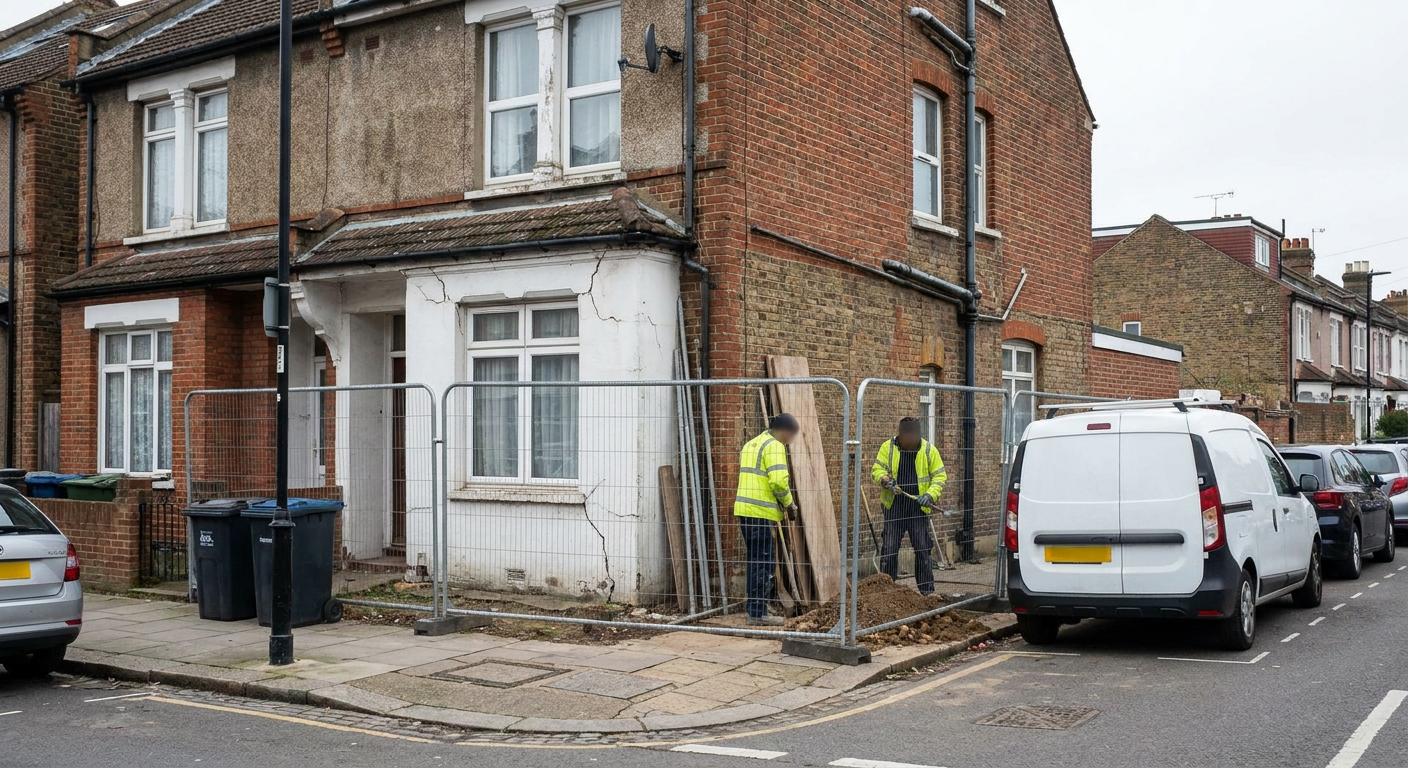
Questions about cracks at extension joins
Is a vertical crack where my rear extension meets the house subsidence?
Often it is differential movement rather than subsidence. The extension and the main house settle at different rates, especially on Ealing clay. A specialist checks whether the movement is ongoing or historical before categorising it. Isolated cracking at the join alone rarely qualifies as subsidence.
Why would extension foundations be a different depth in a 1930s semi?
Original 1930s footings were often shallow. Later building regulations required deeper trenches for extensions, particularly on shrinkable clay. So the extension foundations deeper than house footings respond differently to seasonal moisture changes, creating stress exactly at the rigid join between the two structures.
The crack opens in summer and closes in winter, should I be concerned?
Seasonal opening and closing is typical on London clay. Concern grows if the crack fails to close fully each winter, leaving a progressively wider gap year on year. Measuring the width at peak summer and again in winter helps a specialist determine if the movement is stable or worsening.
How wide does a crack at the join have to be before a specialist looks?
Gaps under two millimetres that do not grow are generally cosmetic. Once a crack reaches three millimetres, or if you can fit a coin into it, a specialist should assess it. Width alone is not the only factor; progressive widening matters more than a single measurement taken on one day.
Can the join be repaired permanently or will it keep reopening?
Rigid repairs like cement mortar will crack again because the two structures move independently. Flexible sealants accommodate ongoing movement. If the underlying soil issue is resolved through methods like resin injection or deeper foundations, the differential movement reduces and a permanent repair becomes possible.
Should the builder who built the extension come back to fix this?
If the extension is recent and covered by a warranty or guarantee, the original builder or warranty provider should inspect it first. However, many guarantees exclude ground movement caused by trees or drains. Check the specific terms before assuming the builder remains liable for the cracking.
Will my insurer treat this as differential movement or a subsidence claim?
Insurers distinguish between the two. Differential movement at an extension join, without broader structural distress, is often excluded from standard subsidence cover. A structural report clarifying the cause is usually required before an insurer decides whether the claim falls under their buildings policy or remains the homeowner's responsibility.
Is there a check I can do myself before paying for an inspection?
Mark the ends of the crack with a pencil and note the date. Measure the widest point using a ruler or feeler gauge. Repeat monthly. Photograph the crack in summer and winter. This record tells a specialist whether the movement is active, seasonal or static, saving time during their assessment.
Ask a specialist about your extension crack
Send details of the crack and its location. A specialist reviews what you describe and advises whether a site visit is needed. There is no fee for the initial enquiry and no obligation to proceed.
- No cost to enquire
- No obligation to proceed
- Specialist advice