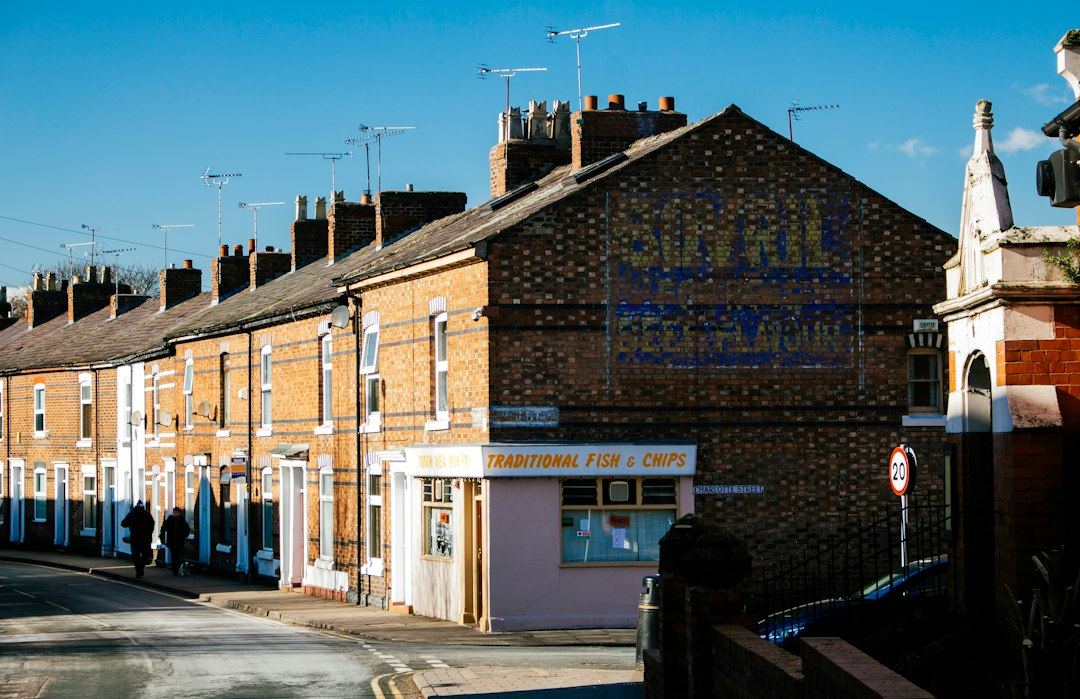
Ealing homes
Does subsidence always need underpinning?
Describe what you have noticed at home and find out which repair applies to your situation. There is no charge for an initial enquiry, and no obligation to proceed with any work.
Does subsidence always need underpinning in Ealing?
Underpinning is one of several subsidence repair options in Ealing. The right approach depends on the cause of movement, the soil beneath the house and how far the damage has gone.
When people ask if underpinning is always needed
The question does subsidence always need underpinning comes up constantly when a homeowner notices cracks opening in their walls. The answer is no. Underpinning is a specific response to a specific set of conditions, and many homes in Ealing never require it.
Much of the borough sits on London Clay, which shrinks when it dries and swells when it gets wet. That seasonal change causes movement that looks alarming but often stops once the moisture balance is restored. A specialist will investigate the ground, the drainage and the trees nearby before recommending any structural work. Jumping straight to foundations without understanding the cause can waste money and create new problems elsewhere.
For buyers or owners facing a surveyor's note about movement, the immediate step is finding out what is actually driving it. The cost of underpinning a terraced house in Ealing varies widely because the method depends on depth, access and soil type. Knowing whether you even need it matters more than pricing it prematurely.
Alternatives to underpinning a house
Tree management is frequently the first line of defence. Roots extract moisture from clay, causing it to shrink beneath foundations. If a mature oak or poplar is close to the affected wall, an arboriculturist may recommend crown reduction or removal. Once the tree is managed, the clay rehydrates and the movement often ceases without any ground work at all.
Drain repairs form another common alternative to underpinning a house. A fractured pipe leaking water into the soil can wash fine particles away or saturate clay unevenly. Fixing the drain stops the process. The specialist will typically run a camera survey to locate the fault, then excavate and replace just the damaged section.
Where the ground needs strengthening but full excavation is too disruptive, resin injection offers a way to stabilise the soil through small drilled holes. Screw piling is another option, driving steel piles to a firm stratum without the large trenches traditional underpinning requires. Both methods suit situations where access is tight, such as terraced streets in Acton or Southall.
Crack monitoring before repair begins
Before any structural work is recommended, specialists usually install crack monitors. These small devices fit across a fracture and record whether it widens, narrows or stays still over time. Monitoring establishes whether the movement is active or historic, and whether it follows a seasonal pattern tied to temperature and rainfall.
This period of observation typically lasts between six and twelve months. It feels like waiting, but it prevents unnecessary work. If the monitors show the crack opens each summer and closes again in winter, the problem may be thermal or related to shallow clay shrinkage rather than deep foundation failure. In those cases, redecorating and managing vegetation might be the only steps required.
A specialist reviews the readings alongside soil tests and drain surveys. Only when the data shows ongoing, progressive movement that cannot be resolved by addressing the cause will they propose underpinning. Rushing past this stage risks treating a symptom while the actual fault continues underneath.
Partial underpinning for one corner or bay
Not every case involves the whole house. Partial underpinning of one corner or a bay window is possible and sometimes preferable. Bays project beyond the main wall line and often sit on shallower foundations than the rest of the building. They move independently, so stabilising just the bay leaves the main structure untouched.
The same logic applies where damage is confined to a single elevation, perhaps where a large tree stood close to one side. Underpinning only the affected section limits excavation, reduces disruption and lowers the overall cost. However, the specialist must assess whether stiffening one part of the building could transfer stress to an adjacent wall. Soil conditions across the site dictate whether a partial scheme is safe.
In Ealing, where Victorian and Edwardian houses often have shallow footings, targeted work is common. The decision rests on the investigation findings, not on a preference for smaller jobs.
How the appropriate repair is decided
The choice of repair does not belong to a single party. An insurer funds the claim if subsidence is covered, but the technical decision rests with the structural engineer or geotechnical specialist carrying out the investigation. They examine trial pits, boreholes, drain tests and monitoring data to determine what the ground is doing and why.
Their report sets out the cause and recommends a solution. The insurer reviews this against the policy terms. If the cause is a leaking drain, the insurer may cover the resulting damage but expect the homeowner's buildings policy to handle the pipe itself. If a tree on council land is responsible, liability shifts again.
Homeowners should read the specialist's report carefully. It explains the reasoning behind whichever subsidence repair option is proposed, whether that is resin injection, screw piling, traditional underpinning or simply removing a tree. Understanding the basis for the decision makes the whole process less opaque.
What to look for before assuming underpinning is needed
Movement in a home shows itself through visible changes in walls, floors and openings. These signs indicate something is shifting below, but they do not automatically mean foundations must be rebuilt.
- 1
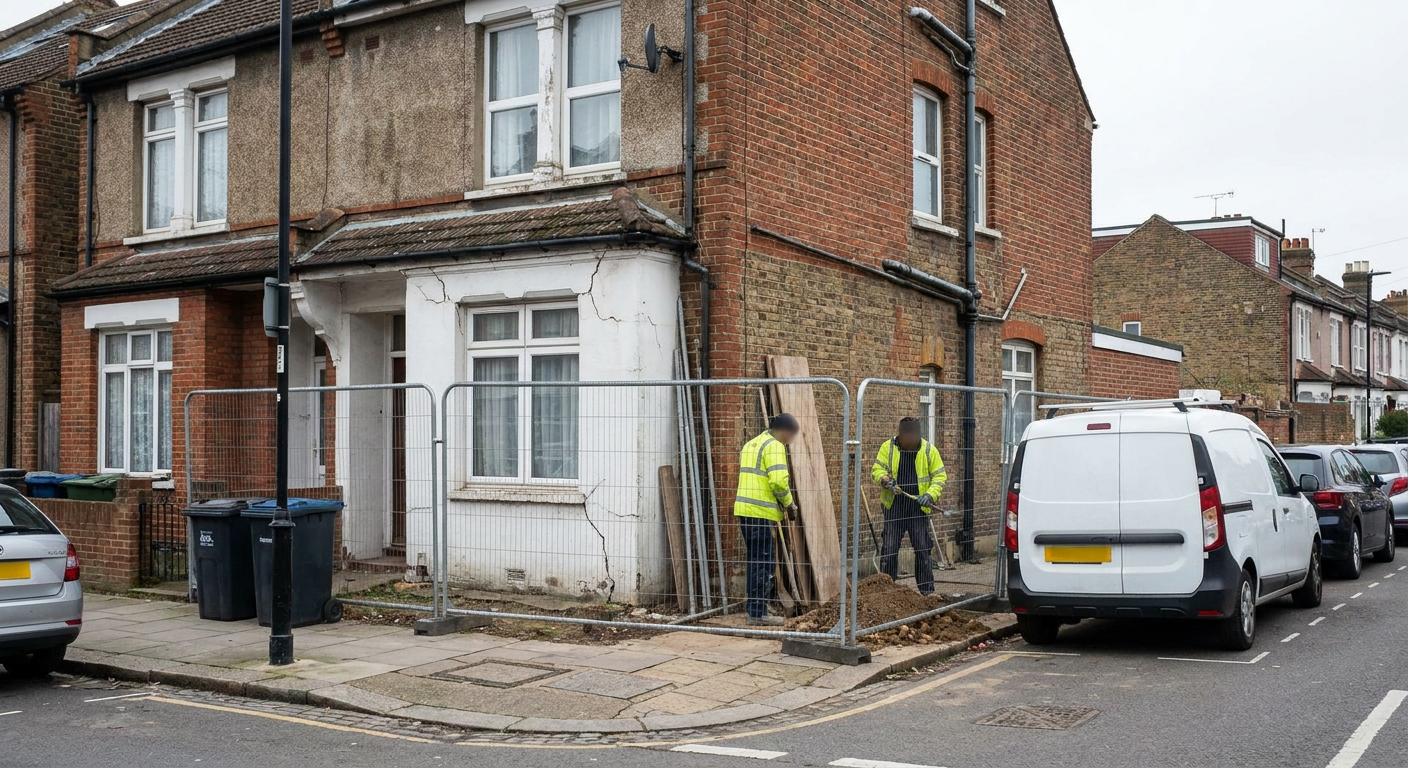
Diagonal cracks near openings
Cracks running at an angle from window or door corners suggest differential movement. They may widen over time or stay fixed after a single event.
- 2
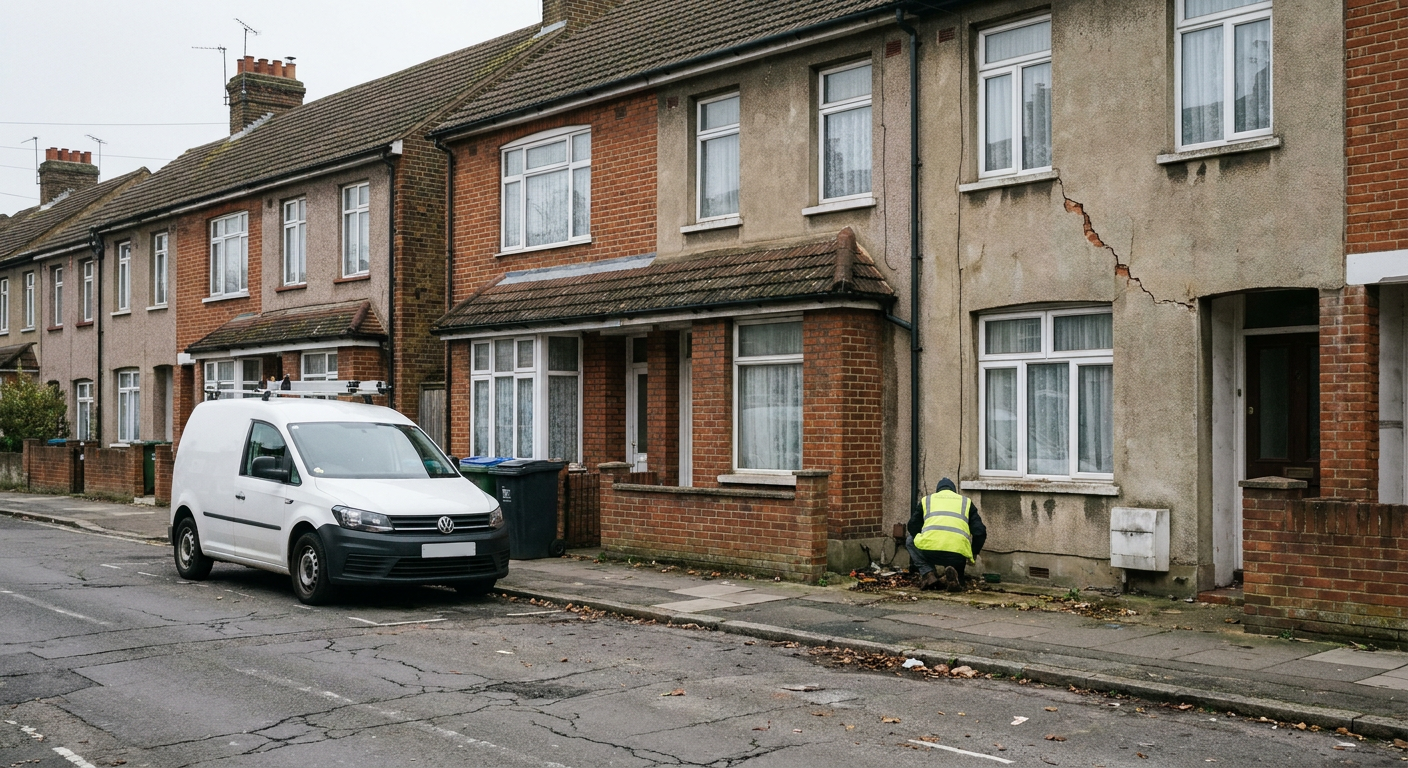
Doors and windows jamming
Frames distort when walls shift, making doors stick or windows hard to latch. This happens gradually and often worsens during dry spells.
- 3
Floors sloping noticeably
A ball rolls across a room that used to feel level. Sloping indicates settlement beneath floor joists or supporting walls.

- 4
Gaps at extension joints
A visible gap opening between the main house and an extension means the two structures are moving apart at different rates.
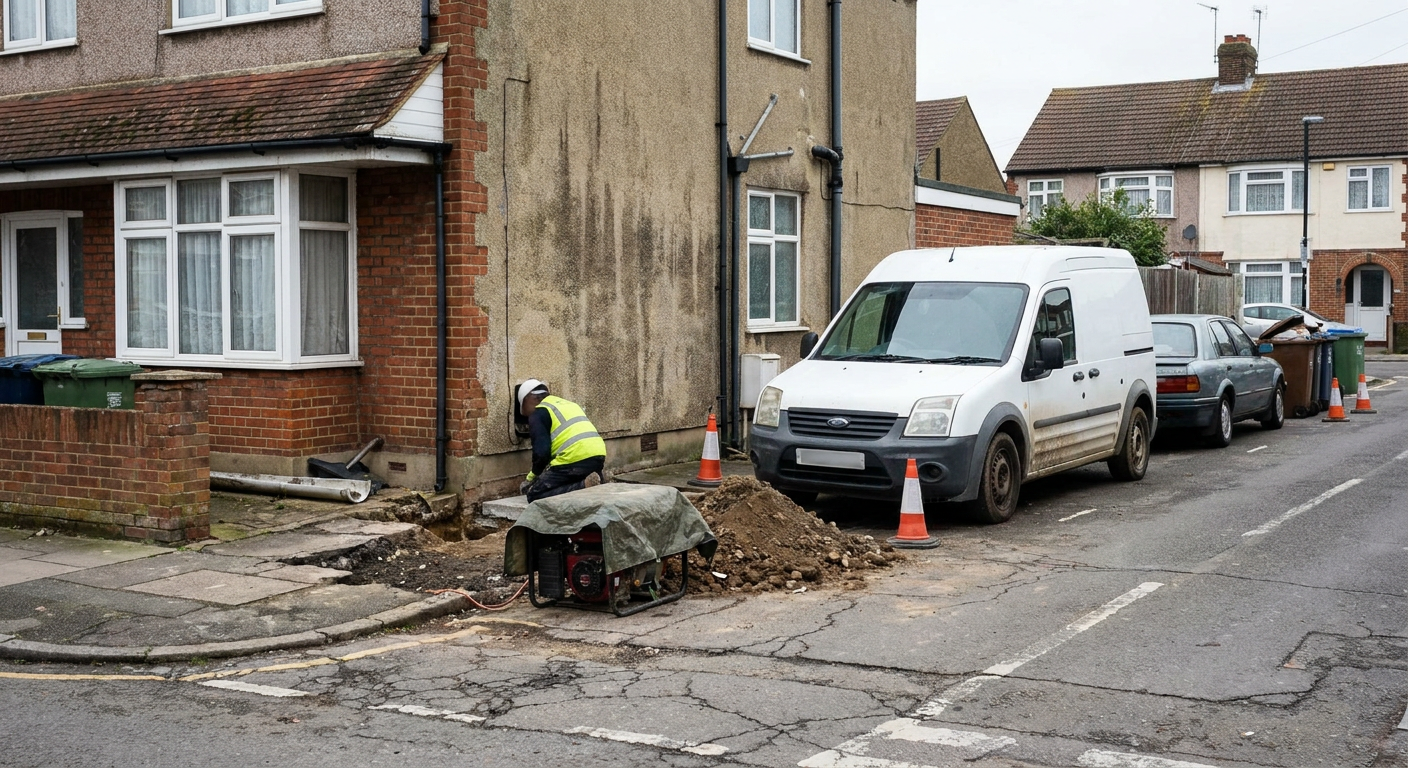
Questions about subsidence and underpinning
These are the questions homeowners in Ealing ask most often after noticing movement or receiving a survey report mentioning subsidence.
My surveyor mentioned subsidence, does my house need underpinning?
No. A surveyor flags risk or evidence of movement, but the cause determines the fix. Many subsidence cases in Ealing resolve through tree management or drain repair without touching the foundations.
What alternatives exist if the cause is a tree or leaking drain?
If a tree is extracting moisture from clay, pruning or removal lets the soil recover. For a leaking drain, repairing the pipe stops the erosion. Both address the root cause directly.
How does monitoring work and how long before a decision is made?
Small gauges fixed across cracks measure movement over six to twelve months. The readings show whether the shift is seasonal, ongoing or stopped, guiding the specialist toward the right repair.
Can you underpin only part of the house, like the bay or one corner?
Yes. Partial underpinning of one corner or a bay window is common where movement is localised. The specialist checks that stiffening one area will not push stress onto adjoining walls.
Will underpinning make my home harder to sell or insure later?
No. Buyers and insurers will ask for documentation showing the specialist completed the work properly and addressed the cause. A home in Ealing with a documented underpinning repair rarely becomes unsellable or uninsurable, provided the paperwork proves the movement has stopped.
How much disruption should I expect and can we stay in the house?
Most residents stay home during the work. Traditional underpinning involves trenches dug in sections, creating noise and dust. Methods like resin injection or screw piling generally produce less disturbance inside.
Who decides the repair, my insurer or the specialist?
The structural or geotechnical specialist recommends the repair based on their investigation. The insurer reviews that recommendation against your policy. The technical judgment belongs to the specialist, not the insurer.
If monitoring shows no further movement, what happens to the cracks?
Stable cracks remain until repaired cosmetically. Once monitoring confirms movement has ceased, filler and plaster restore the surface. Structural intervention is unnecessary if the ground has settled permanently.
Find out what the movement means for your home
Send details of what you have noticed and receive guidance on the next steps. This costs nothing and does not commit you to any repair work or insurance claim.
- No obligation to proceed
- Free initial guidance
- Local knowledge of Ealing