
Ealing homes
Cracks in plaster walls: when to worry
Describe the crack you have noticed and a specialist firm will tell you whether it points to ground movement or simple drying. There is no charge for this first look at your home.
Cracks in plaster walls: what they mean in an Ealing home
Shrinkage, joints and surface drying
Many enquiries start indoors because that is where you spend your time. A fine web of lines across a freshly skimmed wall is usually shrinkage as the new plaster dries out. Hairline cracks in new plaster are normal in the first few months, especially in older Ealing houses where central heating dries rooms quickly in winter.
A straight line running along the ceiling often follows the edge where two plasterboard sheets meet. The tape or filler bridging that joint can split as the timber above flexes with temperature changes. That kind of ceiling crack along a plasterboard joint rarely means the structure has moved. It usually just needs re-taping.
Lath and plaster walls behave differently. The thin wooden strips behind the plaster expand and contract with humidity. When lath and plaster cracking appears, the key holding the plaster to the laths may have broken. Filling the gap treats the symptom. The loose plaster behind it continues to shift, so the cracks keep reappearing after filling until the backing is secured.
When an internal crack reaches the brickwork
Surface damage stays on the surface. Movement in the ground does not. If a crack runs diagonally from a window corner toward the ceiling, or if you can see daylight through it when the curtains are drawn, the fracture may pass through the entire wall thickness.
Check the outside face of the same wall. Stepped cracking along mortar joints, or a gap opening where an extension meets the main house, suggests the foundations have shifted. In Ealing, heavy London Clay shrinks during dry summers and swells after wet winters. Tree roots pulling moisture from that clay make the problem worse. An internal wall crack becomes serious when it mirrors damage outdoors.
You do not need to guess. A structural surveyor inspects both faces of the wall, measures the width at several points, and checks whether doors nearby stick or floors slope. Those observations together show whether the ground beneath the house is moving or whether the plaster simply dried too fast.
What to photograph before asking for help
A clear picture saves time. Stand far enough back to show the whole wall, then take close shots where the crack is widest. Place a coin or ruler next to the gap so its width is obvious. Photograph the same crack from outside if it appears there too.
Note which room the crack is in, how long it is, and roughly when you first saw it. Mention any nearby trees, recent drain work, or sticking doors. Specialist firms use these details to decide whether a site visit is necessary or whether the marks point to harmless drying.
Hold off on redecorating until someone has looked. Paint hides evidence. If the crack moves over the coming weeks, fresh filler and emulsion will split again, wasting your weekend and your money. Wait for a view on the cause first. Read more about [subsidence signs in Ealing](/) or find out [how wide a serious crack is](/symptoms/widening-crack-how-wide-is-serious).
What to look for around your plaster cracks
Plaster cracks appear for many reasons. Some stay on the surface while others follow movement deeper in the wall. Look for these signs to understand what you are seeing.
- 1
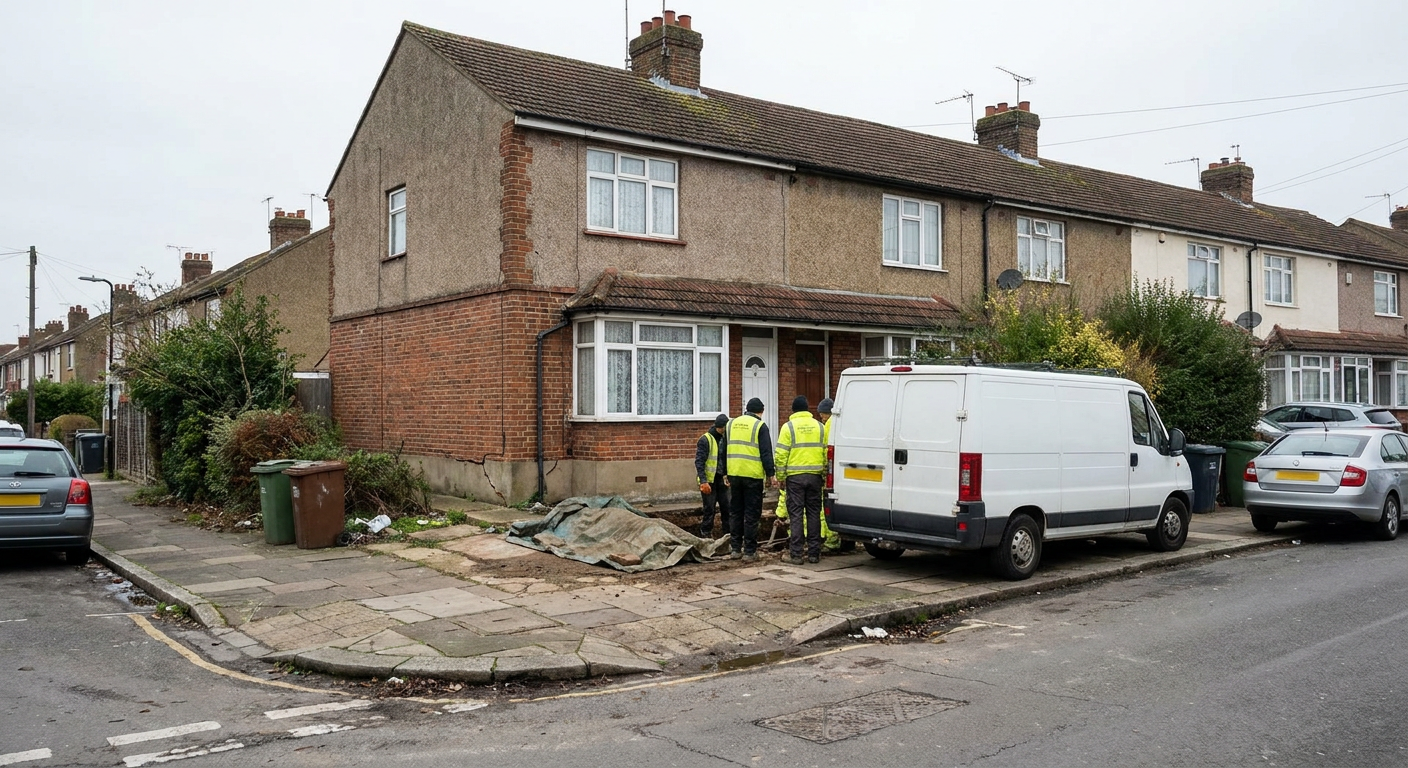
Fine map-like crazing
A network of shallow lines across one area. Usually surface drying in new plaster rather than structural movement.
- 2
Straight ceiling line
A single straight crack following a board edge. Often a failed plasterboard joint tape caused by timber flexing above.
- 3
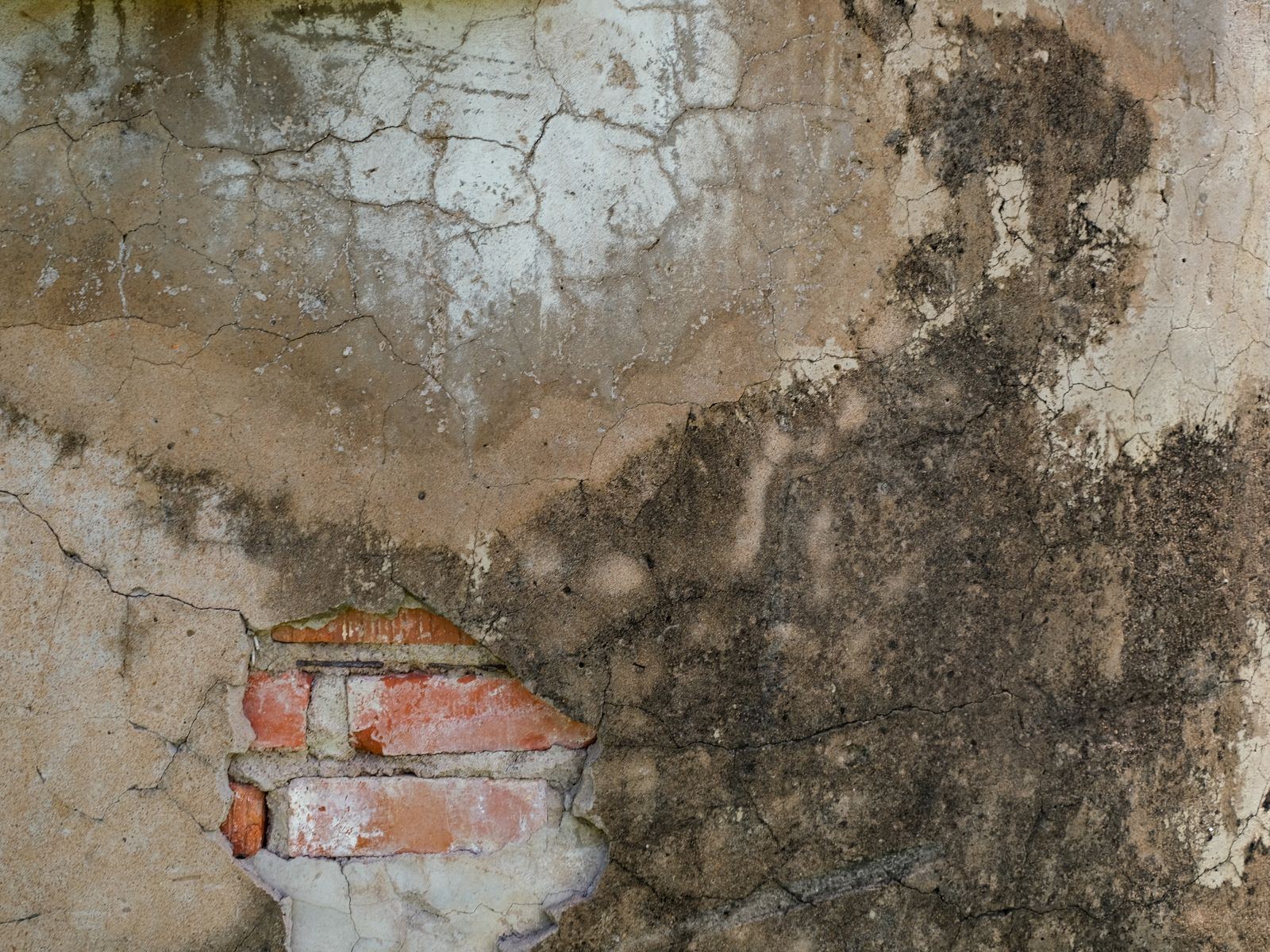
Diagonal crack from a corner
A line angling away from a door or window frame. Can indicate lintel movement or foundation shift if it widens.
- 4
Crack visible inside and out
The same fracture appearing on both faces of a wall. Suggests the movement passes through the full wall thickness.

- 5
Loose plaster around the crack
Hollow sound when tapped near the line. Points to failed lath keys or detached plasterboard adhesive.

Questions about plaster cracks in Ealing homes
Homeowners ask these things most often when they notice new lines appearing on their walls and ceilings.
- Fine cracks all over one wall
- New plaster shrinks as it dries. Fine hairline cracks across a single wall are usually harmless shrinkage, common in heated Ealing homes during winter.
- Straight cracks along the ceiling
- A straight ceiling crack often follows a plasterboard joint. Timber flexing with temperature changes splits the tape. It rarely signals structural trouble.
- Does the crack go through the wall?
- Check the outside brickwork in the same spot. If a matching stepped crack exists outdoors, the fracture likely passes through the full thickness.
- Cracks returning after filling
- Lath and plaster walls move as humidity changes. Filler only treats the surface. Until the broken keys behind the laths are fixed, cracks return.
- Redecorate now or wait?
- Wait. Fresh paint and filler hide evidence a surveyor needs. If the wall is still moving, new decoration will split again within weeks.
- Photographs a specialist needs
- Take a wide shot showing the whole wall and a close-up with a coin beside the crack for scale. Include the outside face if visible.
Ask about the crack you have found
Send a short description and your photographs. A specialist firm will review them and say whether the marks point to ground movement or surface drying. There is no obligation to proceed.
- No fee for the first look
- Specialist firms do the work
- Your photos guide the reply