
Ealing homes
Common questions about subsidence
Find out what the crack means and what to do next. Describe what you see at home and a specialist firm will tell you if it needs attention, without any cost or obligation.
Answers to common questions about subsidence
What are the first signs I should look for in an Ealing house?
A subsidence signs checklist usually starts with cracks that taper, wider at one end than the other. Stepped cracking running through mortar joints in brickwork is one pattern. Another is a door or window that used to close easily but now drags on its frame. Wallpaper tearing near the ceiling line where a wall meets a partition can also point to movement.
In Ealing, many older houses were built on London Clay. This soil shrinks when it dries out and swells when it gets wet. That seasonal change puts pressure on shallow foundations. A bay window pulling away from the main wall, or a visible gap opening where an extension joins the original house, often shows up first because those parts have separate footings.
None of these signs proves subsidence on its own. Plaster shrinkage, thermal expansion and normal settlement all leave marks too. But noticing them early means a specialist can record their size and position before they change further.
How do I know if a crack is serious enough to get checked?
People who wonder how serious is this crack usually start by measuring its width. A hairline crack under one millimetre across is common in most homes and rarely points to structural trouble. Once a crack reaches three millimetres or more, or you can fit a coin into it, the ground beneath the foundation may be moving.
Shape matters as much as width. A crack that runs diagonally across a wall, especially one that steps along mortar lines rather than cutting straight through bricks, suggests differential movement. Cracks above doors and windows sometimes mean a lintel has shifted. Internal plaster cracks that mirror external ones confirm the wall itself is moving, not just the surface finish.
Timing gives another clue. If a crack opens wider in late summer and narrows again after winter rain, clay soil foundations in London are likely shrinking and swelling with the seasons. A crack that keeps growing regardless of weather needs attention sooner. Marking the ends with a pencil and dating them helps track whether it is active.
What does the first visit from a subsidence specialist involve?
Understanding what a subsidence survey covers removes some of the worry about inviting someone to your home. The specialist walks around the outside first, looking at the brickwork, the pointing and the ground levels. They check drains, downpipes and gullies for leaks that could wash soil away. Trees and large shrubs near the walls get measured for distance and species, since roots draw moisture from clay.
Inside, the specialist maps every crack they find, noting width, direction and which rooms they appear in. They check whether floors slope using a level, and test whether doors and windows still sit square in their frames. Photographs record everything so future visits can compare progress.
After the inspection, the specialist writes a report explaining whether the movement looks like historic settlement, seasonal clay shrinkage or active subsidence. If monitoring is needed, they fix small gauges across the worst cracks to measure changes over several months. Only once enough data exists do they recommend a repair method, which might range from managing nearby trees to resin injection or screw piling.
Should I claim on insurance before speaking to a specialist?
A common question about claiming on subsidence insurance is whether to phone the insurer first or call a specialist. Buildings policies usually cover investigation and repair costs, so contacting the insurer early makes sense. But having a specialist inspect the damage before the insurer sends a loss adjuster gives you a clearer picture of what is happening to your home. The specialist records the evidence while it is fresh. Insurers rely on reports from engineers and surveyors to decide if a claim is valid. Independent documentation means the facts are established before the loss adjuster arrives. It stops minor plaster cracks from being logged as major structural events, or real movement from being dismissed as cosmetic. In Ealing, where clay soils make ground movement relatively common, insurers expect claims and have processes for them. Some policies require notification as soon as you suspect a problem. Delaying notification can give an insurer grounds to refuse part of the payout later.
How long does a typical case take from inspection to finished repairs?
Subsidence cases move slowly because the ground itself needs time to prove whether it has stopped shifting. After the first inspection, a specialist usually installs crack monitors and asks you to wait through at least one full cycle of seasons. Summer drying and winter wetting show whether the movement is ongoing or settled.
If monitoring confirms active subsidence, the next step depends on the cause. Removing or pruning a tree responsible for moisture extraction can stabilise the ground within months. Repairing a leaking drain works on a similar timescale. When underpinning is required, the design, approvals and physical work add several more months. Resin injection or screw piling methods can shorten the construction phase compared with traditional mass concrete underpinning.
From the day a specialist first visits an Ealing home to the final decoration, twelve to eighteen months is a realistic expectation for a straightforward case. Complex situations involving party walls, listed buildings or disputes between neighbours and their insurers take longer. Patience during the monitoring phase saves money later, because repairing a wall before the ground has settled means doing the work twice.
Do I have to tell a buyer about subsidence repaired years ago?
Selling a house with past subsidence raises legal questions. In England, sellers must answer questions on the TA6 property information form honestly. One question asks directly whether the property has ever been affected by subsidence, heave or landslip. Answering falsely or leaving it blank when you know the history risks a misrepresentation claim after completion.
Buyers in Ealing are aware that clay soil affects many streets. A documented repair backed by a guarantee from the contractor and sign-off from building control can actually reassure a purchaser. Lenders want to see that paperwork before approving a mortgage. Without it, valuers may down-value the home or flag it as unmortgageable until further investigations happen.
Keep every document: the original survey, the engineer's specification, invoices, certificates and correspondence with insurers. If the work was done decades ago and records are lost, explain that clearly rather than guessing. A buyer's solicitor will ask for evidence anyway, so gathering it before marketing the home avoids delays.
Why is clay soil mentioned so often in west London?
Most of Ealing sits on London Clay, a geological layer that reacts strongly to changes in moisture. When rain falls steadily through winter, the clay absorbs water and expands slightly. During dry summers, especially prolonged ones, the clay loses moisture and shrinks. Foundations resting on this soil move with it.
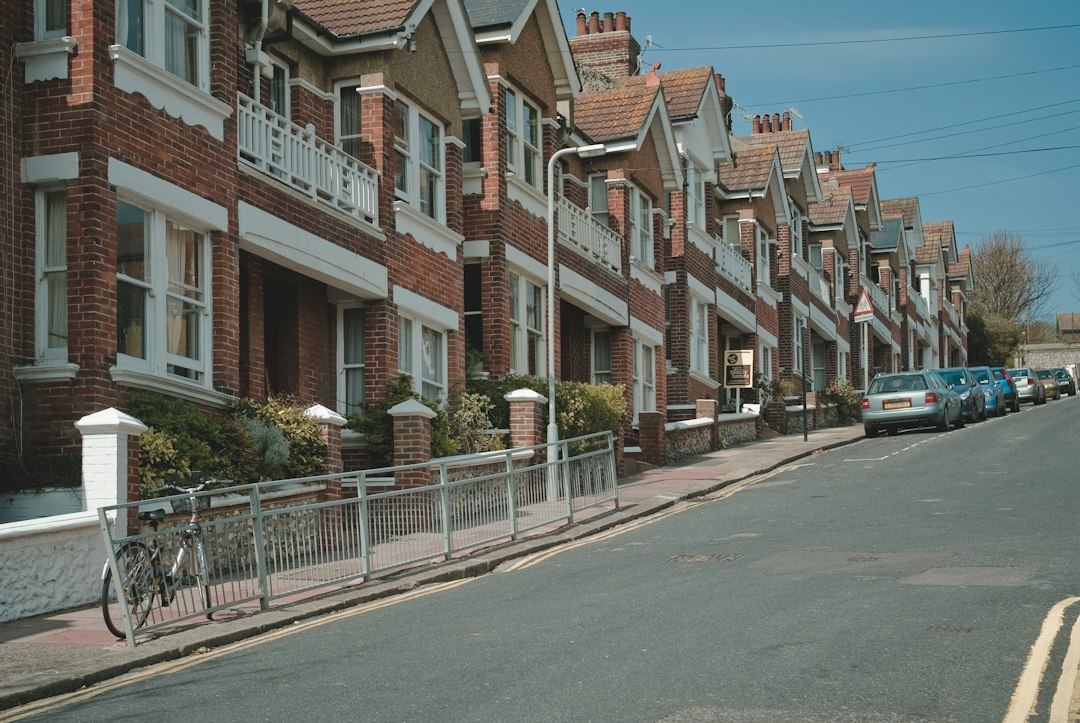
This behaviour explains why clay soil foundations in London feature in almost every discussion about subsidence. Shallow strip foundations, common in Victorian and Edwardian houses across Southall, Acton and Hanwell, sit within the zone where seasonal moisture changes reach. Deeper foundations bypass the active layer, but many older homes lack them.
Trees amplify the effect. A mature oak or willow extracts thousands of litres of water from the ground each year, drying the clay far beyond what sunshine alone would achieve. When roots grow beneath a footing, the soil shrinks unevenly, tilting the foundation. Perivale, Greenford and Northolt all have streets lined with large trees planted when the estates were built, making root-related movement a familiar issue for local specialists.
Will filling the crack hide the problem or make it worse?
Filling a crack with standard decorator's filler makes a wall look better temporarily. It does nothing to address why the crack appeared. If the ground beneath the foundation is still moving, the filler will split again within weeks or months. Repeated filling builds up layers that mask the true width of the gap, making it harder for a specialist to assess the severity later.
Flexible sealants accommodate some movement, so they last longer than rigid fillers. But they still treat the symptom rather than the cause. Covering a crack also removes a visual warning. A widening gap that goes unnoticed behind paint and filler can allow a wall to lean further before anyone intervenes.
The practical approach is to leave the crack visible until a specialist has recorded it. Once monitoring is in place or repairs are complete, proper reinstatement follows. That means raking out loose material, repointing brickwork or replacing damaged plaster so the repair matches the surrounding wall structurally, not just cosmetically.
Spotting movement before it damages your home
Ground movement leaves marks that follow patterns. Knowing where to look around your home helps you notice changes early, before small cracks widen into costly problems.
- 1
Diagonal cracks in brickwork
Cracks stepping through mortar joints, often wider at the top, suggest one part of the wall has dropped relative to another.

- 2
Doors catching on frames
A door that sticks or will not latch may mean the frame has twisted as the wall around it shifted position.
- 3
Floors sloping noticeably
A ball rolling across a room or furniture leaning to one side can indicate the floor joists have tilted with the ground.
- 4
Gaps around window sills
Daylight showing between a window frame and the masonry often means the opening has distorted as the wall moved.

Working out how quickly you need to act
Figuring out urgency matters more than naming the fault right now. Only a site inspection determines the cause. These guidelines help you decide whether to pick up the phone today or keep watching over the coming months.
-
A crack wider than a two-pound coin that appeared in the last few weeksToday
Rapid widening suggests active ground movement that could affect the structure if left unmonitored for too long.
What to do Ask a specialist to inspect the wall and install crack monitors as soon as possible.
-
A bay window that has visibly dropped or pulled away from the main wallToday
Bay windows often have shallow foundations separate from the house, making them vulnerable to early subsidence.
What to do Request an urgent assessment before the gap allows water into the wall cavity.
-
Internal doors sticking seasonally but freeing up again after heavy rainSoon
Seasonal sticking usually points to clay shrinkage in summer rather than continuous downward movement.
What to do Mention it to a specialist before next summer so monitoring can begin early.
-
Fine cracks in plaster that have stayed the same width for over a yearWorth watching
Stable hairline cracks are often historic settlement or plaster drying out when the house was built.
What to do Mark the ends with a pencil and date them. Check again in six months.
-
A garden wall leaning outward with new cracks at the baseSoon
Boundary walls lack deep foundations and lean when soil dries or tree roots push against them.
What to do Have a specialist check whether the wall risks collapsing onto a path or driveway.
Nothing here diagnoses your specific home. If a crack appears suddenly or widens fast, contact a specialist immediately rather than waiting.
Tell us what you have noticed at home
Describe the cracks or movement you see. A specialist firm will review the details and advise whether your home needs an inspection. There is no fee for this initial advice and no commitment to proceed with any work.
- No obligation
- Free initial advice
- Local specialists