
Crack width guide
How wide is a serious crack in a wall?
Find out what the crack means before you spend anything. Describe what you see and a specialist firm will tell you if it needs attention, with no charge for that first look.
How wide is a serious crack
Millimetres alone do not tell you much
People searching for how wide is a serious crack often expect a single number. There is no safe line where a hairline crack becomes dangerous. A three-millimetre gap running straight down a plastered wall might be drying shrinkage. The same width stepping through mortar joints could point to foundation movement.
Direction matters more than measurement. Vertical cracks often follow the natural settling of a house as materials dry out over years. Diagonal cracks suggest one part of the building has dropped relative to another. In Ealing, where London Clay shrinks and swells with the seasons, diagonal cracking near trees or drains frequently signals subsidence rather than simple settlement.
The shape of the opening tells its own story. If a crack tapers, wider at the top and tight at the bottom, the wall above has moved outward or downward from that point. This tapered crack wall meaning is something a structural surveyor looks for immediately. It points toward differential movement in the foundations beneath that specific section of the house.
Through the brick or just the plaster?
A crack confined to internal plaster is usually superficial. Plaster dries, shrinks and splits without any underlying structural cause. You can read more about this in the guidance on cracks in internal plaster.
But when a crack passes through the brickwork outside as well, the movement has affected the masonry itself. That changes things. Brick does not crack from drying out. It cracks because the wall behind it has shifted enough to break the bond between units. A crack through brickwork outside, especially one following the mortar lines in a stepped pattern, requires professional assessment.
If you notice a crack above a window frame or door, the lintel supporting the wall above may be failing or rotating. Cracks appearing where an extension joins the main house often show the two structures moving independently. Each location narrows down the likely cause. The millimetre count remains secondary to where the crack sits and what materials it breaks through.
When to worry about crack width
Homeowners ask about crack width when to worry because they want certainty. Broadly, anything under two millimetres that stays put is unlikely to be structural. But context overrides rules. A five-millimetre crack that appeared overnight after heavy rain demands faster attention than one that crept to that size over twenty years.
Is a 5mm crack serious? It can be, particularly if it runs diagonally across a load-bearing wall or opens up alongside sticking doors and windows. Those secondary symptoms confirm that frames are distorting along with the walls. Sloping floors add further weight to the concern.
Seasonal behaviour also matters. Some cracks open each summer as clay dries and close again in winter. This cyclical movement confirms clay shrinkage is involved. Nearby trees draw moisture from the ground, accelerating the process. Leaking drains wash soil away, creating voids. All these factors make a moderate crack more worrying than a larger one in stable ground.
Recording a crack week by week
To monitor a wall crack at home effectively, pick fixed points and measure between them. Do not rely on memory or rough estimates. Use a ruler or buy a plastic crack gauge from a hardware store to measure the crack with gauge markings accurately.
Mark the ends of the crack lightly in pencil so you know if it extends. Then measure the widest point. Write down the date, the width, and whether any doors nearby have started sticking since your last check. Take a photograph from the same distance and angle each time.
Do this once a week for four to six weeks. If the numbers stay identical, the movement has likely stopped. If they increase, even by a fraction of a millimetre each visit, the ground beneath is still shifting. A specialist surveyor uses exactly this kind of record to distinguish historic damage from active subsidence. Without dates and measurements, they are guessing.
How long to watch before calling someone
If a crack appears suddenly, is wider than three millimetres, or runs diagonally through brickwork, do not wait weeks to observe it. Call for a subsidence survey in Ealing straight away. Sudden movement suggests something has changed rapidly underground, like a burst pipe or a tree root severing a drain.
For smaller, slower cracks, four to six weeks of monitoring gives useful data. Record the measurements as described. If nothing changes, you have peace of mind and a documented history should the issue return later.
When you do seek help, the first step a specialist takes is a site inspection. They examine the crack pattern, check levels inside the house, and assess the soil type. In Ealing, that almost always means London Clay. They may recommend trial holes or drain testing. Depending on what they find, repair options range from resin injection to stabilise the ground, screw piling to reach firmer strata, or traditional underpinning. The right method depends entirely on the cause, which the initial survey establishes.
Signs your crack needs attention
Width alone rarely decides if a crack matters. Look for these patterns around your home. Any one of them suggests the movement is structural rather than cosmetic.
- 1
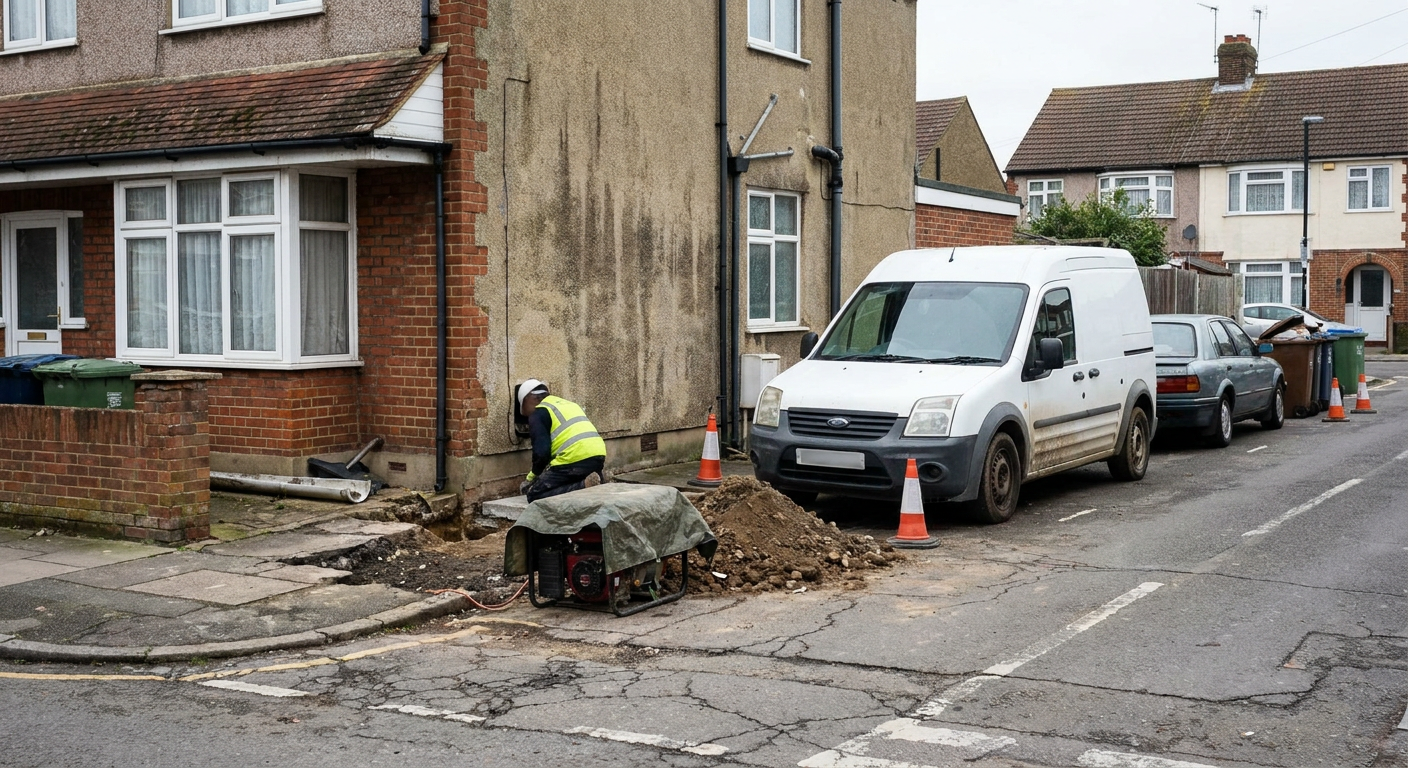
Diagonal cracks across walls
A crack running at an angle across brickwork or plaster often means one side of the wall has dropped lower than the other.
- 2
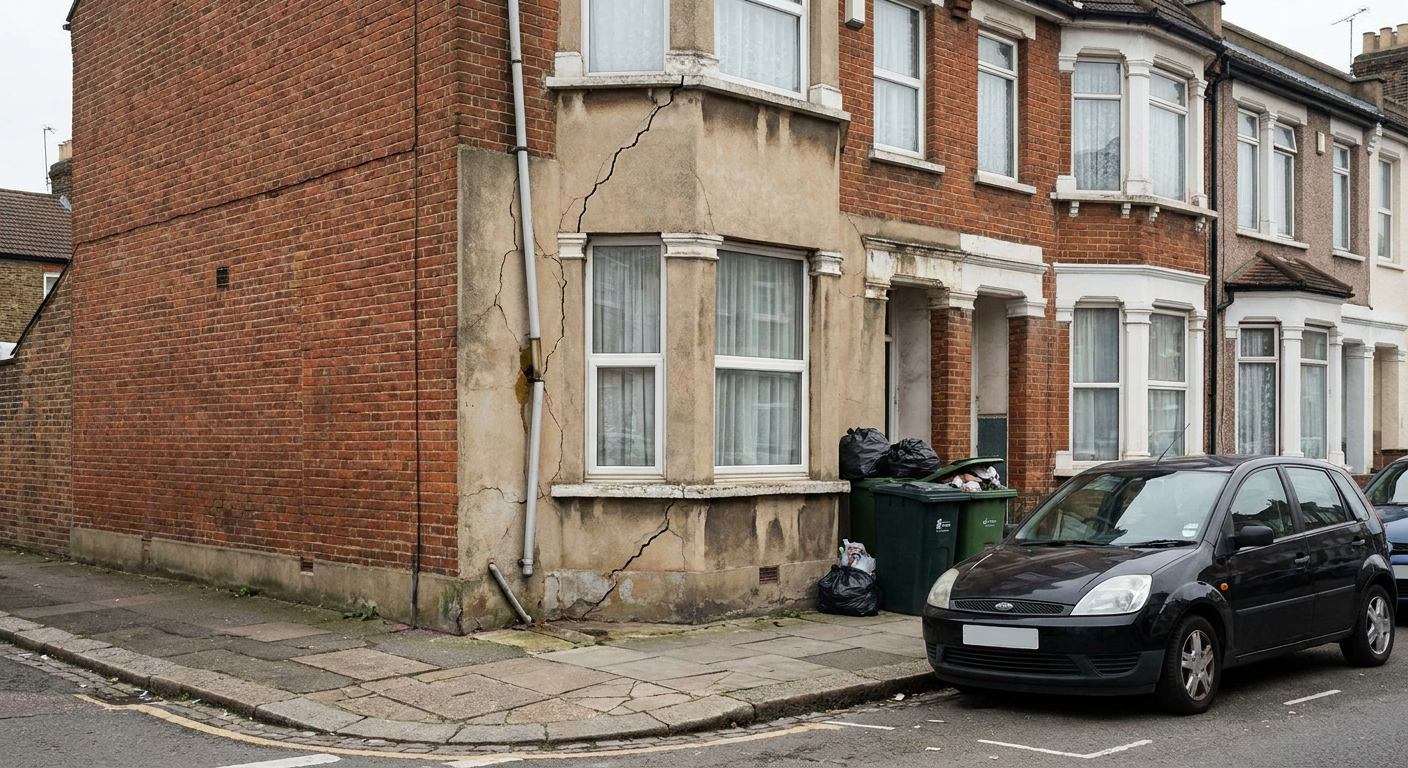
Tapering from top to bottom
If the gap narrows as it goes down, the upper section has moved outward. This points to foundation shift below that area.
- 3
Cracks through external bricks
Splits cutting through bricks or mortar outside mean the whole wall thickness has fractured, not just the surface finish.

- 4
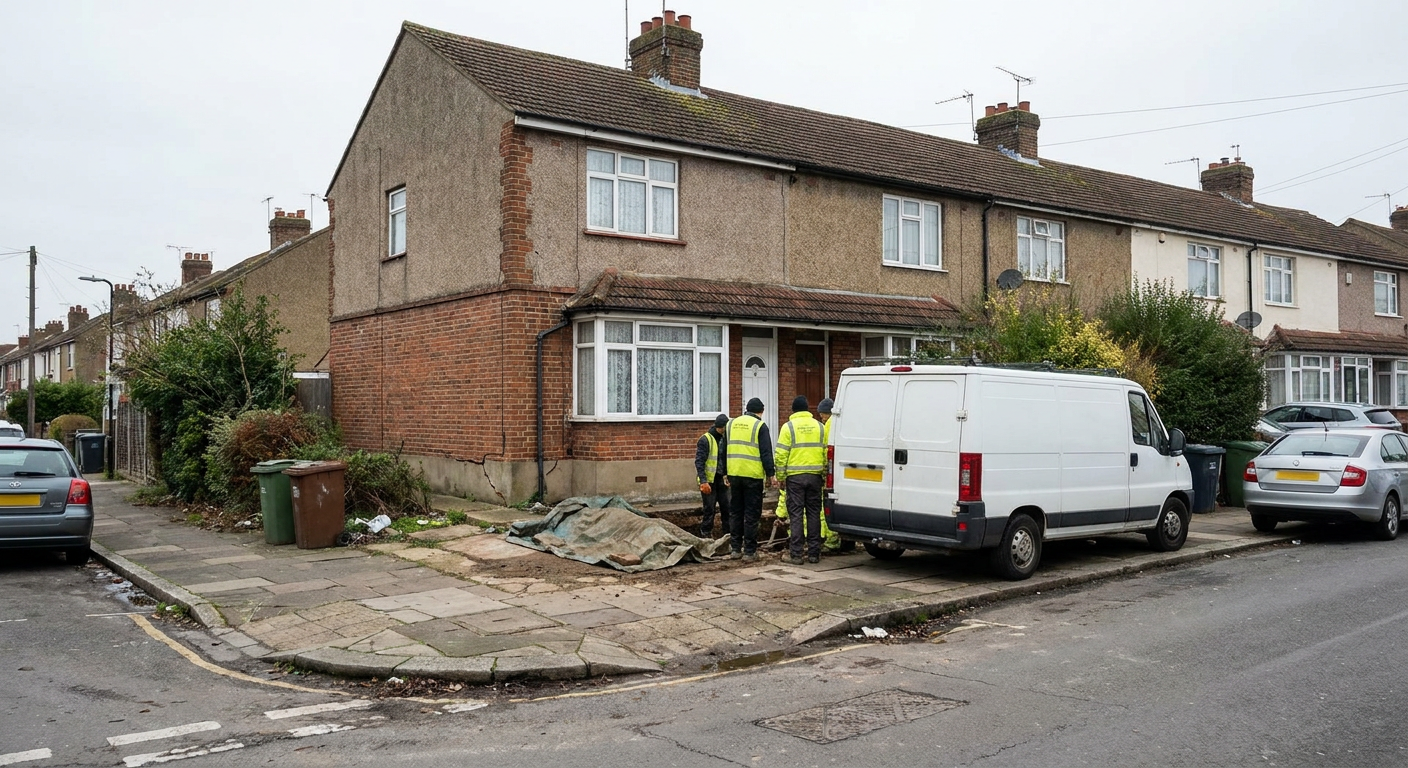
Doors catching on frames
When doors or windows start sticking without humidity changes, the surrounding frame has distorted because the wall moved.
- 5
Widening over several weeks
A crack that grows measurably week by week shows active ground movement rather than old, settled damage.
Questions about crack width in Ealing homes
These are the things homeowners in Ealing typically ask when they first notice a crack.
- Is three millimetres worth acting on?
- In Ealing clay, yes. Three millimetres through masonry warrants a survey, even if plaster cracks of that size are often harmless.
- Does tapering matter?
- A tapered crack wall meaning is clear: the wider end shows where movement originates. Surveyors use this shape to locate the fault.
- Through brick and plaster?
- A crack through brickwork outside confirms structural movement. Plaster alone splits easily; brick only fractures under real stress.
- How to record it weekly?
- Use a ruler or measure crack with gauge marks. Note the date, width, and take photos from the same spot each week.
- How long to watch it?
- Four to six weeks for slow cracks. For sudden, wide, or diagonal splits, arrange a survey immediately without waiting.
- Diagonal versus vertical?
- Vertical cracks often reflect drying shrinkage. Diagonal ones indicate differential settlement, which is more likely to need repair.
Tell us what you have found
Send the details of your crack and a specialist firm will review them. There is no fee for this first look and no obligation to proceed with any work they suggest.
- No cost to ask
- No obligation
- Local specialists