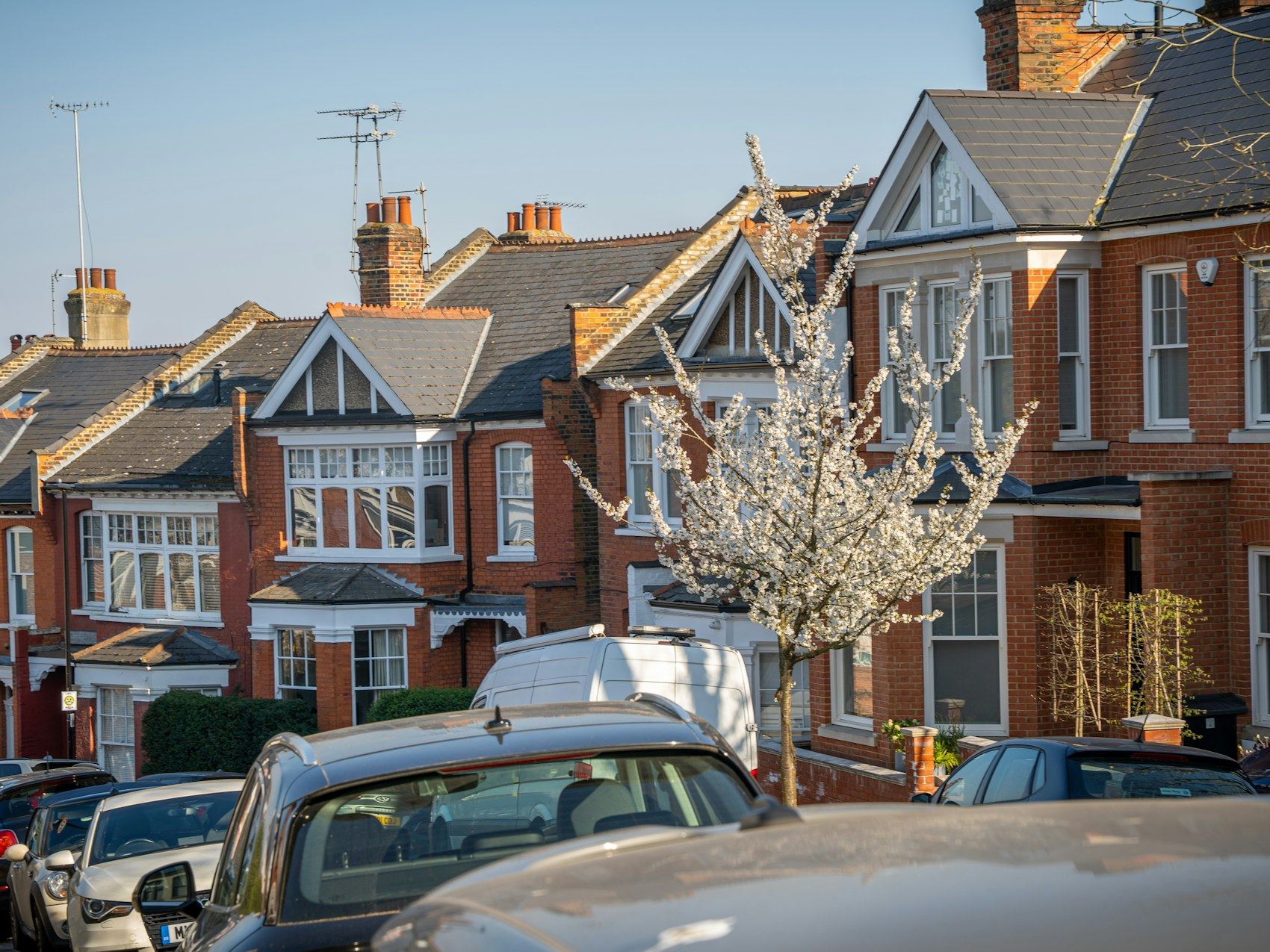
Hanger Hill
Subsidence in Hanger Hill: cracks and what to check
Describe the cracks or movement you have noticed at your home. A specialist will review what you send and explain whether it points to subsidence, with no charge and no obligation to proceed.
Repair options for moving ground
Different causes need different fixes. The right approach depends on the soil beneath your home, how far the footings have moved, and what the building is made from.
-

Subsidence help
A specialist surveys the home, records crack widths and checks drains and trees before recommending a course of action.
-
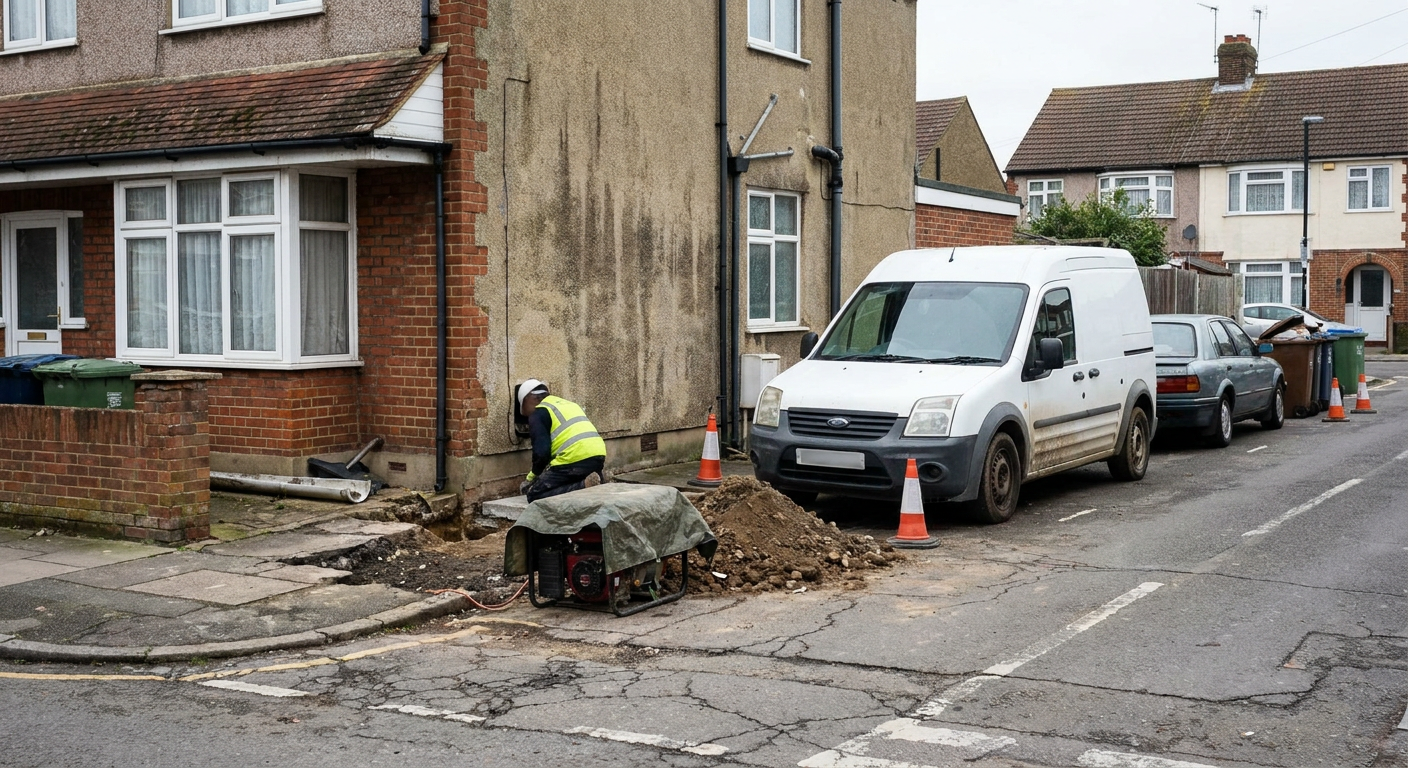
Underpinning
The contractor excavates below the existing footings and pours new concrete to reach stable ground beneath the foundation.
-
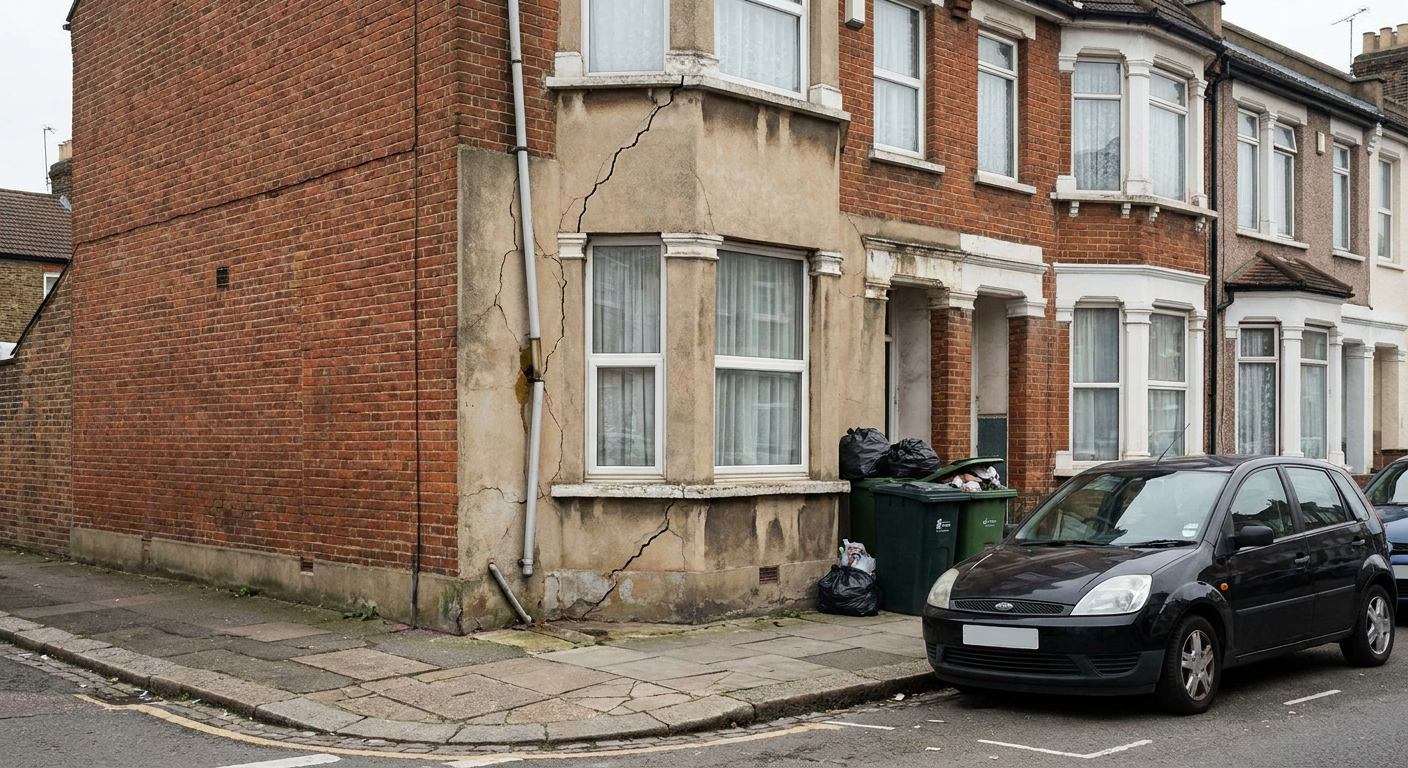
Resin injection
A technician pumps expanding resin into voids under the slab, compacting loose soil and lifting settled sections back toward level.
-
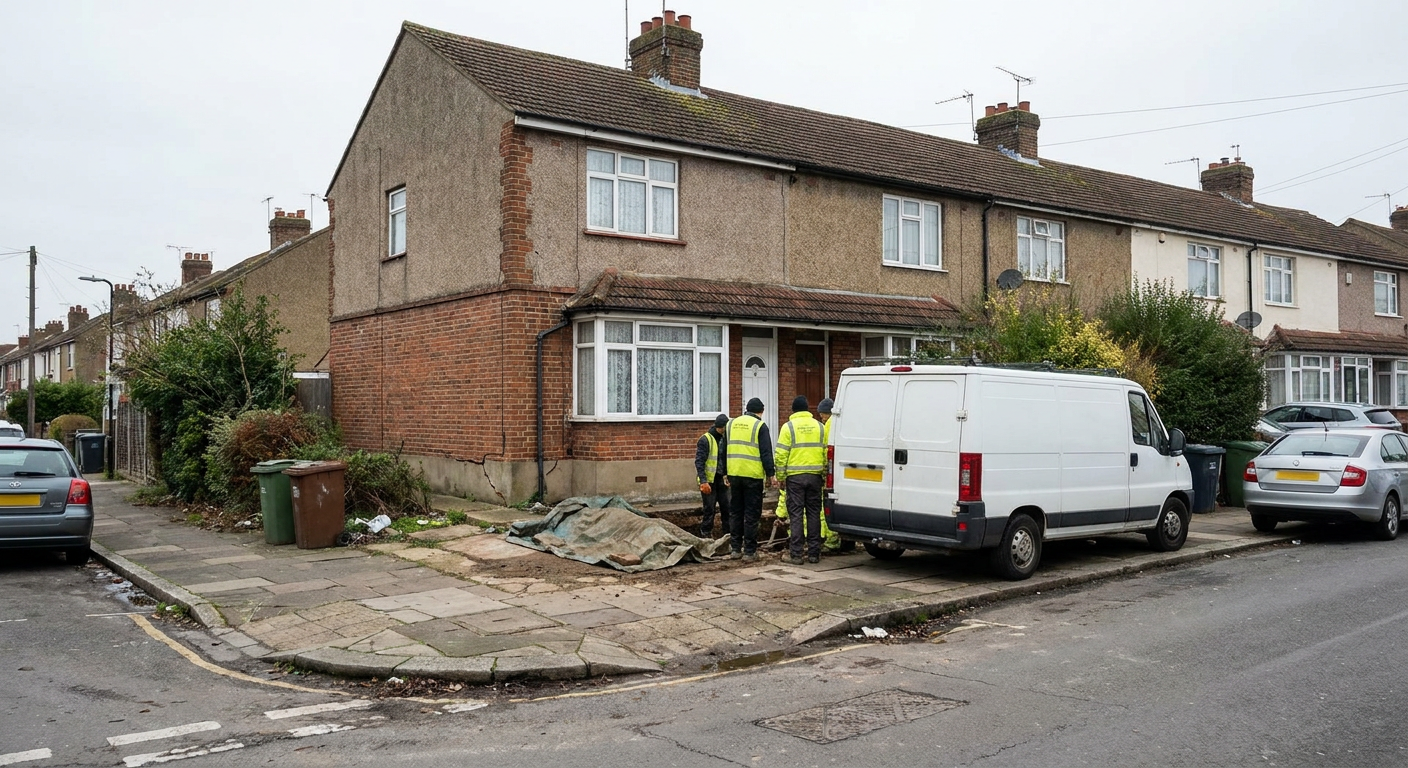
Screw Piling
An installer drives steel piles through unstable clay until they bite into firm load-bearing strata deep below the surface.
-
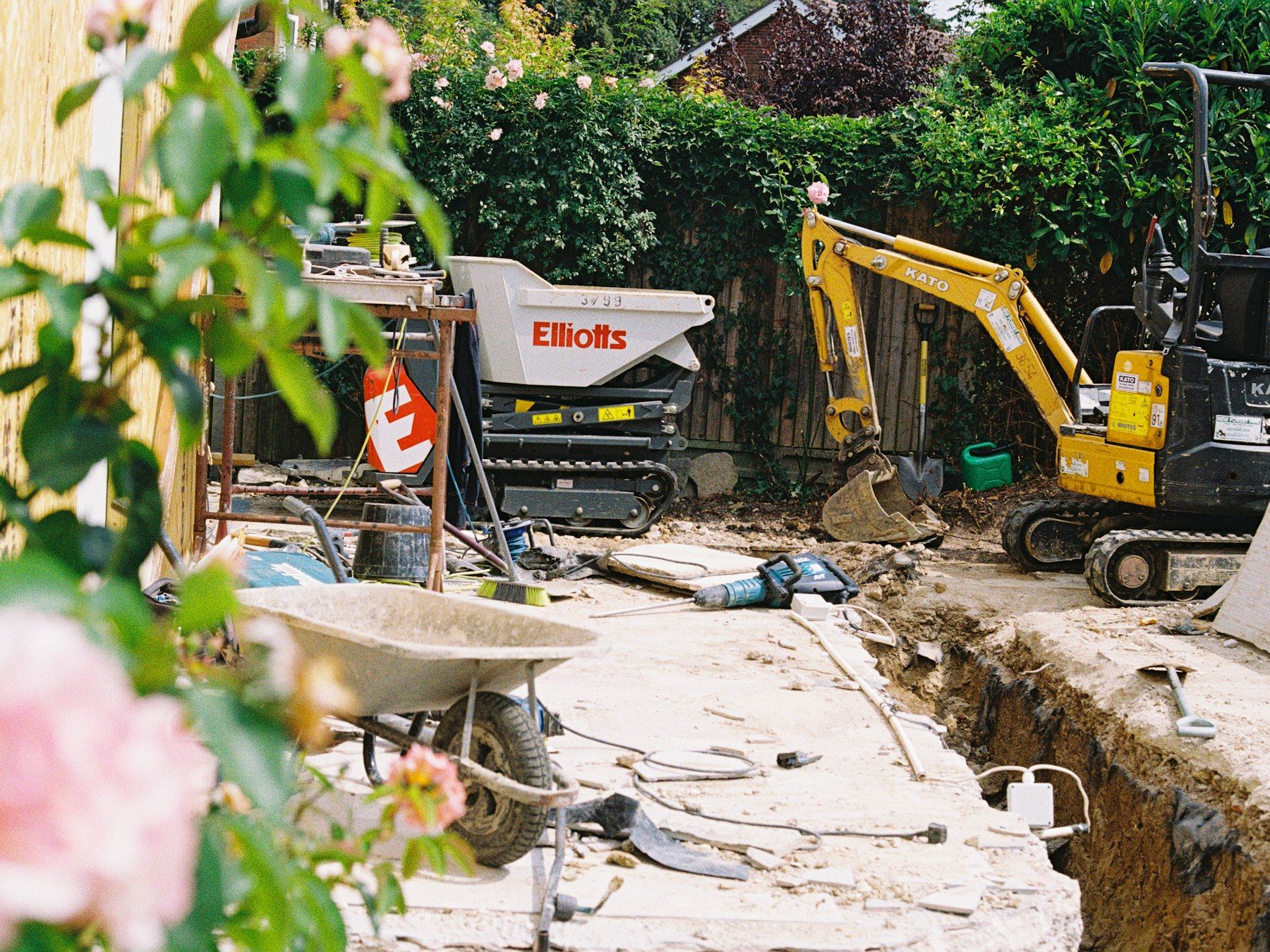
Concrete Cracking
The repair team cuts out damaged slabs, addresses the cause of the movement and lays fresh concrete to restore the floor.
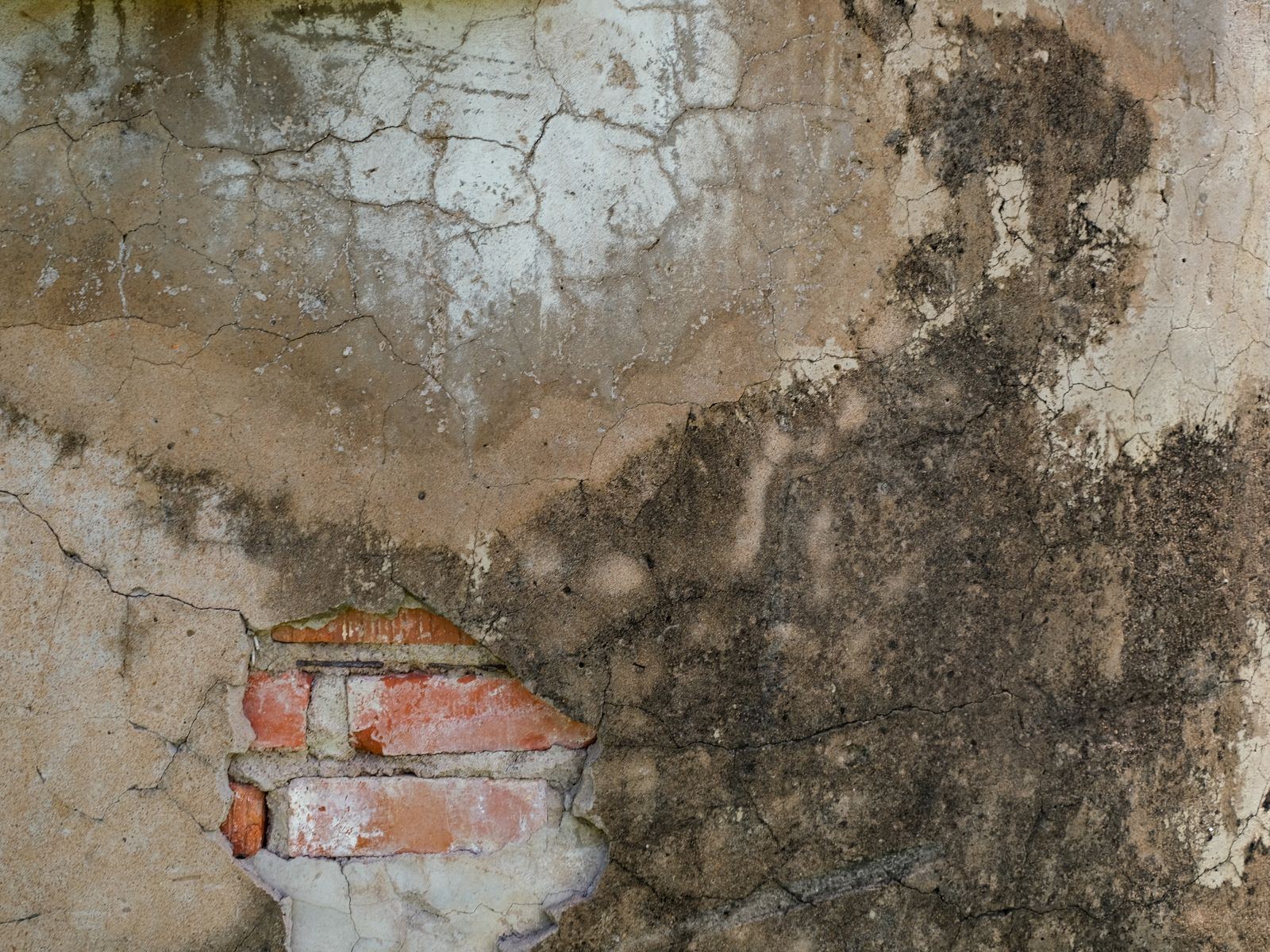
Local geology
Why Hanger Hill houses move
Art deco and interwar properties built into sloping hillside contours require careful monitoring of retaining structures and footings.
- Sloping clay ground Clay shrinks when dry and swells when wet, moving footings on slopes.
- 1930s shallow footings Interwar builders poured foundations much shallower than modern regulations now demand.
- Mature garden trees Large roots extract moisture from the clay, drying it unevenly beneath the house.
- Retaining walls Garden terraces hold back earth that presses against original brickwork over decades.
Subsidence services in Hanger Hill
The estate sits on London Clay that slopes downhill. That combination shapes which repair method a specialist recommends for a 1930s detached or semi-detached house here.
-
Subsidence help in Hanger Hill
If a 1930s detached house on Hanger Hill sits on a slope and one corner is dropping, the specialist measures the gradient and checks the clay. They record hanger hill estate house cracks, set up crack monitoring to see how long movement takes to stabilise, and advise whether to claim on buildings insurance or arrange an independent assessment first.
-
Underpinning in Hanger Hill
Sloping clay sites often need deeper underpinning than flat ones because the downhill footing carries more lateral pressure. A specialist excavating beneath a bay window works in short pinned sections to avoid undermining the projecting masonry. They manage disruption to front gardens and driveways carefully, and once the ground is stable, repaired cracks usually need replastering and redecorating afterwards.
-
Resin injection in Hanger Hill
Where tree roots cause house subsidence in Ealing, removing mature trees can actually make cracks worse as the clay rehydrates and heaves upward. A specialist may recommend resin injection instead. They pump structural resin into the shrinking clay beneath 1930s semis on clay soil, filling voids left by root extraction without disturbing established trees in the garden.
-
Screw piling in Hanger Hill
Screw piling works well on a sloping site where foundation movement follows the contour of the hill. If a rear garden is only accessible through the house, a specialist uses small plant equipment to drive steel piles through the clay to a load-bearing depth. This limits excavation inside narrow side returns typical of the estate.
-
Concrete cracking in Hanger Hill
Garage floors and driveway slabs on the hillside crack as the ground creeps downhill. A specialist cuts out the broken concrete, compacts the subgrade and pours a replacement slab tied into stable ground. They check for leaking drains nearby, since water washing out fines beneath concrete accelerates cracking on any slope.
Areas covered around Ealing
Specialists take on work across the borough and its surrounding neighbourhoods. Each area has its own soil profile and housing stock, so local knowledge matters when reading movement in older walls.
If your street is not listed, send an enquiry anyway. Coverage extends beyond these named areas.
Tell us what you have noticed
Send details of the cracks or movement you see. A specialist reviews them and replies with their initial thoughts. You are not committing to any work or cost by asking.
- No fee to ask
- No obligation to proceed
- Specialist replies directly