Ealing homes
Doors and windows sticking: a sign of subsidence?
Find out whether a jamming door means movement in the ground beneath your home. Describe what you see and a specialist will call to discuss it, without any cost or obligation.
When doors and windows start sticking in Ealing homes
Damp timber versus a frame pulled out of square
A door catches on the frame for several reasons, and most have nothing to do with the ground moving. Timber swells when it absorbs moisture, so after a wet spell an external door might bind against its jamb. Older sash windows often jam because paint builds up over years or the cords stretch.
Movement in the foundations shows itself differently. When soil shrinks or shifts, the walls above move with it. A brick opening that was perfectly rectangular can become a parallelogram. The timber frame fixed inside it is forced into the same shape, so the door no longer sits flush. You might notice the gap at the top is wider on one side than the other, or the latch no longer lines up with the keep plate. That distortion is what separates swollen wood from a frame out of square in a house experiencing subsidence.
My front door in Ealing has started catching: damp or movement?
If your front door in Ealing has started catching on the frame, the first thing to check is the weather. Damp swelling affects timber evenly and usually follows rain. Once the air dries out, the door swings freely again. Movement does not wait for dry weather.
Look at the gaps around the closed door. If they are even all the way around but tight, moisture is the likely cause. If the gap tapers, getting wider at one corner and vanishing at another, the opening itself has changed shape. Internal doors rubbing at the top can point to the same thing, since internal partitions sit on the same floor joists as the outer walls. Working out whether a sticking door is structural starts with measuring those gaps rather than assuming the worst.
The latch misses the keep on a sash window
Sash windows in older houses across Ealing develop faults simply through age. The timber shrinks, the putty cracks and the mechanism stiffens. But when the latch suddenly misses the keep plate entirely, something has altered the geometry of the frame.
Planing the meeting rail might close the gap temporarily, but if the wall behind the frame is still moving, the problem returns within weeks. A sash window jamming in an old house deserves a closer look before anyone takes a plane to the wood. Check the surrounding plaster for hairline cracks running diagonally from the corners of the opening. Look at the external brickwork for stepped cracking following the mortar joints. Those marks suggest the masonry has shifted, dragging the window frame with it. Leave the timber alone until you know whether the wall is stable.
Only the doors on one side of the house are sticking
This detail matters. If every door in the home sticks during winter, humidity is almost certainly responsible. When only the doors on one side catch, the ground under that specific part of the building may be behaving differently from the rest.
Clay soil, which is common around Ealing, shrinks unevenly when it dries. A large tree near one wall draws moisture from the earth directly below it, leaving the opposite side unaffected. So the foundation on the dry side drops while the other stays put. The house twists slightly, and the openings on the dropping side distort first. A window will not shut properly on that elevation while the rooms across the hall work fine. This pattern is one of the clearest indicators that the issue relates to the ground rather than general wear.
What a specialist checks around the door opening
When a specialist visits to assess sticking doors and windows, they look far beyond the timber itself. They measure the diagonal distances across the frame. In a square opening, both diagonals match. A difference of even a few millimetres confirms the masonry has moved.
They examine the lintel above the door for cracks or rotation. They check the internal plaster around the architrave for fresh fractures, since hairline cracks in plaster often radiate from stressed corners. Outside, they inspect the brickwork for stepped cracking and look at the ground level relative to the damp proof course. They also note the position of nearby trees and drains, because leaking pipes or roots extracting moisture from clay are frequent causes of localised movement in Ealing. All of this happens before any repair method is discussed.
What happens next if the ground is moving
If the inspection points to subsidence, the specialist explains what comes next. Usually that means monitoring the crack widths over several months to establish whether the movement is active or historic. Rushing into repair before understanding the rate of movement risks doing work that fails again.
Once the pattern is clear, the options depend on the cause. If a drain is leaking, fixing the pipe might be enough. If clay shrinkage is the driver, resin injection can stabilise the ground beneath the footing without excavation. Where deeper support is needed, screw piling reaches past the unstable layer to firmer strata. Traditional underpinning remains an option for severe cases. The timeline varies, but knowing whether the wall is still moving is the essential first step before any of these methods apply.
Signs your sticking door might mean ground movement
Frames jam for many reasons. Swollen timber and worn hinges are common. But when the brickwork around the opening moves, the frame distorts. These are the things you can see yourself before calling anyone out.
- 1
Tapering gaps around the door
The space between door and frame is wide at one corner and tight at the opposite one, suggesting the opening has lost its square shape.
- 2
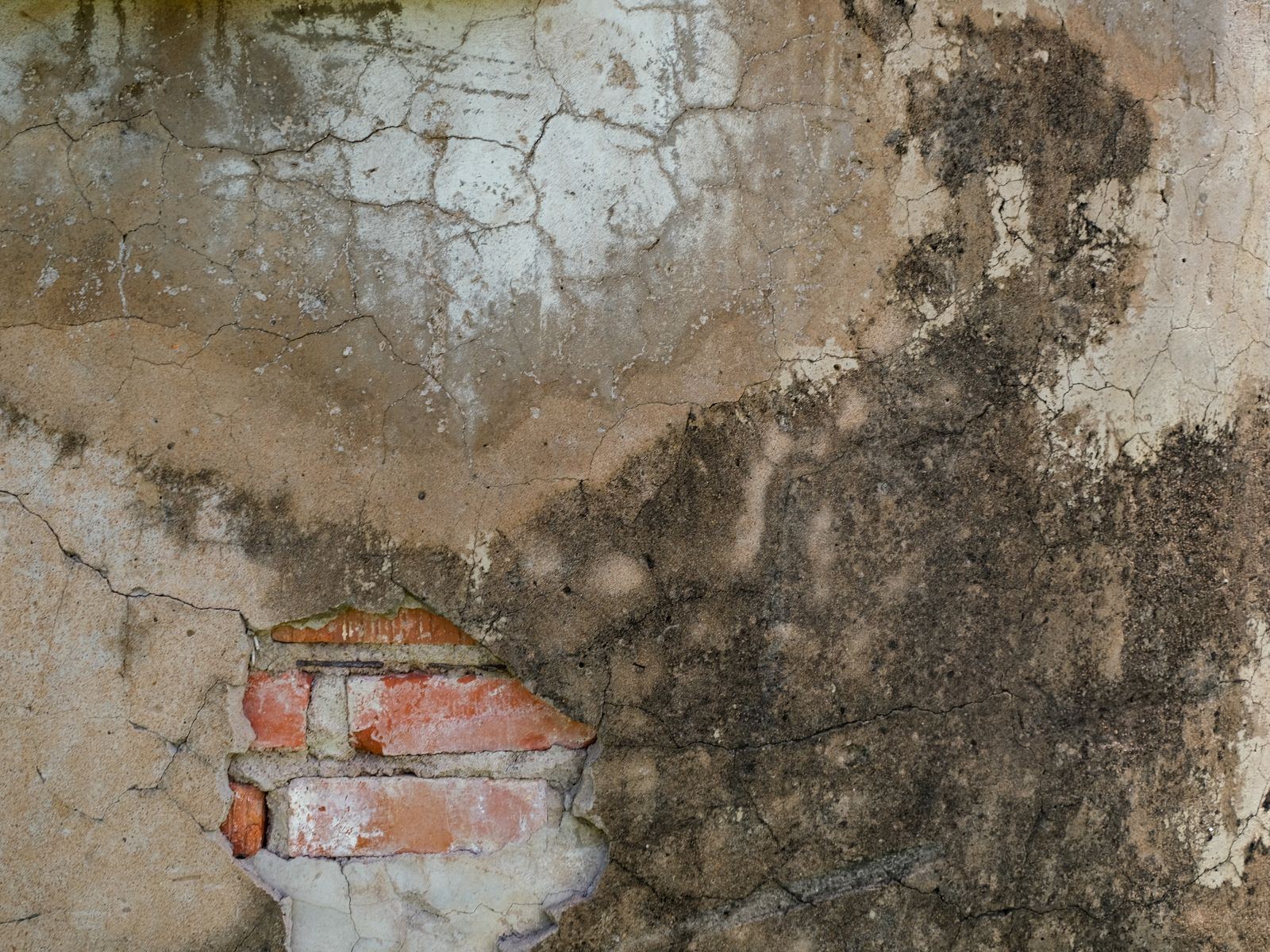
Cracks above the frame
Hairline or wider fractures in the plaster or brickwork directly above the lintel often appear when the wall settles unevenly around the opening.

- 3
Latch missing the keep plate
The bolt no longer aligns with the hole in the strike plate, even though the hinges are tight and the timber looks undamaged by moisture.
- 4
One side affected only
Doors stick on a single elevation while the rest of the house works normally, pointing to localised movement rather than seasonal humidity changes.
- 5
Diagonal cracks in nearby walls
Fractures running at an angle from the corners of the door or window opening indicate stress transferring through the masonry as the ground shifts.
Which situation matches what you see at home
Working out how quickly to act matters more than naming the exact cause right now. Only a physical inspection can confirm what is happening beneath the floor, but the signs you notice determine whether to ask for help today or simply keep watching.
-
Door jams shut and there are new cracks in the bricks above itToday
Fresh masonry fractures alongside a distorted frame usually indicate active movement in the ground beneath that wall.
What to do Ask for a visit so a specialist can measure the opening and record the crack widths.
-
Internal door rubbing at the top only on one side of the houseSoon
Uneven behaviour across the home suggests one section of the foundation is reacting differently, possibly because of a nearby tree or drain.
What to do Note which doors are affected and mention the pattern when you get in touch.
-
Window will not shut properly but the timber feels dampWorth watching
Moisture swelling is the most likely explanation, especially after heavy rain, and often resolves once the air dries out.
What to do Check it again in a fortnight. If it frees up, it was probably weather related.
-
Sash window jamming in an old house with no visible cracks anywhereWorth watching
Decades of paint build-up, cord stretch or slight timber warping are common in period homes and rarely signal structural trouble on their own.
What to do Monitor the window over the seasons. Mention it if other signs appear later.
-
Front door catches on the frame and the hallway floor slopesToday
A sloping floor combined with a binding door points to the whole section of the house dropping together, not just a warped piece of timber.
What to do Describe both symptoms when you ask for advice so the visit covers the floor and the frame.
None of this diagnoses your particular home. If anything has appeared suddenly or is worsening week by week, ask about it now rather than waiting for the next season.
Tell someone what you have noticed
Write down where the doors stick and what else you see around them. A specialist reviews the details and calls to talk through whether a visit makes sense. There is no charge for the conversation and no commitment to proceed.
- No cost to ask
- No obligation to proceed
- Specialist advice only