
Ealing homes
Stepped cracks in brickwork: what they mean
Describe the crack you have noticed and a subsidence specialist will tell you what it means for your home. There is no fee for this first conversation, and no obligation to proceed with any repair work.
What stepped cracks in brickwork actually mean
A staircase crack follows the weakest line through a wall. Learn how its shape, width and position help a specialist determine whether the ground beneath your home is moving.
Why a crack follows the mortar joints
Bricks are harder than the mortar holding them together. When a wall experiences uneven movement, the fracture takes the path of least resistance. That path zigzags along the horizontal and vertical joints, producing a staircase pattern. This is why stepped cracks in brickwork appear so often on older houses in Ealing, where lime mortar was used and has softened over decades.
A diagonal crack in a brick wall meaning something specific depends entirely on where it starts and which direction it travels. A fracture running from a window corner down towards the ground suggests one type of movement, while one climbing from the foundation upwards points to another. The mortar joints simply record the direction of the force that broke them.
Seeing this pattern does not automatically mean the foundations are failing. Thermal expansion, moisture changes in the clay soil beneath much of Ealing, and simple ageing all produce similar lines. A specialist looks at the whole wall, the surrounding trees and the drainage before naming a cause.
What the taper tells you about movement
Most people notice that a crack is wider at one end than the other. A crack wider at the top of the wall usually means the base has dropped away or rotated outward. If the widest point sits near the ground, the upper section of the wall may be sinking or leaning inward. This taper matters because it shows the direction of the movement causing the damage.
The width itself is the next thing to consider. A hairline crack in mortar joints might be serious if it runs the full height of an external wall, but many thin fractures are just seasonal shrinkage. Generally, anything over two millimetres wide deserves attention. Over five millimetres typically requires a structural assessment. Width alone never gives the full picture, though. A narrow crack that keeps growing each month is more concerning than a wide one that stopped moving ten years ago.
Knowing when to worry about brick cracks means watching them over time rather than reacting to a single measurement. Marking the ends with a pencil and dating the marks gives a specialist a starting point when they arrive.
Position matters as much as the shape
A crack directly above a door or window frame behaves differently from one rising from the damp proof course. Openings are weak points in any wall. Lintels deflect, timber frames shrink, and the masonry above settles into the gap. Cracks above window brickwork in Ealing homes frequently appear because Victorian and Edwardian lintels were sized for lighter loads than modern double glazing imposes.
When the same stepped line appears inside on the plaster, it confirms the movement passes right through the wall thickness. An internal hairline crack could be surface drying, but a matching pattern on both faces means the whole structure shifted. That makes the situation more urgent to investigate.
A specialist surveying the property will check whether doors and windows still close properly. Sticking frames often accompany these cracks, since the opening distorts as the wall moves. They will also look at the floor levels, because sloping floors can indicate the same ground movement that cracked the bricks.
How a specialist measures what is happening now
Telling an old crack from an active one requires instruments, not guesswork. A specialist uses crack monitors, small plastic gauges fixed across the fracture with epoxy resin. These show how to measure wall crack movement by recording changes in width and direction across weeks or months. Tell-tale glass strips glued over the gap serve a similar purpose: if the glass snaps, the wall is still shifting.
Photographs help, but measurements matter more. An insurer handling a claim in Ealing will almost always ask for dated photographs alongside width readings taken at several points along the crack. They need proof of ongoing movement before approving a site visit from a loss adjuster or structural engineer.
Filling the crack before anyone has measured it removes the evidence. Mortar or sealant hides the very thing a specialist needs to read. Leave it open until the monitoring period finishes and the cause is established. Repairs follow diagnosis, never the reverse.
Ground conditions beneath Ealing streets
Much of Ealing sits on London Clay, a soil that swells when wet and shrinks when dry. Tree roots extract moisture from this clay, drawing it away from shallow foundations. A large tree standing close to the house can cause enough differential settlement to step every joint in a gable wall.
Drainage failures produce a similar effect. A leaking drain washes fine particles out of the subsoil, leaving voids that the foundation eventually drops into. Both scenarios create the uneven support that forces a rigid brick wall to crack along its mortar lines.
Once the cause is identified, the repair method follows from it. Sometimes removing the tree or fixing the pipe is enough, and the crack can be stitched and repointed. Where the ground remains unstable, specialists use techniques like resin injection to firm the soil, screw piling to reach firmer strata, or traditional underpinning to deepen the footing. The choice depends entirely on what the investigation finds beneath your home.
Signs a stepped crack is changing
A stepped crack records movement in the wall. Watching how it behaves over weeks tells you whether the problem has stopped or is still active beneath your home.
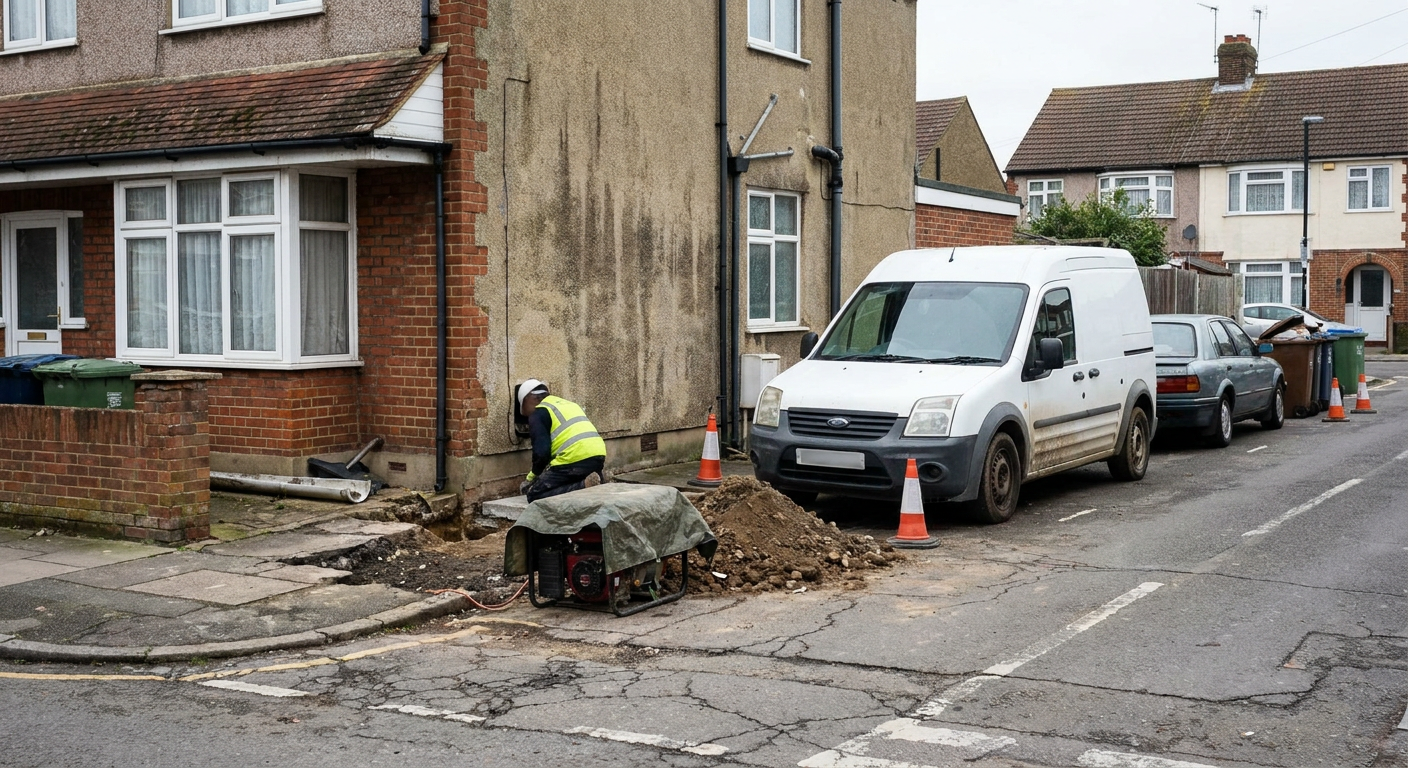
- 1
Widening at one end
The gap tapers noticeably, wider at the top or bottom. This indicates the wall is rotating or dropping unevenly along its length.
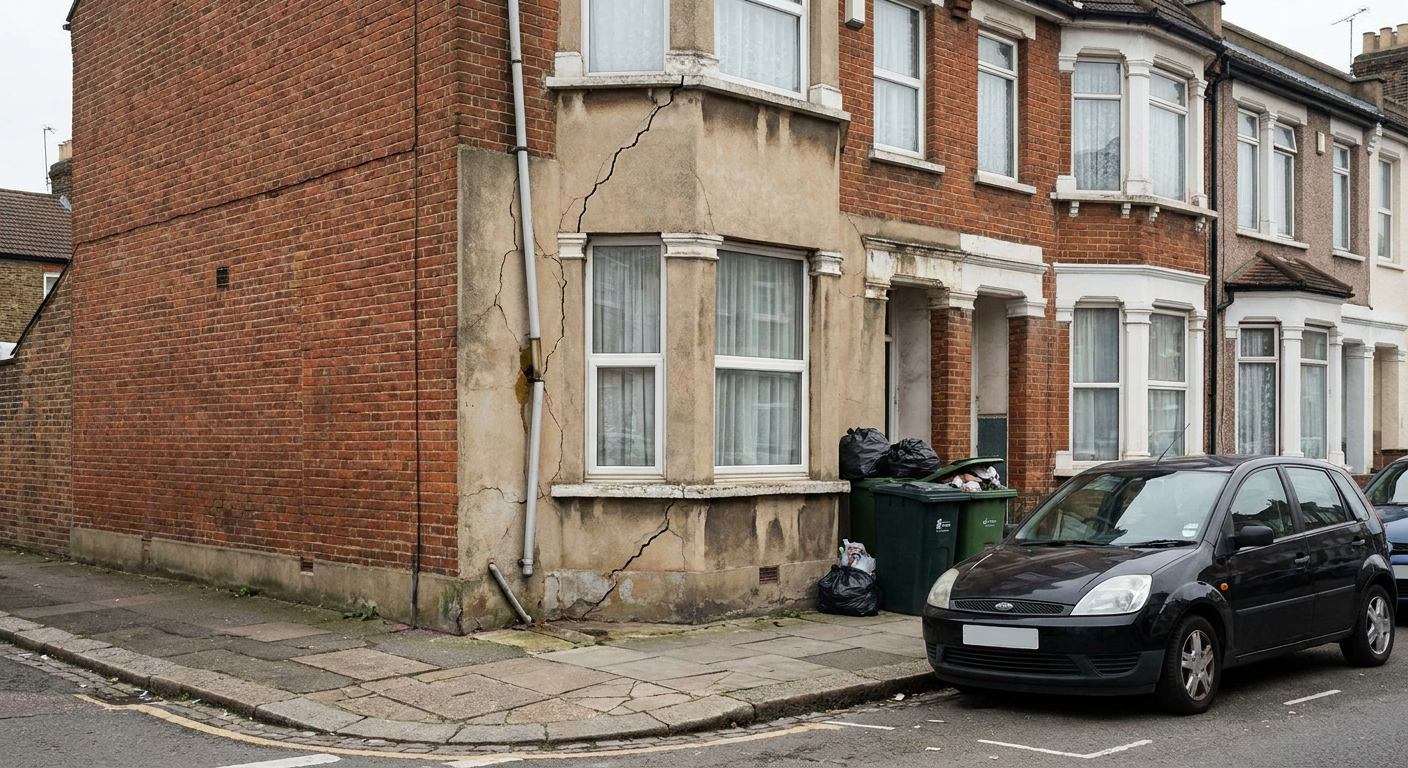
- 2
Fresh mortar dust
Crumbs of mortar collect on the sill or ground below the crack. Recent spalling suggests the edges are still grinding against each other.
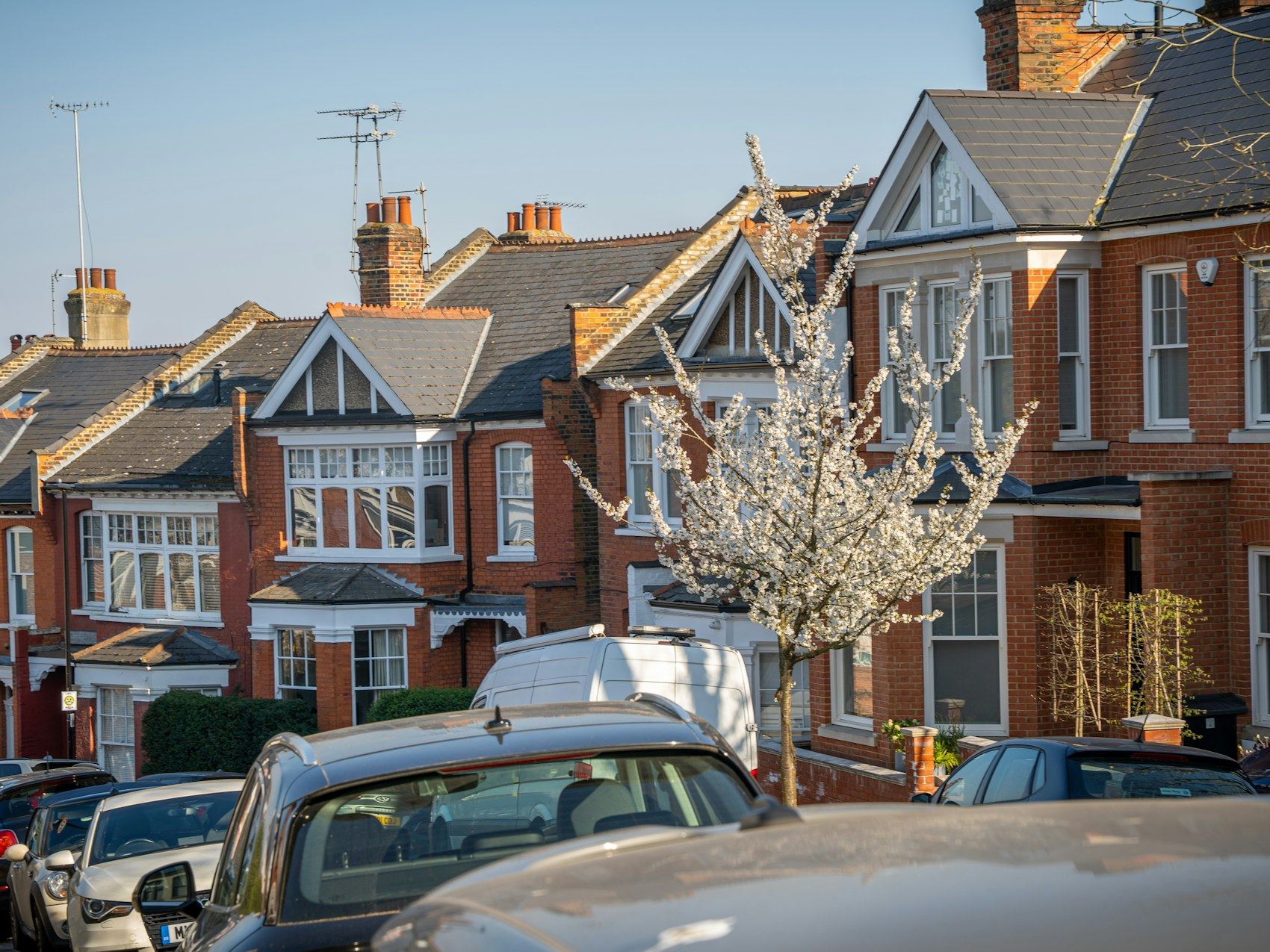
- 3
Sticking doors nearby
Frames distort as the wall shifts. A door that suddenly jams in its frame often shares a cause with the stepped cracking.
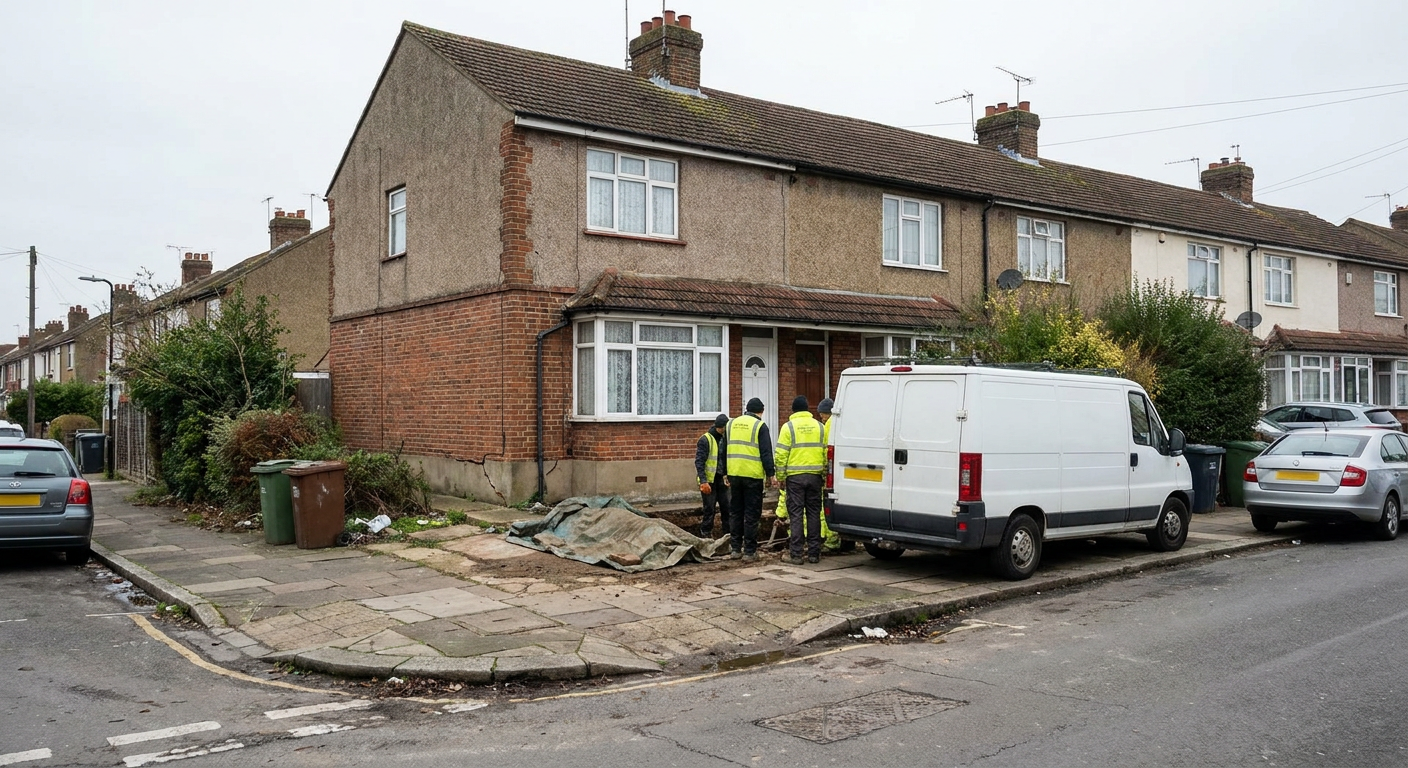
- 4
Matching crack inside
The same staircase line appears on the interior plaster. Movement passing through the full wall thickness warrants closer inspection.
- 5
New gaps at skirting boards
The wall pulls away from the floor finish. Separation here can accompany the same foundation movement opening the brickwork.
Questions about stepped cracks in Ealing homes
These are the things homeowners in Ealing ask when they first notice a staircase pattern in their brickwork.
- What the staircase pattern means
- It means the wall fractured along the mortar because the bricks themselves are stronger. The direction of the steps shows which way the ground moved.
- Why the top is wider
- A crack wider at the top usually means the foundation settled or dropped at that end, tilting the wall outward from its base.
- When width becomes serious
- Anything over two millimetres should be monitored. Over five millimetres generally needs a structural assessment by a specialist.
- Cracks above windows vs ground level
- Fractures above openings often relate to lintel deflection or frame shrinkage. Cracks rising from the ground more commonly point to foundation movement.
- Whether to fill it now
- Leave it unfilled. Filling it hides the evidence a specialist needs to measure movement and determine the cause.
- Old cracks versus active ones
- Specialists fit plastic monitors across the gap to record changes over weeks. Tell-tale gauges reveal whether the wall is still moving.
Ask a specialist about your stepped crack
Send details of the crack you have found. A subsidence specialist will review what you describe and explain what it likely means for your home, without any obligation to book repair work.
- No cost to ask
- No repair obligation
- Local Ealing knowledge