Ealing
Subsidence survey in Ealing: what it involves
Send details of your home and a specialist firm will arrange a visit to check whether the movement matters. The initial enquiry costs you nothing, and there is no obligation to accept any repair work they recommend.
Subsidence help in Ealing
What a specialist checks when your home might be moving
Visual inspection
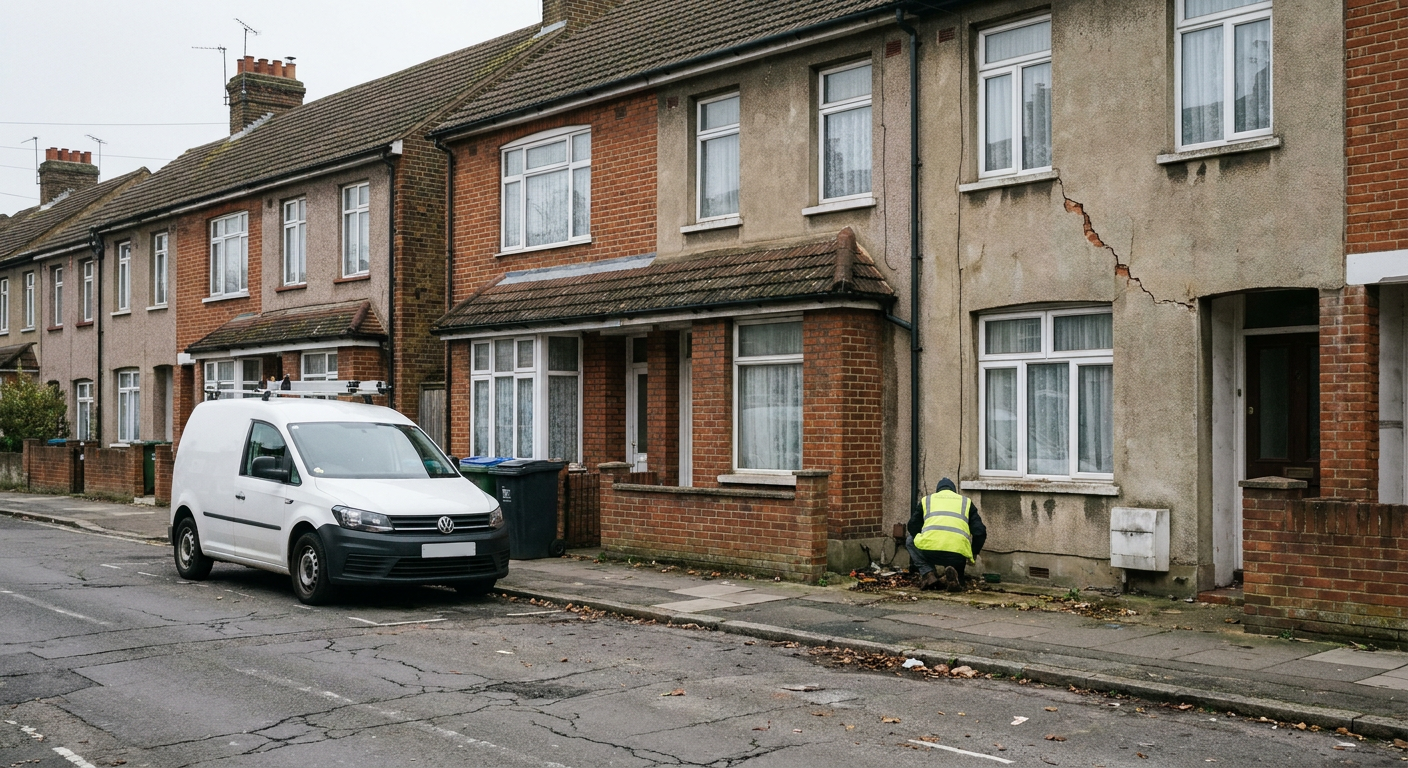
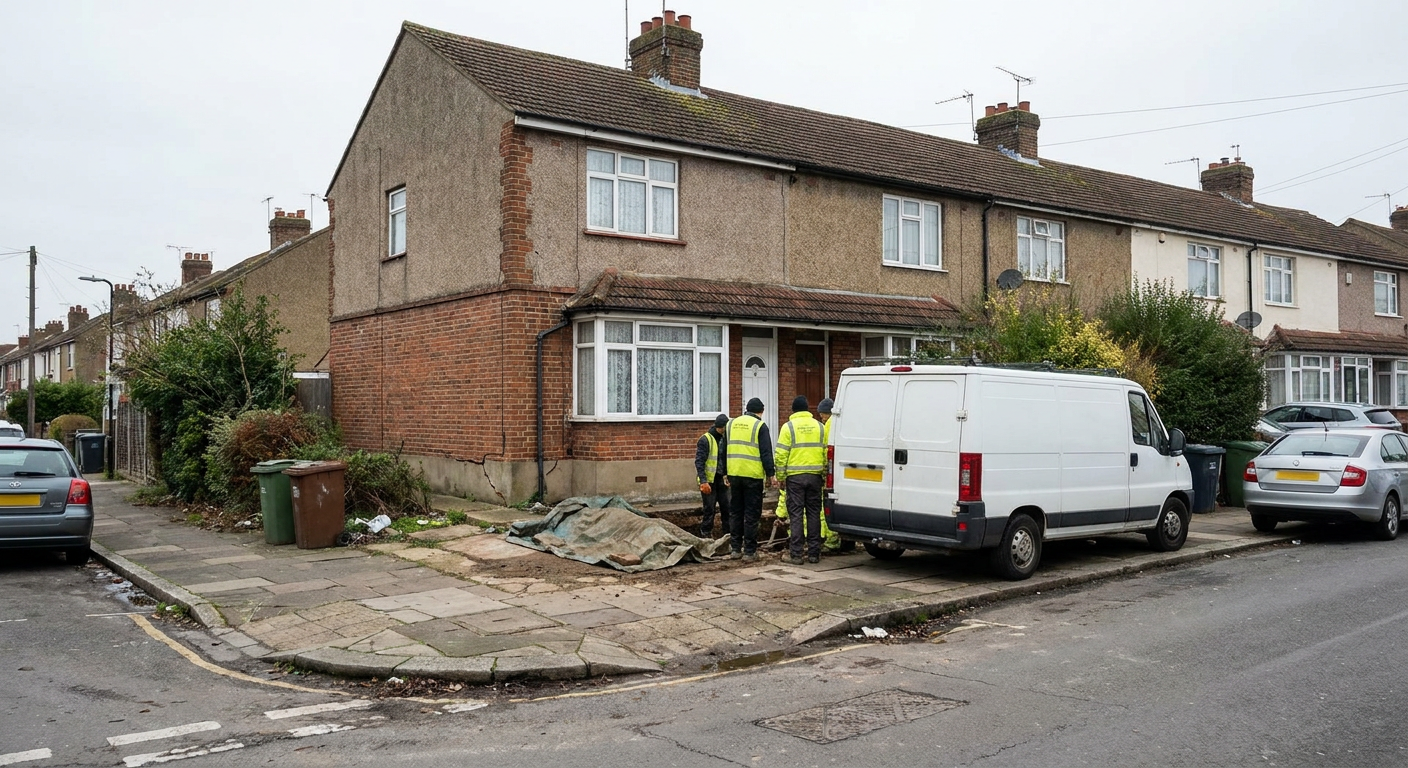
The specialist walks around the outside and inside of the home, measuring every crack, checking door frames for distortion and looking at how the brickwork meets the roof line.
Crack monitoring
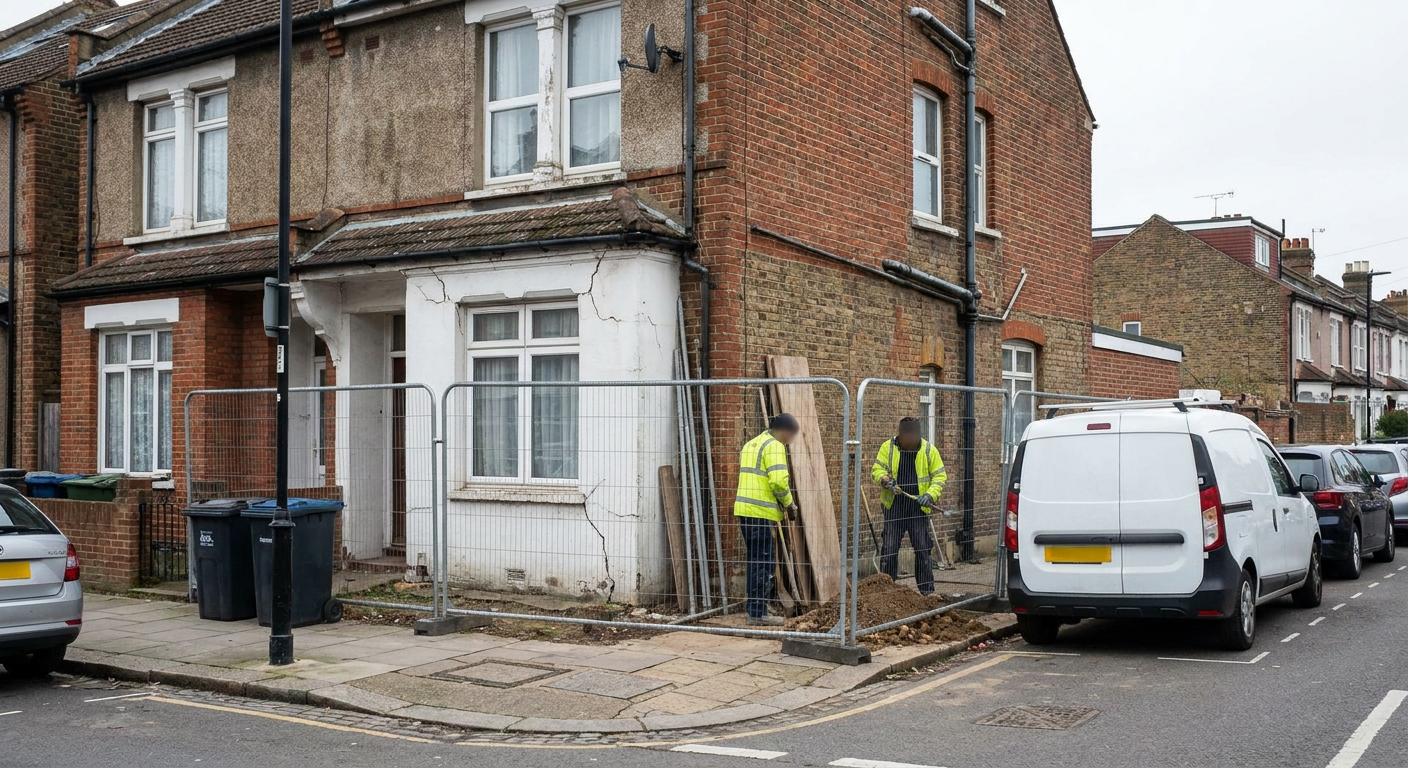
If movement is recent, small gauges are fixed across the widest cracks. These record whether the gap changes over several months, separating seasonal shrinkage from ongoing subsidence.
Drain testing
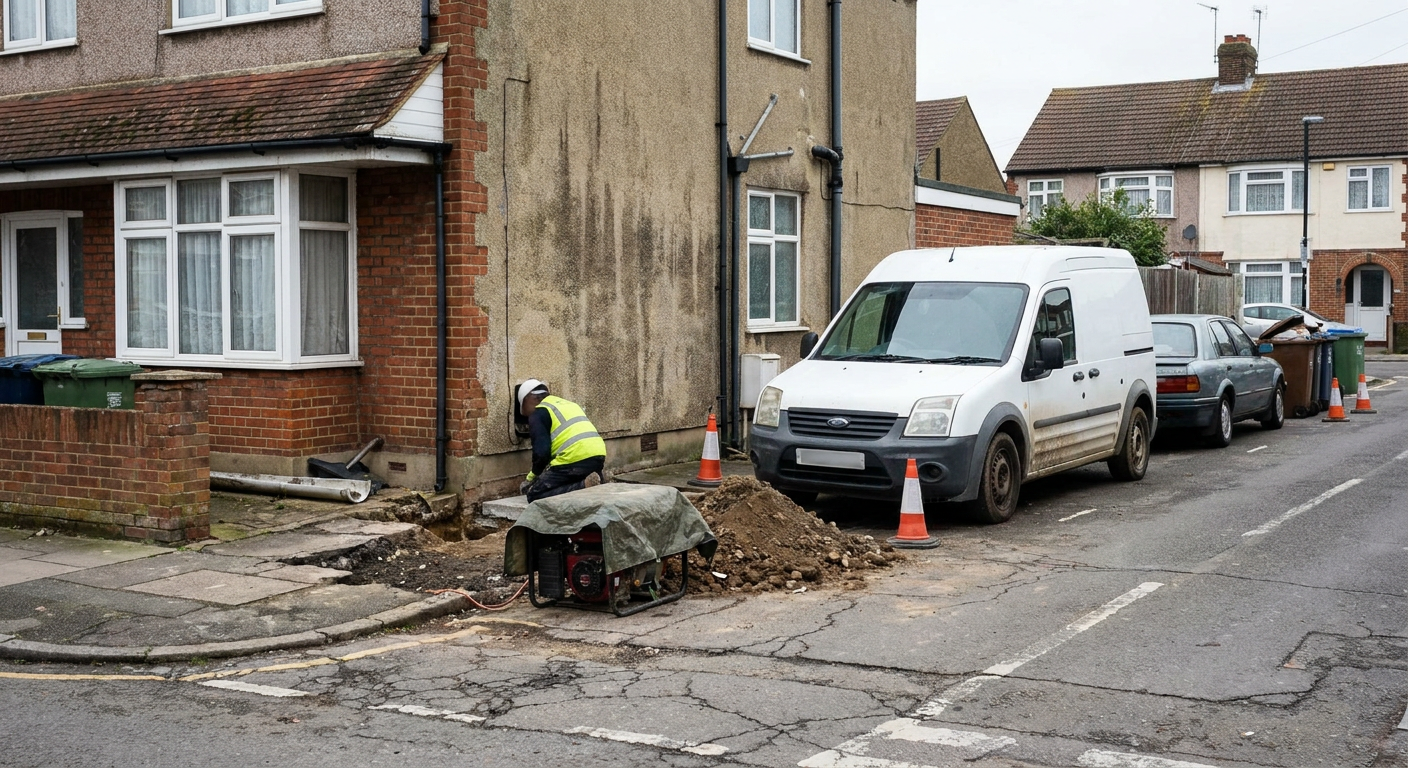
A leaking pipe under the foundations can wash soil away and cause sinking. The specialist may run water through the drains or use a camera to check for fractures below ground.
Ground assessment
Clay soils around Ealing shrink when dry and swell when wet. The specialist considers nearby trees, the depth of the existing foundations and the type of subsoil before suggesting a fix.
Is my house subsiding or are these cracks harmless?
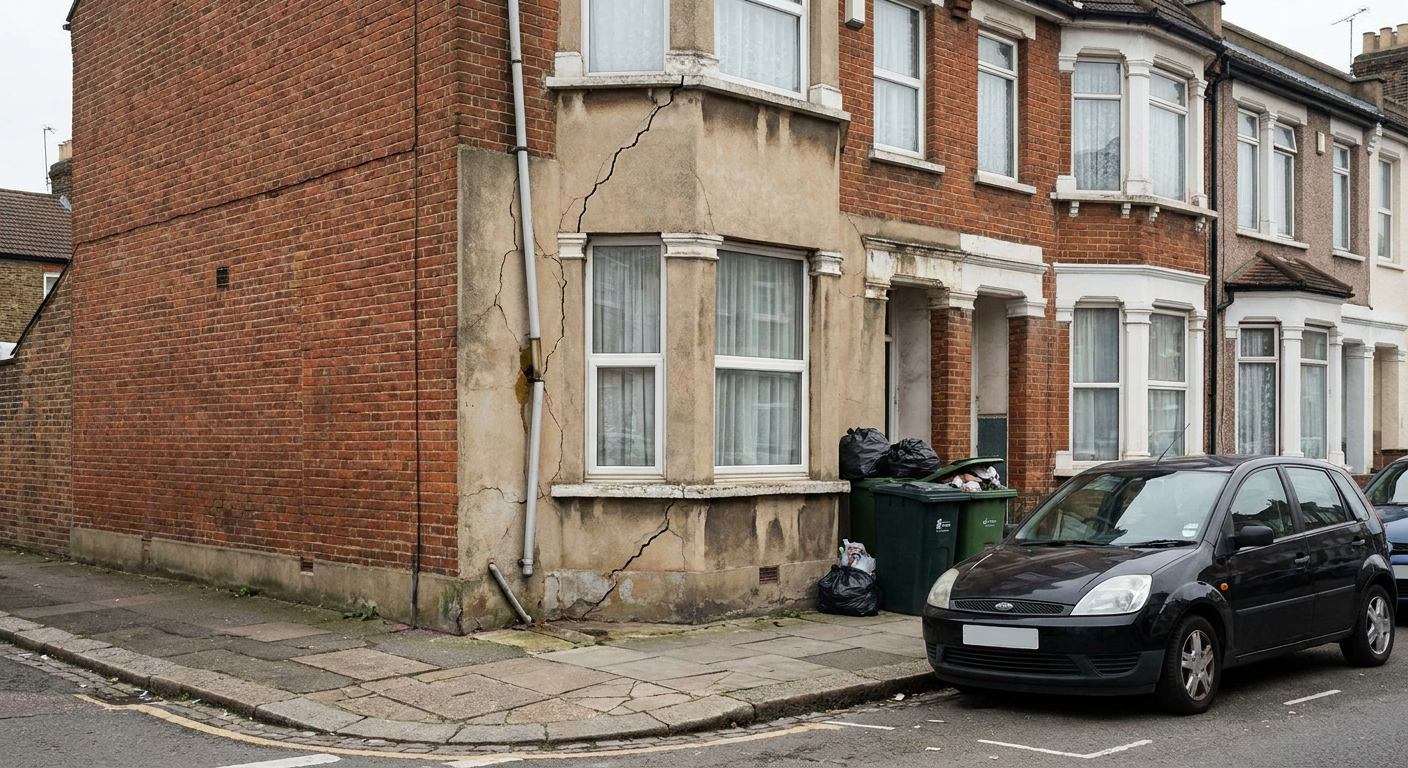
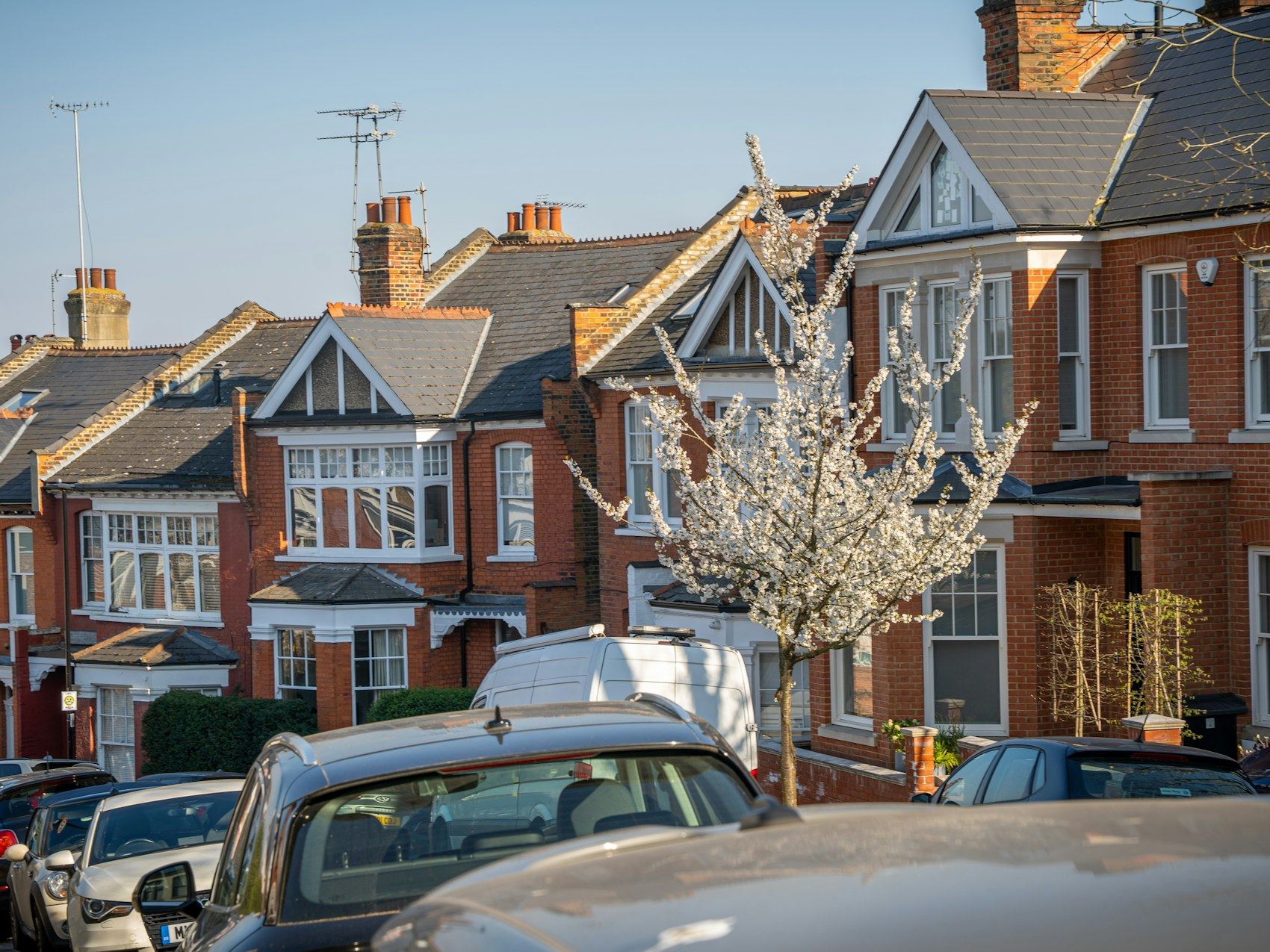
Subsidence happens when the ground beneath a home loses support and the foundations sink unevenly. In Ealing, London clay shrinks during dry spells, pulling the footings down. Cracks appear where the walls cannot flex, usually near windows or where an extension joins the main building.
- 1
Stepped cracks in brickwork
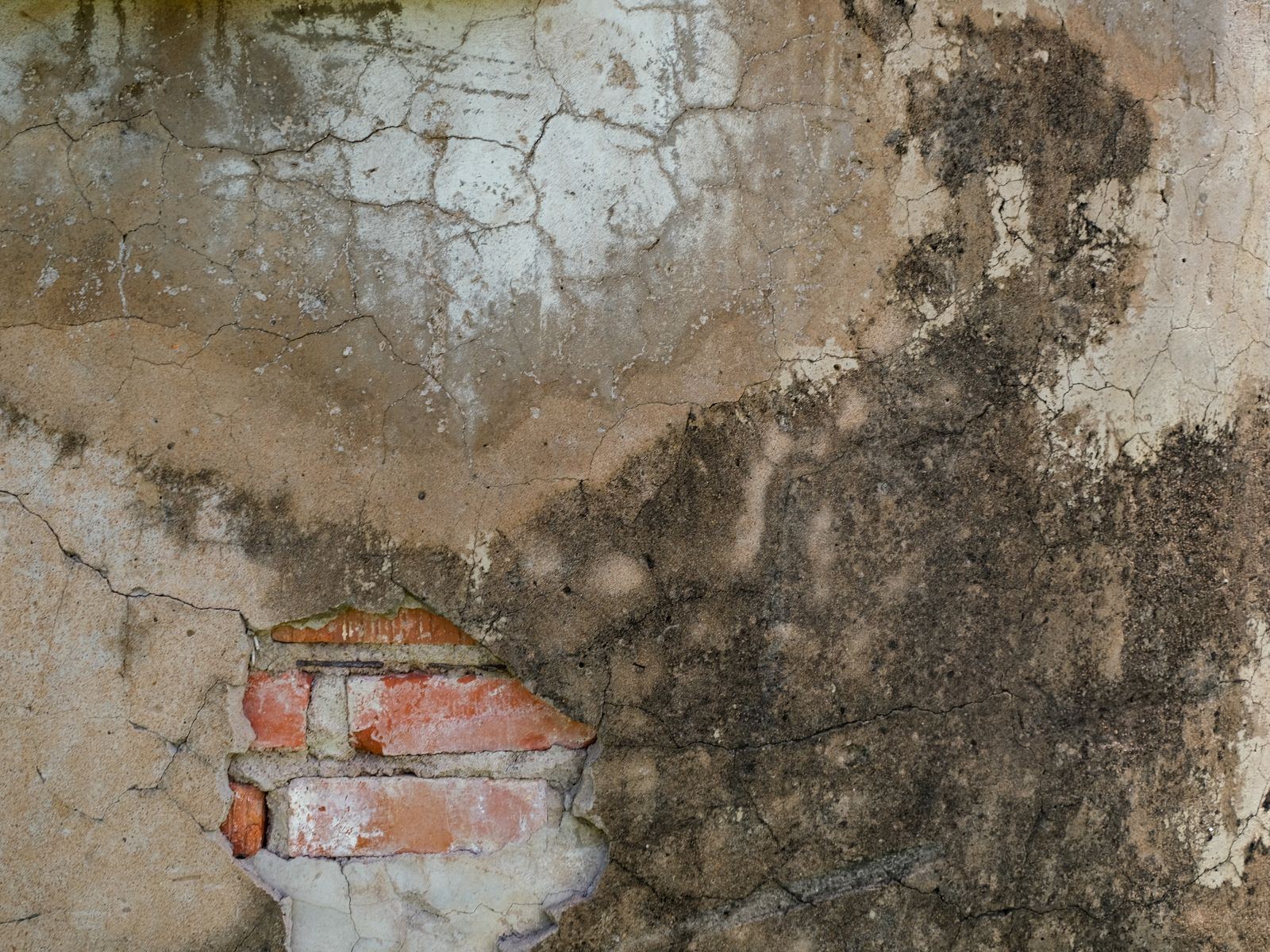
Diagonal cracks following the mortar joints between bricks often point to one part of the wall dropping lower than the rest.

- 2
Doors and windows sticking
Frames that jam shut or scrape against the floor suggest the surrounding wall has shifted out of square.
- 3
Gaps at an extension join
A visible gap opening between the original house and a later addition means the two sections are moving apart.
- 4
Sloping floors
A ball rolling steadily across a room or furniture tilting to one side can indicate the floor joists have dropped.
- 5
Cracks wider than 3mm
Hairline cracks are common in plaster, but gaps wide enough to fit a coin through the wall need closer attention.
Typical costs for subsidence repairs in Ealing
Prices vary because every home sits on different ground and moves for different reasons. A shallow repair under a small bay window costs far less than stabilising an entire terrace. Access, soil type and the chosen method all shift the final figure.
-
Crack stitching and masonry repair
£1,500 to £4,000
Number of cracks, height of the wall and whether scaffolding is needed to reach them safely.
-
Resin injection to stabilise ground
£3,000 to £8,000
Depth of the weak soil, area covered and how many injection points the specialist must drill.
-
Screw piling for new foundations
£5,000 to £15,000
Length of piles required, load the wall carries and how close machinery can get to the site.
-
Traditional underpinning
£10,000 to £40,000
Length of wall affected, depth to stable ground and whether internal floors must be removed first.
These ranges indicate what work of this type typically costs in west London. Nothing here is a quotation. Only a physical inspection by a specialist can settle a figure for one specific home.
How this works, said plainly
This site takes enquiries from homeowners worried about movement in their property. Separate specialist firms carry out inspections and repairs on their own account. You deal directly with the firm that visits your home, not with this website.
- Enquiries made through this site are free and carry no obligation to proceed.
- Separate specialist firms conduct the inspections, surveys and any repair work.
- No diagnosis is offered here; only a physical visit can confirm what is happening.
- Firms operate independently and set their own prices, methods and schedules.
- Sending details does not commit you to buying any service or accepting a quote.
Questions people ask about subsidence in Ealing
If you are looking for advice on whether your house is subsiding, these answers cover the practical steps involved.
How do I know if my Ealing house is subsiding or cracks are harmless?
A specialist inspects the pattern, width and direction of every crack, checks the soil and reviews nearby trees. Hairline plaster cracks are usually shrinkage, but stepped brickwork or widening gaps need professional assessment to rule out foundation movement.
What happens on a first visit, and do they enter every room?
The specialist examines the exterior walls first, then checks corresponding areas inside. They measure cracks, look at door frames and inspect ceilings below the roof. They need access to any room where damage shows, but not necessarily every space.
Does the initial enquiry or visit cost me anything?
No. Sending an enquiry through this site is free. Many specialist firms offer a preliminary inspection without charge, though detailed reports for insurers or lenders may carry a fee. Ask the firm before they visit what their terms are.
If monitoring is recommended, how long until I get an answer?
Crack gauges usually stay in place for six to twelve months. This captures summer drying and winter swelling, letting the specialist see whether movement is seasonal or continuous. Shorter periods rarely give reliable data on London clay.
Why test drains, and who pays if a leak caused the problem?
Escaping water washes fine soil from under foundations, creating voids. A drain survey finds fractures invisible from the surface. If a leaking drain turns out to be the cause, your water company or buildings insurer may cover the repair costs.
Should I contact my insurer first or get a specialist opinion?
Calling your insurer opens a claim file immediately, which can affect future premiums even if the cracks prove harmless. Some homeowners prefer a specialist opinion first to understand the problem before involving their buildings insurance provider.
Can I get a written report for a buyer or mortgage lender?
Yes. Specialist firms produce formal reports detailing the cause of movement, the extent of damage and any recommended repairs. Mortgage lenders and buyers rely on these documents when assessing risk during a sale in west London.
What should I do while waiting if cracks are getting wider?
Mark the ends of each crack with a pencil and note the date. Avoid heavy DIY near damaged walls. Keep gutters clear so rainwater does not pool near the foundations, and send an enquiry so a specialist can assess the rate of movement.
Describe what you have noticed at home
Send a few details about the cracks or movement you have spotted. A specialist firm will review them and let you know whether a visit makes sense. There is no charge for the enquiry and no pressure to accept any work.
- Free to enquire
- No obligation
- Direct to specialists