Ealing homes
Subsidence vs settlement: what is the difference?
Find out whether the crack in your home is normal settling or something that needs a specialist. Describe what you see and get an answer without any cost or obligation.
Understanding the subsidence vs settlement difference
What settlement means for a new home
Settlement happens when the weight of a new building compresses the ground beneath it. In Ealing, where many streets sit on London Clay, this compression is expected during the first year or two after construction. The movement is usually even across the footprint of the house, so the structure lowers slightly as a whole rather than tilting.
You might notice fine hairline cracks in plaster or thin gaps where skirting boards meet the floor. These are typical settlement cracks in a new build. They tend to appear early, widen very slowly, and then stop once the soil has compacted under the load. A specialist will look at how long the house has stood and whether the cracking follows this pattern before deciding anything further is needed.
Most insurers treat settlement as a predictable part of owning a new home. Because the ground is simply adjusting to the weight placed on it, insurance settlement not covered clauses often apply. The policy responds to unexpected movement, not the ordinary compression of soil under a fresh foundation.
When movement becomes subsidence
Subsidence is different because the ground loses its ability to support the foundations, and the movement is uneven. One part of the home sinks while another stays put. In Ealing, clay soils shrink during dry summers and swell in wet winters. Tree roots extracting moisture from that clay make the problem worse, pulling water away from the soil directly under the footings.
A diagonal crack in wall meaning often points here. Subsidence cracks typically run at an angle, wider at one end than the other, following the line of stress as the wall distorts. They frequently appear near windows and doors because those openings weaken the brickwork. You might also find doors sticking or window frames jamming as the surrounding walls shift out of square.
Unlike settlement, subsidence does not stop on its own. The cause, whether a leaking drain washing away soil or a mature oak drying out the clay, continues to act until someone addresses it. This is why insurers distinguish between the two. Subsidence triggers the buildings policy; routine settlement generally does not.
Why the distinction matters for your insurer
The reason your insurer treats these two types of movement differently comes down to predictability. Settlement is a known consequence of building on compressible ground. Insurers expect it, price for it, and exclude it from standard claims. Subsidence is an unplanned failure of the ground to do its job, so the policy is written to respond.
If you are buying a house with cracks in Ealing, the surveyor will note whether the movement looks historic or active. An old settlement crack that has been filled and painted over tells a different story from a fresh diagonal split that is still widening. Buyers ask how to tell the difference between settlement and subsidence in the cracks on their wall, and the answer usually involves monitoring. A structural engineer fixes small glass gauges across the crack to measure change over several months.
That monitoring period establishes whether the movement is ongoing. If it is, the insurer can open a claim. If the crack remains static, the buyer knows they are looking at past settlement that has finished doing its work.
Extensions and the join with the main house
An extension adds new weight to ground that was previously unloaded. The newer section settles faster than the older house, which already compressed the soil decades ago. This mismatch shows up at the join, where the two structures meet.
Homeowners often ask whether cracks appearing at the corners eighteen months after an extension was finished are just the building settling down. Frequently they are. The new foundations are still finding their level. But if the gap keeps widening beyond a few millimetres, or if the crack runs diagonally into the original brickwork rather than staying neatly along the joint, the movement may have crossed into subsidence territory.
A specialist inspects the junction to determine whether the original wall is being dragged downward. They check for signs like stepped cracking in the existing brickwork or internal plaster splitting away from the corner bead. Where the extension sits on made ground or backfilled trenches, the risk of uneven settlement is higher, and monitoring becomes more important.
Seasonal movement and what it reveals
Cracks that open in summer and close again in winter follow the moisture cycle of clay soil. During hot, dry months, the clay shrinks. When rain returns, it swells. This seasonal movement is common across Ealing, particularly near large trees whose roots draw heavily on subsoil moisture in summer.
A specialist notes this pattern because it confirms clay shrinkage is involved. But seasonal cracks do not always mean subsidence. If the opening and closing happen by the same amount each year, the wall is flexing within its tolerance. The concern grows when the crack fails to close fully each winter, leaving a slightly wider gap than the year before. That progressive widening indicates the ground is not recovering, and the foundations are sinking further each cycle.
Measuring the width at the widest point, and recording it at the same time each season, gives a clear picture. Specialists use this data to decide whether the tree needs management, whether drains require testing, or whether foundation repair is necessary.
Deciding when to arrange an inspection
Watching a crack for a few weeks makes sense if it is hairline and the house is new. But there is a point where waiting costs more than acting. Any crack wider than three millimetres, any crack that runs diagonally through bricks rather than along mortar joints, and any crack accompanied by sticking doors or sloping floors warrants professional attention.
Buyers and homeowners alike want to know when to worry about cracks. The practical threshold is change. A crack that alters visibly over a month, or one that lets daylight through from inside, is no longer in the watch category. Even if the cause turns out to be harmless thermal expansion, only a site visit can confirm that.
If it proves to be settlement, repairing the cracks properly still matters before selling. Mortgage lenders look for evidence that movement has stopped and that cosmetic damage has been made good. Leaving cracks unfilled invites suspicion, regardless of the underlying cause.
Signs that separate settling from sinking
Movement in a home shows itself through visible changes in walls, floors and joinery. Some patterns suggest ordinary compression of the ground, while others point to foundations losing support.
- 1
Diagonal cracks tapering to a point
A crack wider at the top than the bottom, running at roughly forty-five degrees, often indicates uneven foundation movement rather than simple settling.
- 2
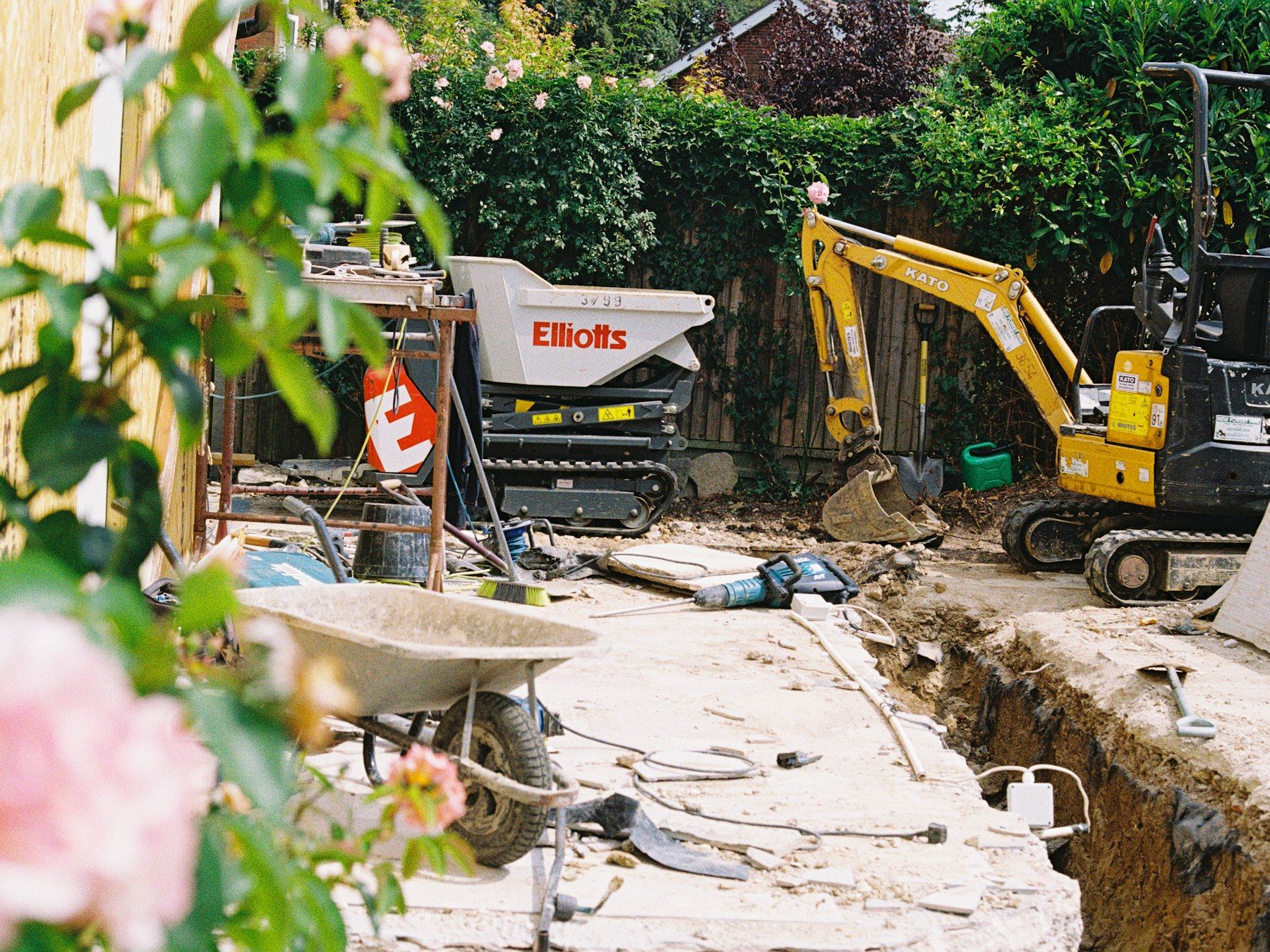
Cracks pinned to the extension join
Gaps appearing exactly where new brickwork meets old usually reflect the newer section compressing the soil faster than the original house did.
- 3
Doors catching on their frames
Frames distort when walls move. A door that suddenly sticks at one corner suggests the surrounding structure has shifted out of square.

- 4
Gaps changing with the seasons
Cracks that widen in dry weather and narrow after rain follow the clay moisture cycle, pointing toward soil shrinkage rather than permanent settlement.

- 5
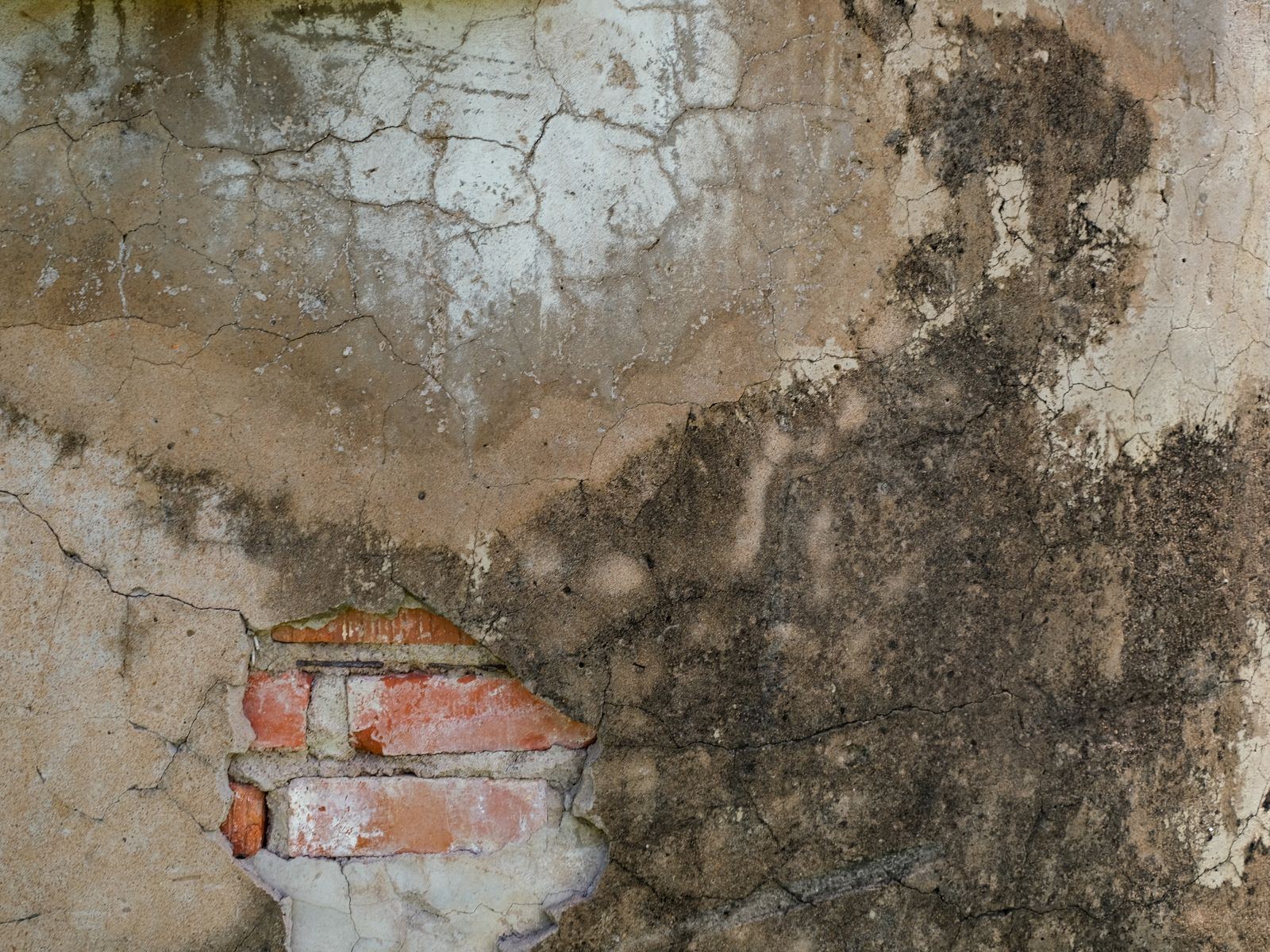
Fine plaster crazing in new rooms
A web of shallow surface cracks in recently built rooms is typical of drying plaster and early compression, rarely a sign of deeper trouble.
Recognising which situation matches yours
The purpose here is timing, not naming the problem. Only a physical inspection determines whether movement is normal or serious. What matters now is deciding how quickly to ask for one.
-
A diagonal crack wider at one end, running through bricks near a windowToday
Uneven foundation movement is likely pulling the wall apart along a line of stress.
What to do Ask for a subsidence survey so a specialist can measure the movement and check the soil.
-
Cracks at the corners of an extension built in the last two yearsSoon
The new foundations are probably still compressing the ground, but the rate needs checking.
What to do Arrange a visit to monitor the gap and confirm it is slowing rather than accelerating.
-
Hairline cracks in plaster throughout a newly built houseWorth watching
Fresh materials dry out and the building weight compacts the soil evenly in early months.
What to do Mark the ends with a pencil and check monthly to see if they extend or stay put.
-
Cracks that open each summer and close every winter without getting worseWorth watching
Clay soil is shrinking and swelling on a seasonal cycle, flexing the walls within limits.
What to do Record the width at the same time each season to confirm the gap is not creeping wider.
-
A crack letting in daylight, with doors in the same room now sticking badlyToday
The wall has moved far enough to distort frames and break through the full thickness.
What to do Contact a specialist immediately to assess whether the foundations need stabilising.
None of this diagnoses your home. If a crack appeared suddenly or is growing fast, ask for an inspection today rather than waiting to match it to a category.
Tell us what you have noticed
Describe the crack or movement you see at home. A specialist reads your description and replies with what it likely means and whether a site visit is needed. There is no charge and no commitment to proceed.
- No fee for advice
- No obligation to proceed
- Specialists cover Ealing