Ealing homes
Is this crack subsidence, or something else?
Describe the crack you have noticed and a specialist will tell you what it means. There is no charge for this first conversation, so you can find out whether your home needs attention before deciding anything.
Is this crack subsidence in your Ealing home?
Direction and shape of the crack
The question most people in Ealing open with is simple: is this crack subsidence? The answer usually starts with direction. A stair step crack brickwork meaning depends on where it runs. Cracks that follow mortar joints in a stepped pattern often point to foundation movement, because the bricks themselves are stronger than the mortar holding them together.
A diagonal crack above window frames or door openings tells a different story. It may mean the lintel has failed or shifted, rather than the ground beneath the house moving. Thermal expansion causes cracks too, but these tend to be thin, straight and close up when temperatures change. Clay soil across Ealing shrinks in dry weather and swells when wet, so the shape of the line matters as much as its size.
A specialist looks at the angle to separate these causes. They check whether the crack runs through the bricks or only along the joints, since each pattern points to a different problem.
Width, taper and measuring at home
How wide does a crack need to be before I call someone out? Hairline marks under one millimetre are common in plaster and brickwork. They rarely signal structural trouble. Once a gap reaches three millimetres or more, it warrants a closer look from a professional who understands local ground conditions.
The crack is wider at the top than the bottom, what does that mean? Tapering like this suggests rotation. One part of the wall is dropping while another stays put, which is typical of subsidence on shrinkable clay. You can monitor crack width home yourself using a pencil to mark the ends on a specific date, then checking weekly. A ruler or a set of feeler gauges gives you numbers to compare over time.
Buyers viewing houses in areas like Acton or Hanwell often notice fresh filler in old cracks. That filler hides the history. Measuring the opening and recording how it changes gives a specialist the evidence they need to separate ongoing movement from damage that happened years ago.
Inside and outside matching cracks
Should I be worried if the crack shows on the inside and matches a crack outside? Yes. When a line passes through the full thickness of a wall, the movement is structural rather than cosmetic. Plaster shrinks and paint flakes, but those surface faults stop at the skirting board or the ceiling line.
A crack visible on both faces means the masonry itself has parted. In older Ealing homes built on London Clay, this happens when tree roots draw moisture from the soil and the ground contracts unevenly. A specialist will check whether the internal and external lines align, because an offset might point to two separate issues rather than one continuous failure.
Photograph both sides in good light. Place a coin or tape measure next to the widest point so the scale is clear. These images help a surveyor decide whether to visit urgently or advise monitoring first.
Settlement versus subsidence in Ealing houses
How do I tell the difference between subsidence and ordinary settlement in my Ealing house? Settlement happens once, usually within the first few years after construction, as the weight of the building compresses the soil evenly. The cracks it leaves are small, uniform and stop growing.
Subsidence is ongoing. The ground loses support because of leaking drains, drying clay or rotting tree roots, and the foundation drops unevenly. Cracks caused by subsidence keep widening, change direction or appear in new places over months. Understanding the settlement or subsidence difference matters because insurers treat them differently.
When to worry about house cracks depends on this timeline. A crack that appeared last year and has not changed is likely historic. One that opened this summer and grew by autumn needs investigation. A structural engineer or building surveyor uses level surveys and crack monitors to confirm whether movement is active, which determines whether repairs like underpinning or resin injection are necessary.
Lintels, bay windows and thermal movement
Is a hairline crack above my bay window a lintel problem rather than subsidence? Often, yes. Steel lintels rust and expand, pushing the brickwork apart in a neat horizontal or diagonal line. Timber lintels rot. Both produce cracks that stay localised around the opening rather than running down to the ground.
Bay windows in Victorian and Edwardian homes across Ealing sit on their own shallow foundations. They drop independently of the main house, leaving a gap at the join. This is distinct from general subsidence, though the repair still requires attention. Specialists assess bay window movement separately from the rest of the structure.
Do cracks that open in summer and close in winter mean clay movement? Seasonal opening and closing usually points to thermal expansion or minor clay shrinkage. True subsidence cracks rarely close fully on their own. If a gap disappears every November, the cause is likely temperature or moisture fluctuation rather than failing foundations.
Insurers, photographs and arranging an inspection
If I report it to my insurer and it turns out not to be subsidence, does that count against me? Insurers expect claims for suspected subsidence. If the investigation finds a simpler cause, such as a failed lintel or thermal movement, the claim closes without affecting future premiums in most cases. Policies vary, so reading the buildings insurance wording before calling is sensible.
What should I photograph and measure before asking for an inspection? Take clear pictures of every crack, inside and out, with a ruler held against the widest point. Note the date. Check doors and windows near the damage to see if they stick or catch on the frame. Look for sloping floors by rolling a marble across the room.
Write down any large trees nearby and whether drains have blocked recently. This information helps the specialist focus their survey. Arranging a subsidence survey in Ealing costs nothing at the enquiry stage, and the findings tell you exactly what the crack means.
Signs that a crack might be subsidence
Cracks appear for many reasons. Some are harmless, others mean the ground beneath your home is moving. These are the physical signs a specialist looks for during a survey.
- 1
Stepped cracking in brickwork
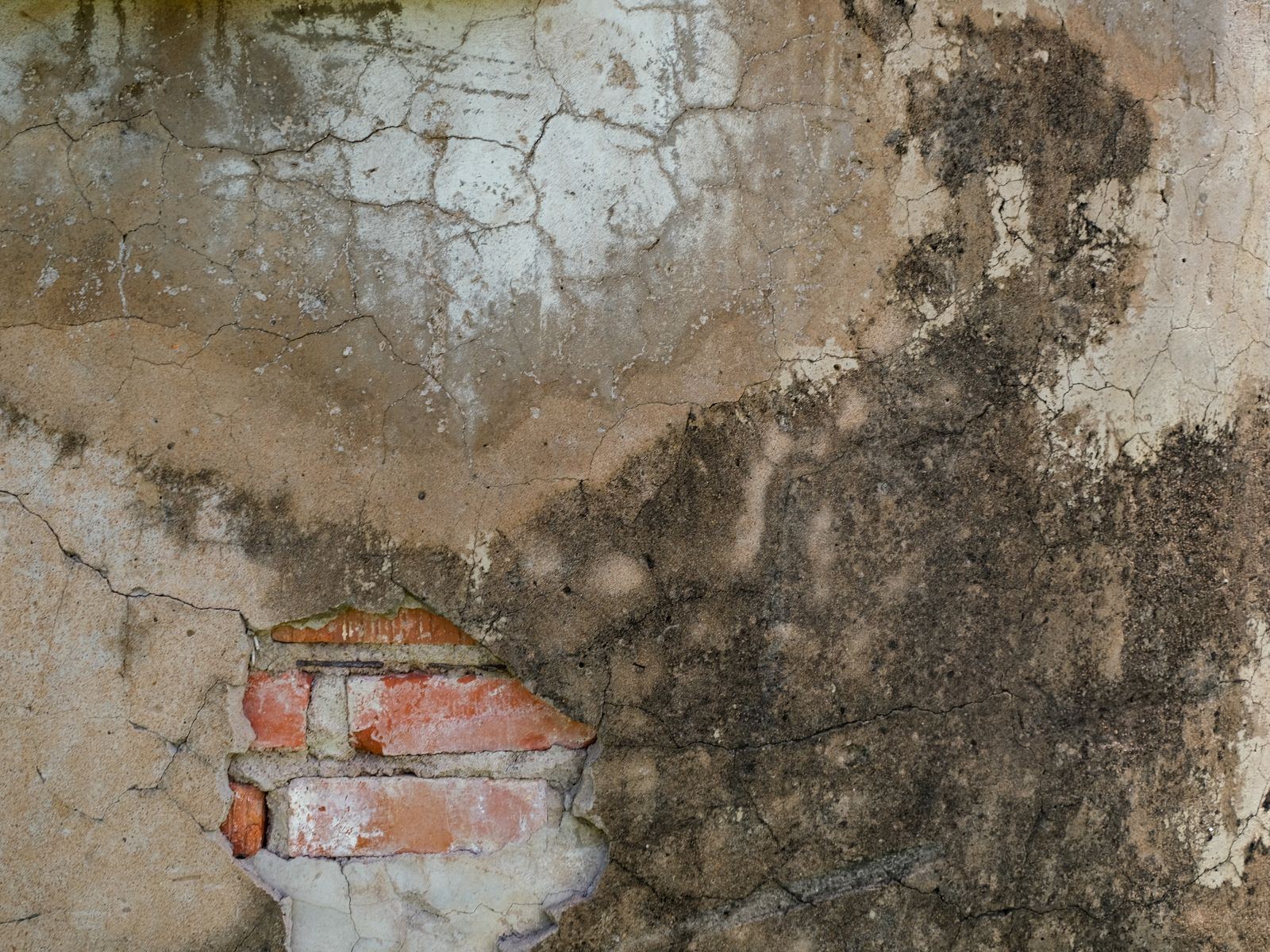
Mortar joints separate in a staircase pattern. This often indicates differential movement in the foundations below that section of wall.
- 2
Wider at the top
A vertical crack that tapers suggests one side of the wall is rotating downwards while the other remains stable.

- 3
Visible inside and outside
A line passing through the full wall thickness points to structural movement rather than surface plaster shrinkage.

- 4
Sticking doors or windows
Frames distort when walls move. Doors that jam or windows that refuse to latch often sit near the source of the problem.
- 5
Gaps at extension joins
Where an extension meets the original house, separation gaps widen if the newer section settles faster than the older one.
Questions homeowners in Ealing ask
-
These are the exact questions callers raise when they first notice movement in their home.
- Measuring a crack at home
- Use a ruler or feeler gauges. Mark the ends with a pencil and date it, then check weekly for changes.
- Reporting to your insurer
- Notify them promptly. If the cause is not subsidence, the claim closes without penalty under most policies.
- Summer cracks closing in winter
- Seasonal opening usually means thermal movement or minor clay shrinkage, not progressive foundation failure.
- Cracks above bay windows
- Often caused by rusting lintels or independent bay foundations dropping, rather than whole-house subsidence.
- Settlement or subsidence
- Settlement happens once early on. Subsidence continues as the ground loses support beneath the foundations.
- Photographs to take first
- Capture every crack with a ruler beside it, note the date, and photograph both the inside and outside faces.
Find out what the crack in your home means
Send the details of what you have noticed. A specialist will review the description and tell you whether your home needs a survey, with no obligation to proceed further.
- No cost to ask
- No obligation
- Local specialists